Arnona on a Vacant Apartment: Do Owners Pay in Israel?
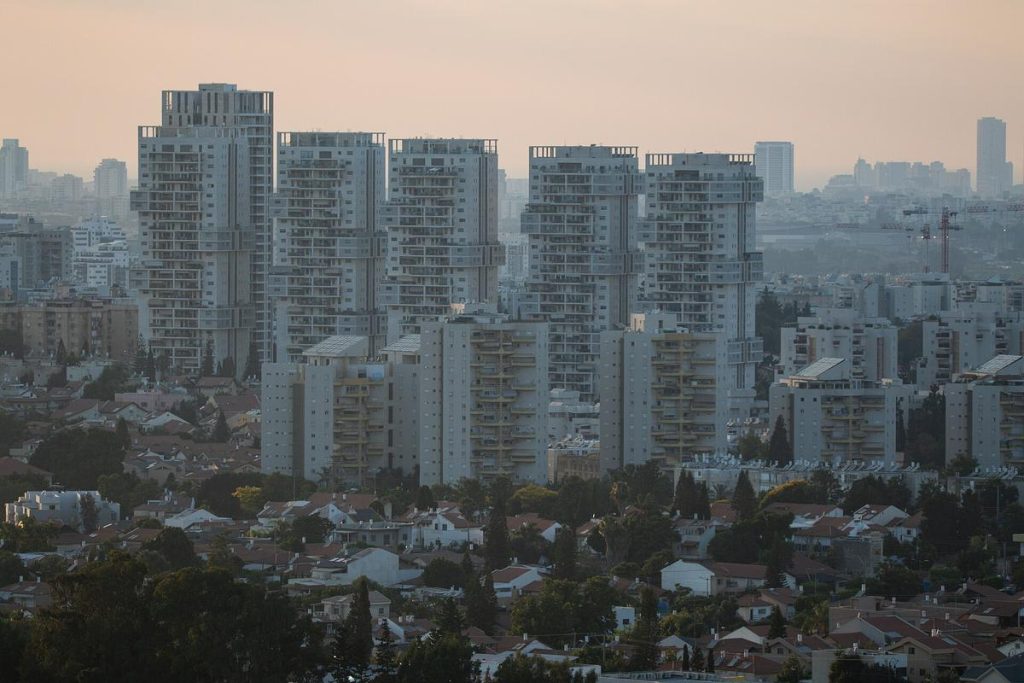
In Israel, the arnona is an occupancy tax, not a property tax. If your apartment is vacant, you typically do not owe any arnona. The city stops billing as soon as it is informed that there is no occupant. Your only duty is to officially report this vacancy to avoid incorrect bills and future disputes during a potential sale.
The nature of the arnona: a tax on occupancy
Many owners expect to pay a property tax as long as the property is in their name. This is a mistake. In Israel, the arnona is owed by the actual occupant of the residence, not by the owner of the tabou. The municipality bills the person living in the apartment. If no one lives there, the basis for the tax disappears.
This distinction is crucial. In the United States, property taxes remain due by the owner even if the home is empty. In Netanya or Tel Aviv, the logic is different. The fact that your name appears on the land registry is not enough to trigger billing. It is the act of inhabiting the space that creates the tax obligation.
The main risk for you, as an absent owner, is believing you must continue paying to be safe. However, paying a tax you do not owe is not protection; it is a loss of money. Furthermore, it can create confusion in municipal records, suggesting that you are the occupant. If you rent the property, the tenant must pay. If you are preparing to sell, the arnona should be zero during the vacancy period.
The city determines tax status based on declarations and water or electricity consumption records. If the meter is disconnected or inactive, the city may infer vacancy. However, it does not always have access to this data in real time. It is not your job to prove vacancy through lack of consumption; it is your job to formally declare that the property is empty. This declaration is the act that stops the billing.
The procedure for declaring vacancy
To stop paying the arnona, you must notify the city. There is no single national form; each municipality has its own channels. In Netanya, you can complete this process via the city’s online portal or in writing.
The standard procedure follows three steps. First, you contact the city’s tax department. Next, you provide proof of vacancy. Finally, you request the cessation of billing in your name or that of the former tenant.
Accepted documents vary. A vacancy certificate signed by the building manager is often sufficient. If the property is rented, the termination of the lease is the key document. If you are selling the property, the deed of sale or the purchase agreement can serve as proof. In some cases, the city may require an on-site inspection to confirm that furniture has been removed and meters are disconnected.
Processing time is not immediate. The city updates its databases with a delay. You will not see the arnona removed from the bill for the month of the declaration, but from the following month or the one after that. It is essential to check the next bill. If the arnona still appears, contact the city immediately with a case reference.
Forgetting this step is the most costly mistake. If you leave Israel without reporting the vacancy, the city will continue to bill the arnona. It will send the bills to the last known occupant’s address. If that tenant has moved, the bill will go unpaid. This debt accumulates with penalties. Worse, if you resell the apartment, the buyer or their attorney will check the tax history. Unpaid arnona, even if owed by a former tenant, can block the transfer at the tabou if it is attached to the property.
The trap of a tenant who leaves without notice
The most common scenario is a tenant’s abrupt departure. They leave the apartment, take their keys, and notify neither you nor the city. You are abroad and do not know. The city, however, continues to see the address as occupied. It sends arnona bills to the tenant’s address. Since they have moved, they do not pay. The debt accumulates.
You discover the situation months later, often when trying to re-rent or sell. The building manager informs you that common charges are up to date, but the city demands the unpaid arnona for the vacancy period. Here, the nuance is important. The arnona is an occupancy tax. The tenant is the primary debtor. However, the city may sometimes try to recover the tax from the owner if it believes you failed to update its records.
To contest this, you must prove vacancy. A simple certificate from the building manager stating “the apartment is empty” is a good start. If the city rejects it, you can have the vacancy certified by a professional. A bailiff or certified inspector can draft a report of absence of occupants. This document has strong evidentiary value.
Be careful with the shtar ‘hov. This promissory note, signed by the tenant and their guarantor, covers the rent. It does not cover the arnona. If the tenant signed a shtar ‘hov for the rent, this does not protect you from the municipal tax. The arnona is a legal obligation tied to occupancy, not a contractual debt between you and the tenant. You must therefore act with the city, not just with the tenant.
If the debt is already established, negotiate. Show the tenant’s departure date, the disconnection of meters, and the lack of consumption. The city may grant a reduction on penalties if you prove that the vacancy was effective and that you did not benefit from the occupancy. Do not let this debt linger. It will follow the apartment.
Common charges: what remains due
If the arnona disappears with occupancy, the common charges, called vaad bayit, remain due by the owner. This is a major distinction that many confuse. The vaad bayit funds the maintenance of common areas: the elevator, the pool, the stairwells, security, and sometimes the maintenance of the collective doud shemesh.
These charges are calculated based on the square footage of the apartment, not on occupancy. Whether the apartment is occupied or vacant, you must pay your share. The building manager bills the owner. If you do not pay, the manager can initiate legal proceedings. In some buildings, the manager can cut off access to common areas or suspend certain services, such as pool use or garden maintenance, if charges are unpaid.
For an owner residing in the United States, managing these charges is critical. It is recommended to set up automatic payments or entrust the management to a professional. We manage the payment of vaad bayit as part of our property management. This avoids late penalties and interest, which accumulate quickly.
Also check the composition of the charges. Some buildings include common area insurance in the vaad bayit. Others do not. If insurance is not included, you must purchase a separate policy for your apartment. Do not assume the manager covers everything. Read the building bylaws.
The risk of water or electricity disconnection for common areas is real if charges are unpaid. This can affect your property, even if it is vacant. An unrepaired elevator breakdown can damage the building’s image and complicate the resale. Paying the vaad bayit on time is a duty of good maintenance of the property, independent of the arnona.
The impact on insurance and maintenance
A vacant apartment is not an apartment on standby. It must be maintained. Home insurance in Israel often covers damage caused by leaks or fires. But most policies include a vacancy clause. If the apartment is vacant beyond a certain period, coverage may be reduced or suspended.
Check your insurance contract. Ask if a vacancy declaration is required. Some companies require that you have the property inspected periodically. An inspection by a professional, a bedek bayit, can serve as proof that the property is in good condition. This protects your insurance and your asset.
Common problems in a vacant apartment are water leaks and mold. A leak in the doud shemesh or plumbing can damage the ceilings of the apartment below. If you are in the United States, you will not know. The neighbor below will file a claim against you. Regular inspections help detect these problems before they become costly.
Hiring a professional for an inspection is a good practice. It is not a legal obligation, unlike certain inspections in the US, but it is an effective protection. The professional checks the condition of electrical, gas, and water systems, as well as the mamad (safe room). They ensure nothing is leaking and that systems are functioning.
If you sell the apartment, a history of regular maintenance is an asset. The buyer, or their attorney, may request an inspection report. Having up-to-date reports reassures the buyer and accelerates the transaction. Do not let the property deteriorate through neglect. The value of real estate in Netanya depends on the condition of the premises. A well-maintained property sells better and faster.
The case of short-term rentals and sales
If you rent your apartment for short-term stays, via platforms like Airbnb or Booking, the arnona situation changes. The tax is owed by the occupant, meaning the guest. However, the platform does not pay the arnona directly to the city. It is up to you, as the host, to ensure the tax is settled.
In practice, many short-term rental owners pay the arnona themselves, because short-term guests are not registered as permanent occupants with the city. The city may not be informed of guest rotations. If you do not pay the arnona, you risk fines. Check the terms of your platform and the local city’s policy.
During the sale period, the arnona should be zero. Between the signing of the deed of sale and the transfer at the tabou, the apartment is vacant. The arnona should not be billed. If a bill arrives, contest it immediately. The buyer assumes the arnona charge from the date of property transfer, not before.
If you have an inheritance, the situation is different. If the owner has passed away, the arnona continues to be due until the estate is settled. See our article Who pays the arnona for an apartment whose owner has died in Israel? for details on the yerusha.
During the sale, the buyer will check the tax history. Unpaid arnona can block the sale. Ensure all payments are up to date before signing. If you have doubts about who should pay the arnona during the transition period, consult our guide on Who should manage access for viewings of a vacant apartment in Israel. Managing the arnona is part of sale preparation.
Summary table of obligations
| Item | Occupied Apartment | Vacant Apartment | Responsible Party |
|---|---|---|---|
| Arnona | Due | Not due (must be reported) | Occupant (or owner if not declared) |
| Vaad bayit | Due | Due | Owner |
| Home Insurance | Covered | Subject to vacancy clause | Owner |
| Maintenance (bedek bayit) | Recommended | Essential | Owner |
| Meters (water/electric) | In service | Disconnected or inactive | Owner |
Common mistakes to avoid
The first mistake is not declaring the vacancy. Many owners think the city will know on its own. This is not the case. The city has no direct link to the tenant’s departure. Without a declaration, billing continues.
The second mistake is confusing arnona and vaad bayit. Stopping payment of the arnona is correct. Stopping payment of common charges is a mistake. The vaad bayit remains due. Do not neglect them.
The third mistake is neglecting insurance. Thinking that the property is vacant and therefore risk-free is false. Leaks and fires do not distinguish between occupied and vacant properties. Invalid insurance can leave you alone to face a claim.
The fourth mistake is not checking bills. If you are in the United States, you do not see the mail. Use the city’s online portal or entrust management to a professional. Check each bill to ensure the arnona is not listed.
Finally, do not let an arnona debt accumulate. Even if it is owed by a former tenant, it can weigh on the value of your property. A tax debt is difficult to erase. Act early. Prevention costs less than resolution.
If your apartment is vacant, report the vacancy to the city immediately. Verify that the arnona no longer appears on the next bill. Continue paying the vaad bayit and maintain valid insurance. A periodic inspection by a professional protects your property and your insurance. Do not let tax debts accumulate: they follow the property, not the tenant.

Gestion locative en Israël pour propriétaires francophones. Bureaux à Netanya, 26 Dizengoff. Une question sur votre bien ? Écrivez-nous.