Buying in Israel Without Making Aliyah: A Guide to Property Management
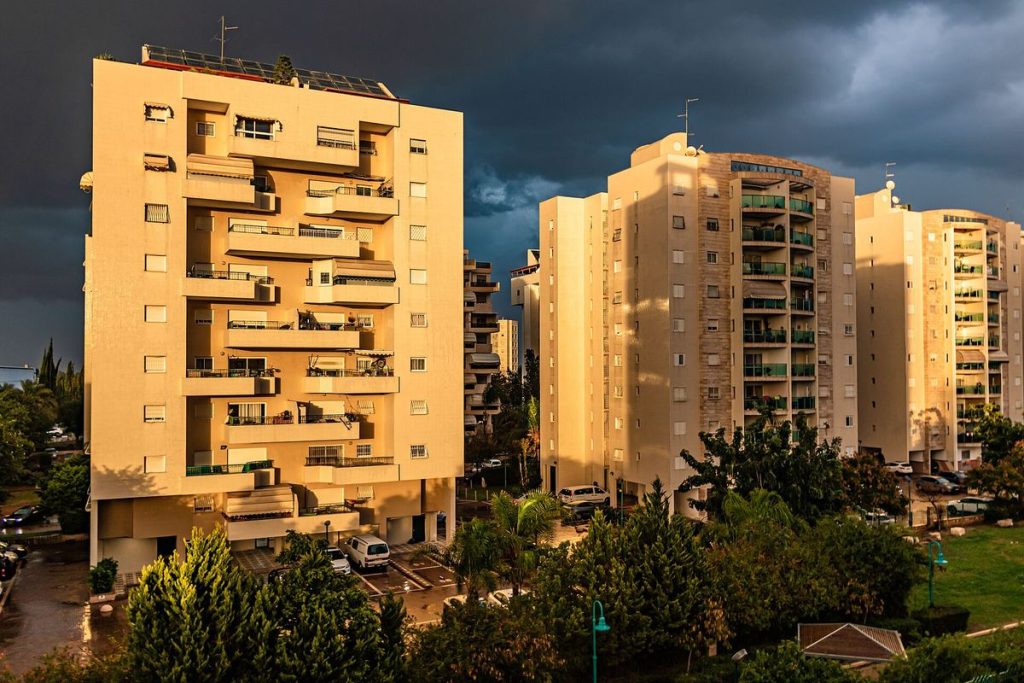
Buying real estate in Israel without making aliyah is legally possible but imposes specific administrative constraints. You must act through proxies for the signing of deeds and the management of your tax identity with the reshut ha-misim. The absence of teoudat zeout affects how you open bank accounts and manage local obligations such as arnona.
The absence of teoudat zeout and tax identity management
The first obstacle for a non-resident is the lack of teoudat zeout. Without this Israeli identity number, opening a local bank account is complex. Israeli banks often require a physical presence or strict identity verification procedures for non-residents. You will need to present your foreign passport for all official procedures. This does not replace Israeli identity, but serves as the identification basis for occasional transactions.
Regarding taxes, you must distinguish your tax residency in your home country from your status with the reshut ha-misim. Even if you do not live in Israel, owning real estate generates reporting obligations. You must declare rental income and pay mas hachnasa on collected rents. The method for determining this tax amount depends on the tax treaty between your home country and Israel to avoid double taxation. We verify that your declarations comply with reshut ha-misim requirements to avoid any adjustments.
- The inability to obtain an Israeli identity number limits access to standard banking services without specific assistance.
- The distinction between your home country tax residency and registration with the reshut ha-misim is crucial for income management.
- Using a passport is the standard for identification during the signing of the sale deed.
- Managing mas hachnasa declarations for a non-resident requires coordination between your local and Israeli tax advisors.
Acquiring property via the tabou without a physical presence
To buy or sell in Israel without traveling, you must use a power of attorney, called Po’a. This document must be drafted precisely to cover all acts: signing the sales contract, paying taxes, and registration in the registry. If you sign this document abroad, you must have it notarized and then legalized by Israeli consular authorities so that it is enforceable in Israel.
Before any transaction, we proceed with a title search on the tabou. This land registry is the only authoritative source to confirm that the seller is the legitimate owner and that the property is free of any mortgage or lien. The sales deed signed before a lawyer is a contractual step, but ownership is only legally acquired once registration is completed at the tabou. The delay between signing and effective registration may vary depending on the administration.
| Acquisition Step | Proxy / Lawyer Action | tabou Verification |
|---|---|---|
| Contract Signing | Verification of seller identity | Check property availability |
| Balance Payment | Management of lawyer accounts | Verification of absence of mortgage |
| Transfer of Ownership | Filing the file with the registry | Confirmation of final registration |
Technical verification via bedek bayit from a distance
Buying a property from a distance does not waive the need for a rigorous inspection. We recommend hiring a professional for a bedek bayit. This is not a legal requirement, but a protective measure for the owner. The inspector examines the structure, electricity, and plumbing. For a non-resident owner, the inspector acts as your eyes on the ground. They provide a detailed report that can serve as a basis to negotiate a price reduction or demand repairs before the final signing.
Certain elements are specific to the Israeli context. The inspector must check the operation of the doud shemesh (solar water heater), which is an energy consumption standard. They must also check the compliance of the mamad, the secure room, ensuring the door seals and the strength of the walls. If the apartment is located in a building with an active vaad bayit, the inspector also checks the condition of common areas and the absence of ongoing disputes regarding the building. This is part of the process for Buying to rent in Israel.
- Appoint a professional for a complete bedek bayit.
- Specifically check the doud shemesh and mazgan installations.
- Verify the technical compliance of the mamad.
- Examine vaad bayit meeting minutes to identify any planned building works.
- Use the inspector’s findings to adjust the purchase price.
Managing financial flows and paying arnona
Once you are an owner, you must manage your expenses without being on-site. The municipal tax, arnona, is due to the city hall (for example, Netanya). To avoid late penalties, we recommend setting up an automatic withdrawal or using a local bank account dedicated to managing the apartment. Direct international transfers to municipalities are often complex and prone to errors.
Homeowner association fees, the vaad bayit, must also be paid monthly. These fees cover elevator maintenance, cleaning of stairwells, and lighting of common areas. Without access to local payment platforms, monitoring water and electricity bills becomes a point of vigilance. Failure to pay arnona can lead to liens on the property, even if you reside abroad. We monitor these bills to ensure the building remains in good standing.
Securing the lease: shtar ’hov and local guarantees
Renting out a property purchased from a distance requires solid guarantees. In Israel, the standard practice is to have a shtar ’hov signed. This is a promissory note, a debt recognition signed by the tenant and their arev (the guarantor). This document allows for claims in case of damage or non-payment. Note: the shtar ’hov is not insurance against non-payment; it is a debt instrument.
The lease agreement must include a rent indexation clause based on the Israeli cost-of-living index. This helps protect your yield against local inflation. Verifying the solvency of the arev is a critical step. Since you cannot travel to verify pay stubs or bank statements, we proceed with verifying the guarantor’s identity documents and proof of income. The distinction between Buying new in Israel or old is important here, as equipment and tenant expectations differ, influencing the choice of tenant profile.
Exit taxation: calculating mas shevach
When reselling your property, you will be subject to mas shevach, the real estate capital gains tax. The calculation of this tax depends on the holding period and the nature of the property. The distinction between holding in your own name and holding via a legal structure can change the tax base. It is imperative to keep all receipts for expenses related to the acquisition and improvements of the property, as they can be deducted from the capital gain.
Even as a foreign resident, you are obligated to declare the transaction to the reshut ha-misim. The Israeli lawyer plays a decisive role in closing this tax file. They ensure the tax is correctly calculated and that the payment certificate is obtained, which is a mandatory condition to release the sale funds. An error in declaring the initial acquisition price can lead to excessive taxation upon exit.
Anticipating inheritance: tzava’a and tsav yerusha
Owning property in Israel without residing there requires anticipating transfer. A tzava’a (will) written abroad may not be perfectly adapted to Israeli procedures. We advise drafting a tzava’a specifically for your assets located in Israel. This greatly facilitates the subsequent procedure for your heirs.
In the event of death, your beneficiaries must obtain a tsav yerusha, a succession order issued by the family court. Without this document, it is impossible to transfer property titles at the tabou. Managing co-ownership among heirs living abroad is a frequent source of legal blockages. If heirs do not agree on the sale or rental of the property, management becomes complex. Anticipating the transfer ensures that property titles pass smoothly from the deceased to the heirs in the land registry.
Once the sale deed is signed, daily management begins: receiving keys, providing access codes, and managing technical emergencies like a water leak on a Friday night or a mazgan breakdown. A non-resident owner cannot manage these unforeseen events reactively. We handle these interventions and the relationship with tenants through our property management services.

Gestion locative en Israël pour propriétaires francophones. Bureaux à Netanya, 26 Dizengoff. Une question sur votre bien ? Écrivez-nous.