Buying Real Estate in Israel from Abroad: Key Steps
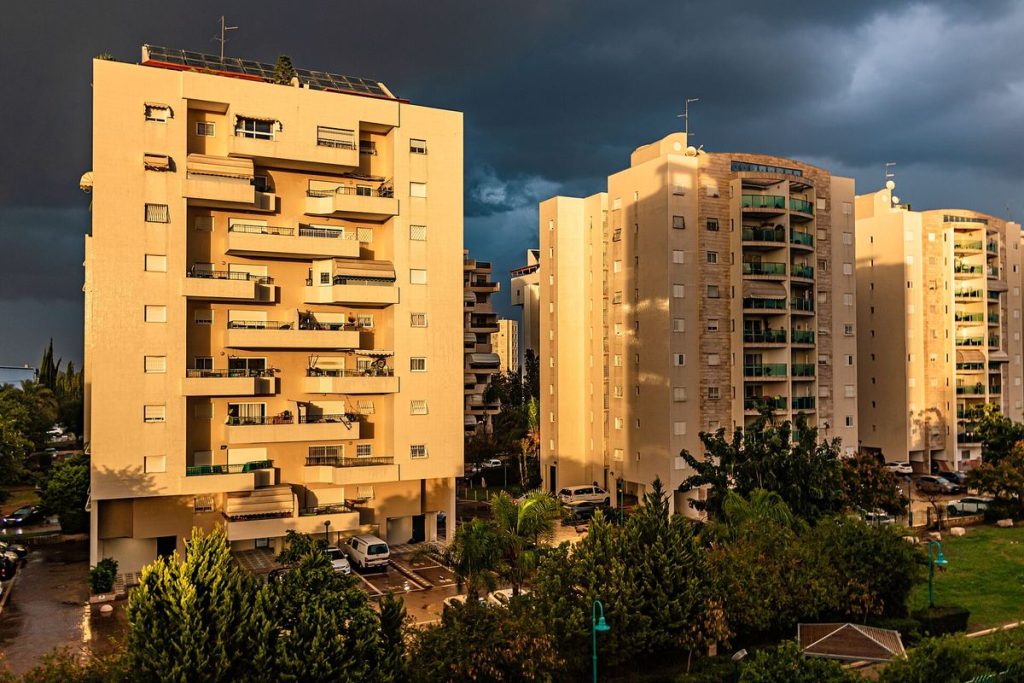
Purchasing real estate in Israel from abroad requires a rigorous procedure to secure your investment. You must first verify the property at the tabou, organize a technical inspection by a professional, and manage tax aspects with the reshut ha-misim. The signing of the deed is often handled via a notarized power of attorney to avoid the need for constant travel.
Verifying property at the tabou and securing the title
Before committing funds, verifying the civil and legal status of the property is the first step. We extract the property excerpt from the land registry, the tabou, to confirm the exact identity of the seller. This process ensures that the person signing the deed truly holds the rights to the property and is not involved in a property dispute.
Examining this excerpt allows us to detect the existence of mortgages, liens, or seizures that could encumber the apartment. A buyer must distinguish between full ownership and usage or lease rights, which do not confer the same prerogatives. Unlike some systems where registries may be less centralized, the tabou is the sole source of legal truth in Israel.
We also verify the consistency between the physical reality of the apartment and the plans filed with the municipality. An owner may have expanded a terrace or modified a wall without authorization, creating a risk of non-compliance. We verify the validity of building permits to ensure you do not purchase a property whose surfaces are not legally recognized.
- Extraction of the property excerpt to confirm the seller’s identity and the absence of liens or mortgages.
- Control of property rights: distinction between full ownership and usage or lease rights.
- Verification of the consistency between the actual state of the property and the plans filed with the municipality.
Professional technical inspection and the bedek bayit
Purchasing an apartment in Israel does not include a legal obligation to provide energy performance or safety contrôles. To protect your investment, you should organize a bedek bayit, which is a building inspection by a professional. This expert examines the structural condition, the waterproofing of terraces, and the compliance of electrical installations.
The inspection must cover critical points specific to the climate and Israeli standards. We check the operation of the doud shemesh, the solar water heater, which is standard equipment but requires crucial maintenance. The condition of the mazgan, the air conditioner, is also checked to ensure no costly replacement is needed immediately after purchase.
A major point of vigilance concerns the secure room, the mamad. This space must meet strict construction standards to ensure occupant protection. The inspector verifies the sealing of the armored doors and windows. The technical report from this bedek bayit serves as a basis for negotiating the price or inserting contingency clauses into the sales contract. This allows you to buy or sell in Israel with a clear view of the actual state of the asset.
- Organization of a visit with an expert to examine the structural condition, terrace waterproofing, and electrical installation.
- Specific control of essential equipment: operation of the doud shemesh and air conditioning (mazgan).
- Verification of the compliance and sealing of the secure room (mamad).
- Drafting of a technical report to serve as a basis for negotiation or a contingency clause.
Management of financial flows and obligations to the reshut ha-misim
The tax aspect is complex for an overseas buyer. The first step involves calculating the amount of capital gains tax, the mas shevach, due by the seller, as this impacts the transaction. You should also consult the rules regarding Real Estate Purchase Tax in Israel to understand your own obligations during the acquisition.
The reshut ha-misim, the Israeli tax authority, requires total transparency regarding the origin of funds. For non-residents, the declaration of future rental income must be anticipated. The application of income tax (mas hachnasa) depends on your tax residency status, a point that requires a precise analysis of your personal situation.
International fund transfers are subject to strict exchange regulations. To avoid funds being blocked, we advise preparing documentation regarding the source of capital well before signing. Israeli banks are extremely vigilant regarding the compliance of transfers from abroad, which can delay the closing of the sale if documents are not ready.
- Calculation of capital gains tax (mas shevach) and verification of potential exemptions for a primary residence.
- Declaration of rental income and application of income tax (mas hachnasa) for non-residents.
- International fund transfer mechanisms and compliance with exchange regulations.
Signing the deed and managing powers of attorney remotely
For owners living outside of Israel, physical presence at every stage is often impossible. The solution relies on drafting a notarized power of attorney. This document must be drafted to meet the precise requirements of Israeli lawyers to allow a third party to act on your behalf. We refer you to our guide on Real Estate Sale Power of Attorney in Israel to understand the details of validity.
A power of attorney signed abroad is not sufficient. It must undergo an apostille process to be recognized by Israeli authorities. Without this formality, the lawyer will not be able to present the document to the notary or the court. We verify the compliance of these documents before they are sent to Israel to avoid any administrative rejection.
The transaction concludes with coordination between the seller’s lawyer and the buyer’s lawyer. The transfer of funds must be secured, generally through an escrow account managed by the lawyer. This guarantees that the money is only paid to the seller once the transfer of ownership is officially recorded and the sale conditions are met.
Allocation of charges and local taxes after acquisition
Once the deed is signed, responsibility for charges changes hands. As the new owner, you become liable for municipal taxes and building management fees. It is necessary to precisely identify each expense item to integrate these costs into your yield calculations.
| Type of charge | Buyer responsibility | Israeli details and specifics |
|---|---|---|
| arnona | Owner | Municipal tax based on the surface area and use of the property. |
| vaad bayit | Owner | Condominium fees for the maintenance of common areas. |
| Technical maintenance | Owner | Maintenance of fixed equipment (water heater, air conditioning). |
Opening the tax account for the arnona with the municipality is a mandatory administrative step. This tax is calculated based on the geographic zone and the surface area. Simultaneously, integration into the condominium regulations for the payment of the vaad bayit is essential. The latter covers elevator maintenance, hallway cleanliness, and lighting of common areas.
Technical maintenance of fixed equipment is also the responsibility of the owner. If you rent the property, the maintenance of the mazgan or the doud shemesh is your responsibility, unless a structural failure is identified. It is prudent to set aside a reserve fund for these technical interventions, which cannot always wait for a decision from you if you are abroad.
Special case of acquisition through inheritance: yerusha and tsav yerusha
Purchasing a property resulting from an inheritance presents additional legal complexities. The process begins with obtaining the inheritance order, the tsav yerusha, issued by the family court. This document is indispensable to prove who legally holds the rights to the property before any sale.
We verify the identity of all heirs via their teoudat zeout or their passport. In the case of a yerusha, the sale often requires the joint signature of all heirs. If a single heir contests or refuses to sign, the transaction can be blocked. The role of the will, the tzava’a, is decisive here in identifying direct beneficiaries and avoiding later legal challenges.
When a property is acquired in this context, verifying the chain of ownership is even more extensive. It must be ensured that the tsav yerusha has been correctly registered at the tabou. Without this registration, the seller cannot legally transfer ownership. We assist buyers in analyzing these documents to guarantee that the title of ownership will be unassailable.
Once the acquisition is complete, the daily management of the property becomes an operational reality. Receiving keys, setting up utility contracts, finding a tenant, and managing technical emergencies (such as a pipe leak on a Friday evening) require a local presence. For owners residing abroad, delegating these tasks to our property management services allows these issues to be handled without needing to intervene physically.
We verify the absence of land disputes by systematically extracting the complete history of the property from the land registry before any signature.

Gestion locative en Israël pour propriétaires francophones. Bureaux à Netanya, 26 Dizengoff. Une question sur votre bien ? Écrivez-nous.