Common Area Repairs in Israel: Owner Responsibilities
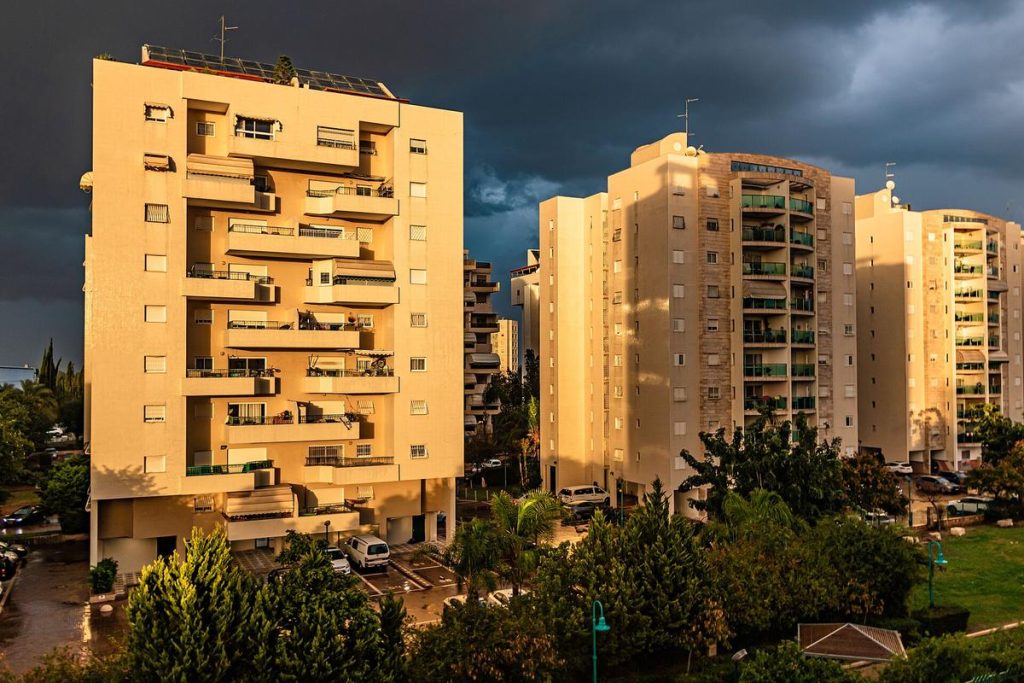
The owner is legally responsible for building charges to the vaad bayit, but they can claim reimbursement for damages caused by the tenant. In the event of damage to common areas, recovering funds relies on using the shtar ’hov or holding the arev accountable. The distinction between normal wear and tear and direct tenant fault determines who bears the final cost of the repair.
Owner responsibility toward the vaad bayit
The vaad bayit manages routine maintenance and the management of the building’s common areas. As an owner, you receive invoices related to the operation of the property. We distinguish between two types of expenses: operating costs, such as hallway electricity or cleaning, and structural repairs, such as roof waterproofing or facade renovation. Operating costs are due by the tenant according to the lease terms, but structural repairs are the responsibility of the owner.
The building committee’s collection mechanism is direct. If charges are not paid, the vaad bayit can initiate collection proceedings against the owner, as the owner is the party contractually bound to the property association. For damage to common areas, the committee issues a repair invoice. If this damage results from the tenant’s actions, the owner must first pay the amount to maintain the building’s condition, then begin a reimbursement process with the tenant.
Management varies depending on the type of property in Netanya. In an older building, the vaad bayit may consist of volunteers with limited resources, making the claim process sometimes informal. In a luxury residence with services, management is often entrusted to a professional company. The procedures for documenting damage are more rigorous there, and repair invoices are issued more systematically as soon as an incident is reported.
Identifying the cause of damage: normal use or tenant fault
Determining responsibility depends on the nature of the incident. Natural wear and tear of common equipment, such as the aging of elevator components or the fading of paint in the lobby, is the owner’s responsibility. These costs are integrated into the building’s charges. To contest a bill from the vaad bayit, you must prove that the damage does not result from abnormal use. The initial move-in inspection is the essential comparison tool to demonstrate that the equipment was functional and in good condition before the tenant moved in.
Proof of negligence or abnormal use can take several forms. We recommend requesting surveillance footage from the building if it is equipped with cameras. These recordings constitute material evidence of the tenant’s or their guests’ involvement. Testimonies from neighbors or building staff can also support a reimbursement request. Without proof of causality, a tenant may legally refuse to pay for damage to common areas.
If there is doubt regarding the nature of the incident, hiring a professional for a technical inspection allows one to distinguish a mechanical failure from a blockage caused by an object. This expertise helps define whether the cost should be charged to the building budget or billed to the tenant. This step is crucial before initiating any collection procedure via the shtar ’hov.
Using the shtar ’hov and the guarantor for reimbursement
The shtar ’hov is a fundamental legal instrument in Israel. Unlike a traditional security deposit, this promissory note is a debt recognition signed by the tenant and their arev. It is not a sum of money paid in advance, but a document that allows for claiming owed amounts after damage is identified. If the tenant damages the entrance hall or breaks a common door, the owner can use this document to demand payment for repairs.
In case of tenant default, a claim against the arev is possible if they signed the shtar ’hov as a guarantor. The arev is liable to cover the costs of restoration. It is important to note the distinction between a security deposit (often a blocked amount) and the shtar ’hov: the former is limited by its amount, while the latter allows for the pursuit of a real debt, even if it exceeds the initial deposit.
Legal limits on seizing funds exist. One cannot take the law into their own hands by arbitrarily withdrawing sums. The amount claimed must strictly correspond to the repair invoices issued by the vaad bayit or a professional. For damage to common areas, proof of the tenant’s involvement is a mandatory prerequisite for any use of the shtar ’hov in court.
Managing disputes with building administration
When a repair invoice is sent by the building committee, the owner must conduct a rigorous analysis. We verify that the invoice matches the reported incident. It is useful to compare repair quotes with local rates to avoid overcharging. If the vaad bayit requests a disproportionate sum to repair a wall or floor, you have the option to request a second quote from another contractor to compare costs.
The procedure for contesting an unjustified repair charge with the committee is possible if you can demonstrate that the damage is due to a construction defect or normal wear and tear. In such cases, the charge should be covered by the building’s reserve fund and not by the owner of the specific apartment. This type of dispute often requires a professional to certify the condition to support the contestation.
A frequent case involves damage caused by third-party providers, such as delivery people or movers. If a mover damages the elevator or the lobby walls, the responsibility lies with the moving company. The owner must then turn to the company’s insurance or ask the vaad bayit to assert the third party’s liability. This requires immediate reactivity to identify the provider before the moving job is completed.
Cost allocation: who pays what during a common incident?
| Type of damage | Initial financial responsible party | Recovery method |
|---|---|---|
| Elevator blocked by an object | The owner (via the vaad) | The tenant (via the shtar ‘hov) |
| Crack in the hall (structural) | The owner | None (normal wear) |
| Vandalism in the trash room | The owner (via the vaad) | The tenant (via the arev) |
| Leak in a main riser | The owner | None (building maintenance) |
| Broken light fixture by a tenant | The owner (via the vaad) | The tenant (via the shtar ‘hov) |
The impact of damage on taxation and arnona
There is no direct link between common area repairs and the calculation of arnona. Municipal tax is calculated based on the value of the building and its surface area, regardless of the condition of common areas or repairs performed. Temporary damage to the entrance hall will not change your municipal taxation.
However, the costs of restoring common areas may impact mas hachnasa. If you rent out a property and must incur costs to repair damage caused by a tenant, these expenses may, under certain conditions, be deducted from your taxable rental income. We advise keeping every invoice and proof of payment to justify these charges to the reshut ha-misim. The distinction between an emergency repair (essential to maintain use) and a building improvement (which increases asset value) is decisive for the tax treatment of these amounts.
Finally, regular maintenance of common areas influences your property value. A building with degraded common areas suffers a discount during a sale. When you decide to buy or sell in Israel, the state of the vaad bayit and the quality of the common areas will be elements scrutinized by potential buyers.
Building inspection (bedek bayit) to prevent conflicts
To limit disputes, organizing an inspection of the common areas is an effective preventive practice. Although a bedek bayit is not a legal obligation for a rental, having a professional certify the condition of common access points (stairs, ramps, parking, mamad) before the tenant moves in allows for the establishment of a baseline. This prevents the tenant from claiming that a crack or stain already existed before their arrival.
Photographic documentation of sensitive areas is essential. We recommend taking dated photos of high-traffic areas, halls, and common storage spaces. These photos serve as evidence in case of a claim from the vaad bayit. It is also useful to integrate building rules, such as moving hours or the use of common spaces, directly into the lease agreement so that the tenant cannot claim ignorance.
In the event of a major incident, such as a significant water leak, consult our guide on Emergency and apartment repair in Israel. To understand management differences depending on the locality, you can also read our article on Repair and rental work in Ashkelon: key rules.
Signing the property deed is one step, but daily management is another challenge. Once you own your property, the question of operational management arises: who receives the keys? Who searches for the tenant? Who responds to a call for a pipe that bursts on a Friday night or a Saturday on Shabbat? The distance between the United States and Netanya makes direct management complex. To delegate these responsibilities and ensure rigorous follow-up of repairs and relations with the vaad bayit, you can use our property management services.
Before signing any lease, systematically verify that the shtar ’hov is signed by the tenant AND their arev. Without the guarantor’s signature, recovering common area repair costs becomes a long and uncertain process.

Gestion locative en Israël pour propriétaires francophones. Bureaux à Netanya, 26 Dizengoff. Une question sur votre bien ? Écrivez-nous.