Condominium Fees in Israel: Management and Allocation in Ashdod
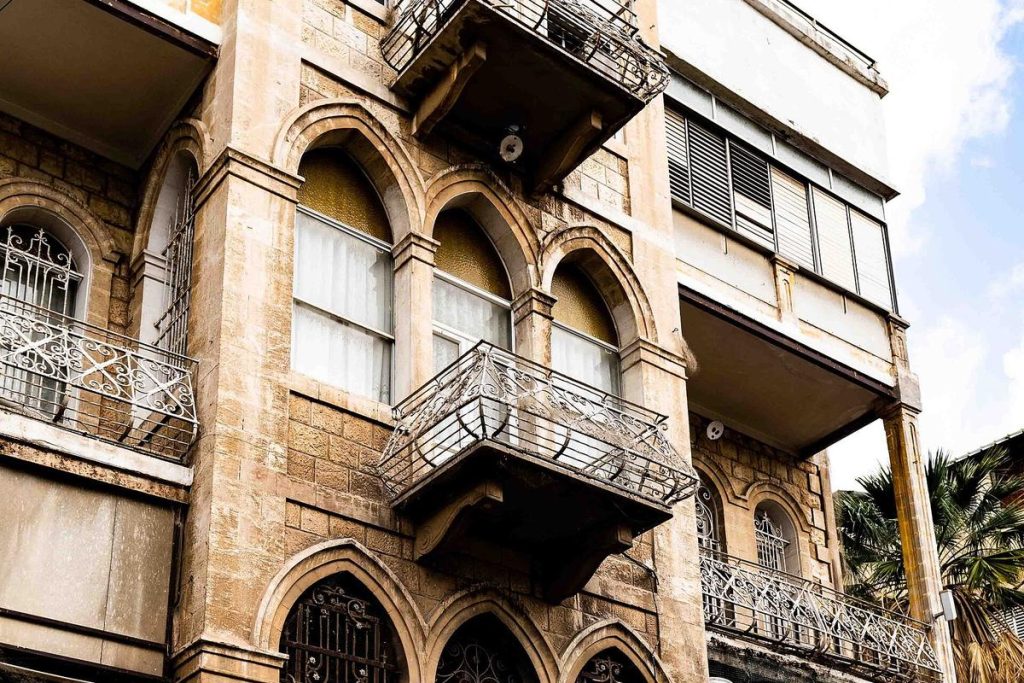
The allocation of building fees in Ashdod is based on the distinction between structural costs for the building and usage fees related to occupancy. The owner assumes costs related to the building’s longevity, while the tenant pays for daily operating expenses and consumption. This distribution does not stem from a rigid legal framework of recoverable charges, but rather from the precise wording of your lease agreement.
The vaad bayit and the distinction between common charges and private usage
The vaad bayit refers to the building committee or the management body responsible for maintaining common areas. In Ashdod, as in the rest of the country, this committee collects the funds necessary to ensure the residence functions properly. These funds are used to pay for cleaning stairs, hallway lighting, garden maintenance, or elevator upkeep. We advise checking with the building manager to see if the vaad bayit is managed by a professional or by a committee of volunteer residents, as responsiveness in the event of a breakdown differs depending on this model.
Fee management is divided into two categories. On one hand, structural fees concern the entire property (sump pumps, roofing, security). On the other, usage fees depend on the tenant’s presence. Unlike systems in other countries where the law strictly defines what is recoverable, Israeli law allows for significant contractual freedom. If you wish to rent from abroad without facing disputes, you must explicitly state in the lease who pays the vaad bayit. It is common to see the tenant pay the monthly amount directly to the committee, but the owner remains ultimately responsible to the building.
To avoid surprises, we perform a verification of the fee amount with the building management before any rental begins. This allows these costs to be integrated into the calculation of the total rent or presented as a clear additional charge to the tenant.
Allocation of doud shemesh maintenance fees and collective installations
The water heating system in Israel relies primarily on the doud shemesh, the solar water heater. This device is a structural component of the apartment. In the event of a major breakdown, such as if the solar tank on the roof needs replacement or if the main piping is defective, the responsibility lies with the owner. We recommend having a professional verify the condition of the system before the tenant moves in to prevent them from claiming a reimbursement for pre-existing wear and tear.
The tenant, for their part, handles routine maintenance. This includes replacing small wear-and-tear parts or managing hot water consumption related to their daily usage. If the tenant notices a minor leak in a faucet or an internal installation, it is up to them to call a professional for the repair. This distinction is crucial for managing your property in Ashdod.
Collective installations of the building, such as sump pumps in newer buildings or underground parking lighting, fall exclusively under the vaad bayit. If a breakdown affects all residents, the owner should not intervene financially in a direct manner, as these fees are already covered by the building association fees. To learn more, consult our article on Building fees in Israel.
Arnona and municipal taxes: who pays what to the Ashdod municipality?
The arnona is the municipal residential tax collected by the Ashdod municipality. It is calculated based on the property’s surface area and location. The legal principle is simple: the owner is the primary taxpayer of the arnona to the municipality. Even if the apartment is vacant, the tax remains due by the title holder. In the event of vacancy, the owner assumes the entirety of this charge.
However, common practice in Israel is to transfer the responsibility of payment to the tenant via a specific clause in the lease agreement. In this case, the tenant pays the full arnona to the municipality or reimburses the owner upon presentation of the payment notice. It is imperative to specify in the contract whether the arnona amount is included in the rent or billed separately.
Failure to pay the arnona can have serious consequences. The municipality can initiate collection procedures which, over time, can affect the property title or block certain real estate transactions. For an owner residing abroad, we advise regularly verifying that the tenant is up to date with their payments to the Ashdod municipality to prevent debt from accumulating against your asset.
Managing consumption related to the mazgan and electricity
The mazgan (air conditioner) is an essential piece of equipment in Israel. Its management requires a clear distinction between the unit itself and the energy consumed. The owner is responsible for the proper functioning of the unit: if the compressor fails or if the regulation system is defective, replacement is at their expense. The tenant must ensure regular maintenance, particularly cleaning the filters, to avoid overconsumption or a breakdown due to negligence.
Electricity for individual equipment is directly linked to the tenant’s meter. For collective equipment, such as elevators or automatic parking gates, consumption is included in the vaad bayit. There is no separate electricity bill for these services, as they are funded by the building association fees.
Upon handing over the keys, we proceed to verify the individual electricity and water meters. We record the consumption readings to establish an accurate move-in report. This step prevents the tenant from being billed for consumption prior to their arrival, or the owner having to settle consumption made by the occupant. Rigorous meter management is the first line of defense against financial disputes.
Emergency repairs and common area maintenance: the role of the arev
When an incident occurs in the common areas (a leak in the lobby, a stuck elevator), the procedure is to immediately contact the vaad bayit to arrange for a professional intervention. If the repair is urgent and the committee is failing to act, the owner must intervene to preserve the condition of the building. The distinction between a structural repair and misuse is a primary source of conflict. If a tenant damages a common door, the repair is their responsibility. If the door degrades due to age, it is the owner’s responsibility to pay.
To ensure compliance with these obligations, we use the shtar ’hov. This promissory note is signed by the tenant and their arev (the guarantor) at the time of signing the lease. While the shtar ’hov is not insurance, it constitutes a powerful legal and financial pressure tool. In case of non-payment of building fees or damage caused to common areas, this document allows for the recovery of owed sums more effectively than a simple ordinary debt.
The role of the arev is decisive here. In the event of a dispute over repair costs, the guarantor is jointly liable for payment. We systematically verify the validity of the
| Nature of Expense | Owner Responsibility | Tenant Responsibility | Israel Reference |
|---|---|---|---|
| Stair cleaning | No (included in rent or paid by tenant) | Yes (via the vaad bayit) | vaad bayit |
| Elevator replacement | Yes (structural investment) | No | Building structure |
| Water leak repair in common areas | Yes (building management) | No | bedek bayit (assessment) |
| Hot water consumption (solar) | No (system maintenance) | Yes (daily usage) | doud shemesh |
Fee audit during lease signing
Before setting the rent amount in Ashdod, we perform an audit of the building’s fees. This involves requesting the most recent payment statements and accounts from the building management or the vaad bayit. This process allows us to anticipate increases related to the cost-of-living index, a common practice in Israel that directly impacts the amount of building association fees.
We also require that the lease agreement precisely mentions the method of calculating and paying fees. If the tenant must pay the vaad bayit in addition to the rent, the contract must specify the current amount and the possibility of revision. This avoids conflicting renegotiations during the lease term. For smooth management, particularly during apartment key management in Israel: handover tips, financial clarity is as important as the physical handover of access.
Finally, we advise requesting a copy of the latest arnona notices to verify that no debt is outstanding with the municipality. A complete audit during the rental process protects the owner against hidden liabilities and ensures a stable relationship with the tenant from the first month of occupancy.
Before signing any lease in Ashdod, always ask the building manager for a statement of the vaad bayit charges for the last twelve months. This allows you to distinguish fixed charges from index-related increases and avoid underestimating the real cost of occupancy for your tenant.

Gestion locative en Israël pour propriétaires francophones. Bureaux à Netanya, 26 Dizengoff. Une question sur votre bien ? Écrivez-nous.