Death of a Tenant in Israel: What to Do and What Steps to Take?
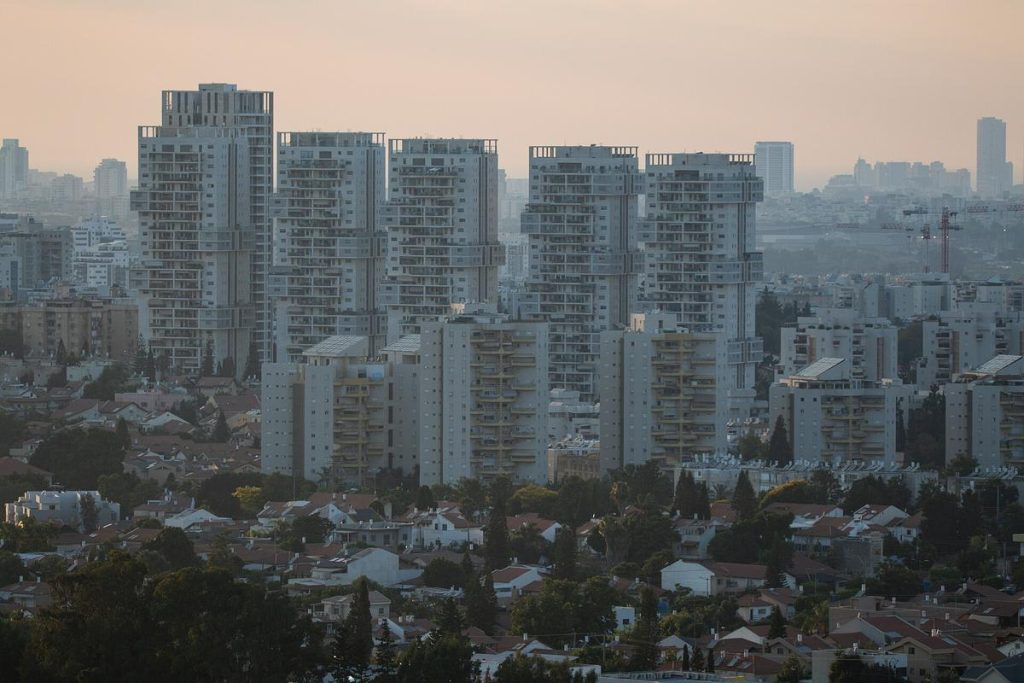
When a tenant passes away in Israel, the lease does not automatically terminate, and the management of the apartment must be transferred to the legal heirs. You must identify the beneficiaries via a tsav yerusha to begin the process of vacating the unit and recovering any owed funds. The procedure requires coordinating the payment of HOA fees and municipal taxes with the estate to avoid administrative or financial delays.
Identifying heirs and the validity of the tsav yerusha
The death of an occupant interrupts the direct contractual relationship, but the responsibility for lease obligations passes to the legal heirs. The first step is to verify if the deceased left a tzava’a. This document allows for the precise identification of the beneficiaries of assets and obligations. If no will exists, heirs are determined according to the rules of yerusha by the family court.
We systematically request the presentation of the tsav yerusha. This succession order is the only document that legally proves heir status and allows one to take legal action or sign lease termination documents. Without this document, family members cannot legally take possession of personal effects or sign the end of the rental contract. It is necessary to distinguish between the management of personal property, which falls under pure succession, and the management of the real estate lease regarding the use of the dwelling.
In Israel, unlike in many other countries, there is no automatic protection linked to the concept of a primary residence that would allow a relative to remain on the premises without legal title to the succession. The right to occupy the dwelling is strictly tied to heir status or being a holder of a rental contract. If the heirs do not express their intent to take over the lease, the owner may initiate proceedings to vacate the apartment.
Managing continuity of arnona and vaad bayit payments
The cessation of automatic transfers following a death often leads to an immediate default in payments. To avoid accumulating debt, we monitor the payment of the arnona. The municipality may apply late penalties if the property tax is not paid. It is necessary to identify the legal person responsible for the estate’s debts to direct payment requests to the correct individual. The municipality processes succession files based on the documents provided by the heirs.
The payment of vaad bayit charges is equally critical. An interruption in payments can damage relations with the building management or lead to restrictions on access to common services. The owner should verify the status of the building accounts to ensure no unpaid balances are attributed to the unit being managed. We proceed with verifying HOA statements to identify amounts remaining due from the deceased tenant.
| Charge Type | Collecting Agency | Risk in Case of Non-payment |
|---|---|---|
| arnona | Municipality | Penalties, account seizures |
| vaad bayit | Building Management | Neighbor tensions, service interruptions |
| Electricity/Water | National Companies | Service disconnection |
Securing financial guarantees and the shtar ’hov
Death does not invalidate the financial guarantee signed during the lease signing. We analyze the validity of the shtar ’hov, the promissory note that binds the tenant and their arev. In Israel, the shtar ’hov is a powerful collection tool. If a tenant dies leaving unpaid rent, this document allows for requesting the guarantor to cover the transition period between the death and the effective vacation of the premises.
The use of the shtar ’hov differs from practices in other regions where bank guarantees or rent insurance are more common. Here, the promissory note is a recognition of debt that can be activated quickly. We perform an inventory of the remaining funds in the rental management account to determine the gap between collected sums and accumulated debts. If the amount is significant, the owner may turn to the arev to obtain payment of the sums owed by the estate.
It is useful to rent from abroad knowing that these guarantees are local. Managing the transition requires knowing exactly who is bound by the shtar ’hov to avoid any subsequent legal disputes by the heirs.
Removal of belongings and the move-out inspection
Once the succession is established, the organization of removing furniture and personal effects must be coordinated with the heirs. If the heirs do not respond, the owner cannot simply dispose of the property. They must respect legal deadlines regarding abandoned property. We organize professional presence to supervise the removal if the heirs request logistical assistance.
To protect the owner, we have the condition of the apartment verified by a professional. This inspection allows for the identification of any damage that may have occurred during the period the apartment remained uninhabited or poorly maintained. This report is essential to determine the Allocation of repair costs: tenant or owner in Israel. If damage is noted on specific elements, such as a security door, the question of liability can be complex. Consult our article on Mamad door repair: is the tenant responsible in Israel? to understand cases of structural damage.
Particular attention is paid to the mamad. This secure room may contain official documents, jewelry, or valuables belonging to the deceased. We verify the integrity of the mamad during the inspection to ensure no items have been moved or damaged.
Recovering the apartment and managing the doud shemesh and mazgan
Relisting the property requires a complete technical verification of the installations. An apartment that has remained empty may present malfunctions related to inactivity. We check the operation of the doud shemesh (solar water heater) to ensure no leaks have appeared on the roof. Similarly, we test the mazgan (air conditioner) to verify that the compressors are not stuck due to lack of use.
We perform a building inspection, called bedek bayit, to ensure no incidents occurred during the vacancy period. This step allows for the detection of plumbing or electrical problems that might have been ignored. Once the succession is closed and keys are recovered, we proceed with replacing the locks to guarantee the security of the unit.
Managing water and electricity consumption is a point of vigilance. In the absence of an occupant, meters must be read to stop billing in the name of the deceased and transfer subscriptions to the new tenant or the owner. We perform meter readings to establish an accurate billing base when closing the accounts of the previous occupant.
Regularizing the situation with the reshut ha-misim
The death of a tenant can have repercussions on the building’s taxation, particularly if the tenant also owned other assets or if it was a commercial lease. For the landlord, it is necessary to notify the reshut ha-misim of the end of the lease to update mas hachnasa (income tax) declarations. This ensures that declared rental income corresponds to the reality of the vacancy.
We prepare the necessary documents for the calculation of mas shevach (capital gains tax) if the end of the lease coincides with an intention to resell the apartment. The consistency between the terminated lease and the tax declarations for the current year is a point we systematically verify. A date error can lead to complications during tax administration audits.
- Obtain the tsav yerusha to identify the legal signatories.
- Verify the validity of the shtar ’hov and the arev for collection.
- Arrange a bedek bayit for the apartment’s condition.
- Regularize the arnona and vaad bayit accounts.
- Notify the reshut ha-misim of the end of occupancy.
In the event of a tenant’s death, never attempt to enter the apartment without the presence of a representative of the heirs or without having obtained the tsav yerusha. Unauthorized access can be interpreted as trespassing, even if the lease is technically void. Wait for the legal validation of the succession before any action to relist the property.

Gestion locative en Israël pour propriétaires francophones. Bureaux à Netanya, 26 Dizengoff. Une question sur votre bien ? Écrivez-nous.