Electrical Installation for the Mamad in Israel
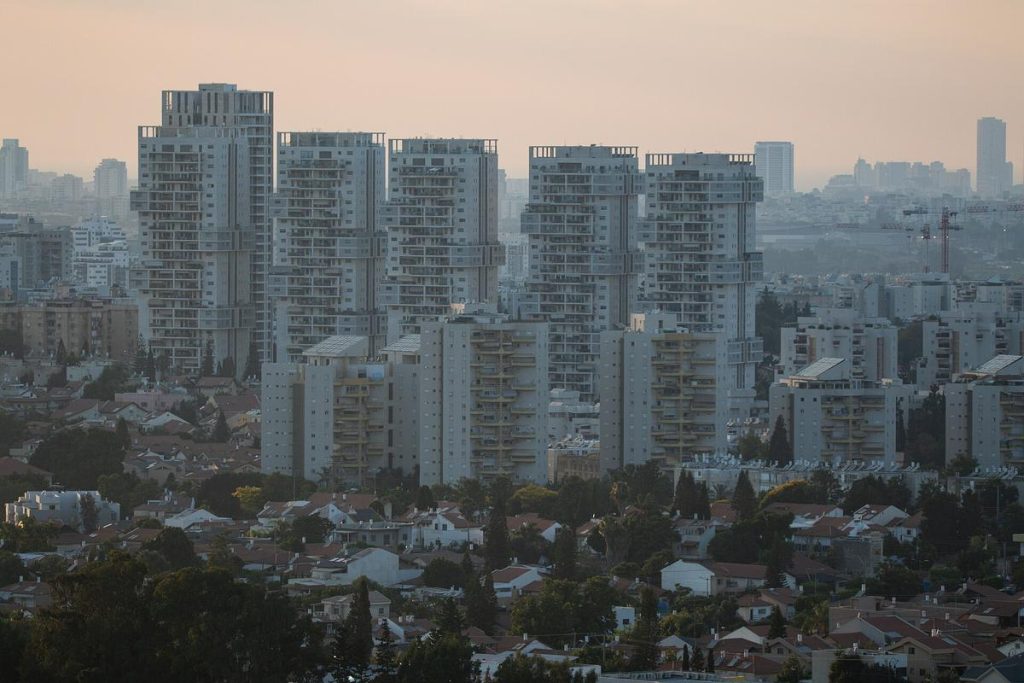
The electrical installation of a mamad requires a specific configuration to meet the safety requirements of a fortified room. You must ensure that the protection circuit is distinct from the rest of the apartment and that the wiring can support the load of a powerful mazgan. A certified electrician must validate the compliance of the distribution board to guarantee the electrical integrity of the room.
Quick answer: This guide outlines the standard electrical requirements for residential properties in Israel, focusing on safety compliance and typical installation practices. It covers the essential wiring standards, breaker configurations, and safety protocols that apply to modern homes in the country.
Specific electrical supply for the mamad and distribution board compliance
A mamad is not an ordinary room. Its thick reinforced concrete structure and armored door require rigorous electrical management. We systematically verify that the line dedicated to the mazgan has its own circuit breaker at the apartment’s main panel. This separation prevents a failure in the air conditioner from cutting off all electricity in the secure room, which could become problematic in an emergency.
The installation must distinguish the general apartment circuit from the specific protection circuit of the mamad. In Israel, the available power per apartment is limited by the contract with the electric company. Adding equipment in the mamad can saturate the panel if the initial sizing did not account for this room. We examine the capacity of the thermal-magnetic circuit breakers to confirm they match the actual consumption of the installed appliances.
The sealing of conduits is a critical point. When installing outlets, cables often pass through very dense concrete walls. We check that cable passages are correctly sealed so as not to compromise the structural integrity or the insulation of the room. Any modification to the distribution board or addition of a line must be performed by a licensed electrician, as the owner’s civil liability is engaged in the event of an electrical fire.
- Verification of the dedicated line for the mazgan and security equipment.
- Distinction between the general apartment circuit and the mamad protection circuit.
- Control of conduit sealing during outlet installation in a windowless room.
- Requirement for authorization by a certified electrician for any panel modification.
Management of power outlets and sealing in the secure room
Installing power outlets in a mamad involves physical constraints not found in a standard bedroom. The walls consist of very thick reinforced concrete, making the recessed installation of boxes complex. We recommend positioning outlets so they do not interfere with the armored door mechanisms or ventilation systems. Poor placement can lead to vibrations or difficulties closing the door.
The lack of windows in this room increases the concentration of cables in a restricted space. To avoid exposed wires on concrete walls, which is both unsightly and dangerous, the use of specific junction boxes is necessary. These boxes allow for centralized connections without having to cut new channels into the reinforced concrete, an operation that is costly and risky for the structure.
We verify that the outlets respect the room’s shielding standards. In an environment where security is the priority, the electrical installation must not create weak points. This includes verifying that the boxes are securely fixed despite the hardness of the surface. If you are considering renovation work, consult our article on Clim and mazgan installation in a mamad in Israel to understand the interaction between air conditioning and the electrical network.
The impact of the mazgan and high-power appliances in the mamad
The mazgan is the most energy-consuming appliance installed in a mamad. The sizing of outlets and cables must be calculated based on the power (in Watts or BTU) of the unit. Standard wiring, identical to that of a bedroom, risks overheating if the air conditioner is used intensively during summer months. We recommend installing circuit breakers adapted to the actual consumption of the equipment to prevent any risk of a short circuit.
The risks of electrical overload are real in this reduced space. If a tenant simultaneously plugs in a computer, a phone charger, and a television while the mazgan is running at full capacity, the circuit may trip. This situation is common in apartments where the power subscribed with the electric company is close to the limit. The difference between bedroom wiring and mamad wiring lies precisely in this load capacity and the robustness of the installed protections.
To determine the necessary power, one must add the nominal consumption of each intended appliance in the room and apply a safety coefficient. We advise having a professional verify the capacity of the electrical panel before any high-power equipment installation. This helps avoid emergency interventions which, as we explain in our article on Mamad maintenance emergency in Israel: who pays for repairs?, can create tension between landlord and tenant.
Allocation of electrical maintenance costs between owner and tenant
The management of electrical repairs follows specific rules in Israel. The owner is responsible for the fixed installation. This includes circuits embedded in the walls, the electrical panel, circuit breakers, and the cables connecting the outlets. If a circuit breaker fails due to age, the cost of the repair falls to the owner. We monitor these interventions as part of our property management.
The tenant, meanwhile, is responsible for the maintenance of mobile appliances and outlets damaged by inappropriate use. If an outlet is broken due to impact or if a tenant’s electrical device causes a short circuit through negligence, the cost of restoration is their responsibility. The distinction is based on the origin of the failure: is it an installation defect (owner) or a usage defect (tenant)?
In case of a dispute, the procedure is to call a professional to establish a report. This technical report is essential to determine responsibility. Repairs related to the normal wear and tear of components, such as a switch mechanism that fails after several years, are generally considered the owner’s responsibility, unless a specific clause exists in the lease agreement. To avoid these complications, we recommend performing a rigorous electrical inspection during the move-in walkthrough.
| Type of intervention | Owner Responsibility | Tenant Responsibility | Israeli context |
|---|---|---|---|
| Replacing a circuit breaker | Yes (if due to age) | No | Fixed panel installation |
| Changing a wall outlet | Yes (if installation defect) | Yes (if accidental damage) | Intensive daily use |
| Repairing the mazgan circuit | Yes | No | Essential equipment |
| Replacing a switch | Yes | Yes | Wear from handling |
Verification of grounding and occupant protection
Grounding is a critical safety element, especially in a room with a massive concrete structure. We check the continuity of the ground to ensure that leakage currents are properly discharged. In a mamad, where one may be isolated during confinement, a faulty electrical installation can present an immediate danger. The inspection of residual current devices is mandatory to prevent any risk of electrocution.
There are notable differences between international grounding standards and wiring practices in Israel. The system for managing fault currents may vary depending on the age of the building. In older constructions, the presence of effective grounding is not systematic and must be verified by a professional during any intervention. We verify the presence and effectiveness of the ground connection on all sensitive circuits.
Professional inspection before renting is a precautionary measure we recommend to all our clients. A continuity test and a residual current device trip test validate that the installation is safe for the future occupant. This limits the risk of claims and protects the owner’s liability regarding the requirements of the reshut ha-misim in the event of an audit or a dispute related to a domestic accident.
Electricity in the context of yerusha or tsav yerusha
Managing real estate in Israel can be complicated by yerusha (inheritance). When an owner passes away, the management of urgent electrical work may be suspended while waiting for the tsav yerusha (probate order). However, if an electrical failure in the mamad presents a fire risk, the estate administrator must act quickly to protect the asset, even before the probate process is finalized.
The estate administrator is responsible for ensuring the electrical compliance of the mamad. They must ensure the installation does not degrade during the transition period. We check the state of electrical installations when taking over an inherited property, especially if the property has remained vacant for several months. The absence of an owner and active management can lead to the oxidation of certain components or the malfunction of protection systems.
The impact of a lack of supervision is direct on sensitive electrical equipment, such as the mazgan or security systems. A property awaiting yerusha should undergo periodic technical visits. We advise heirs to mandate a professional to perform an inspection of the electrical installation to prevent minor damage from turning into major repairs once the property is rented or sold.
Before renting an apartment containing a mamad, ask your electrician for a written report confirming the circuit’s capacity to support the mazgan load and the operational status of the residual current circuit breakers. This document is your best protection in the event of a later dispute with a tenant.
Frequently asked questions
What are the standard voltage and frequency in Israel?
Israel uses 230 volts and 50 hertz as its standard electrical supply. Most outlets are of type H, which is specific to the region. It is important to ensure that all appliances and installations are rated for these specific parameters to avoid damage or safety hazards.
Are there specific safety regulations for home electrical work?
Yes, electrical installations in Israel must comply with the national safety standards set by the Standards Authority of Israel. These regulations dictate the use of specific materials, proper grounding, and the installation of residual current devices for protection. Homeowners are advised to hire licensed electricians to ensure full compliance with these legal and safety requirements.
Do I need a permit for electrical renovations?
For significant electrical renovations, such as rewiring a home or adding new circuits, a permit is often required. This ensures that the work meets current safety codes and is inspected by authorized bodies. Minor repairs or replacements may not require a permit, but it is always best to consult with a local professional to determine the specific legal obligations for your project.
How do I choose the right electrician in Israel?
You should look for an electrician who holds a valid license and has experience with local building codes. Checking for professional liability insurance and reading reviews from previous clients can also help you assess their reliability. A reputable electrician will provide clear quotes and explain the scope of work, including any necessary inspections or certifications.

Gestion locative en Israël pour propriétaires francophones. Bureaux à Netanya, 26 Dizengoff. Une question sur votre bien ? Écrivez-nous.