High-Window Cleaning for a Penthouse in Netanya
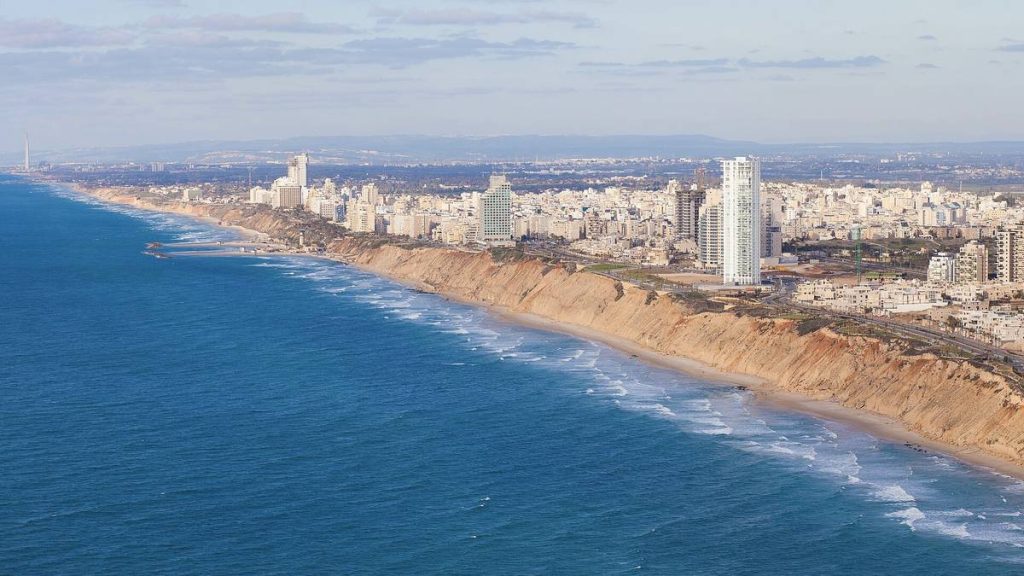
Cleaning the windows and railings of a penthouse in Netanya is the sole responsibility of the owner, separate from building maintenance fees. The lack of specific regulations regarding high-altitude work certifications requires rigorous verification of the contractor’s liability insurance. We manage this process remotely by securing access and documenting the property’s condition, thereby avoiding disputes related to negligence or property damage.
1. Safety and responsibilities: constraints of high floors
In the United States, high-altitude cleaning companies often must provide specific certifications and strict qualifications. In Israel, this regulation is less codified. Legal responsibility falls directly on the owner who hires a contractor. If a worker falls or gets stuck on a facade element, the failure to verify the company’s insurance coverage exposes the landlord to legal action. The risk is not only financial; it can be criminal if negligence is proven.
It is necessary to distinguish structural maintenance from cleaning. A penthouse in Netanya, often located on the top floor of a high-end building, features large windows. Using a simple pole is technically impossible and dangerous. Rope systems or scaffolding are required. Before signing a quote, it is imperative to verify if the building has certified anchor points. The vaad bayit (building committee) may prohibit external access if the building bylaws stipulate so. In this case, the work must be done from the inside, which changes costs and logistics. We systematically verify the contractor’s liability insurance policy and require a copy of the contract before any intervention. This step protects the owner against accidents or damage caused to neighbors.
2. The doud shemesh and technical pollution
Window cleaning is not limited to water and detergent. In Netanya, the presence of the doud shemesh (solar water heater) is nearly universal. These installations, often located on roofs or upper balconies, generate projections of limescale and saltwater. These deposits accumulate on lower windows and railings. Standard cleaning is insufficient; specific acidic products are needed to dissolve these encrustations without attacking the glass or aluminum.
The mazgan (air conditioner) poses a similar problem. If outdoor units are poorly positioned or their filters are clogged, they diffuse black particles and dust onto glass surfaces. In the US, there is a clear distinction between technical maintenance and aesthetic cleaning. In Israel, this boundary is often blurred. The tenant or owner confuses facade cleaning with mazgan maintenance. However, cleaning air conditioning units is a technical task, not an aesthetic one. If the doud shemesh leaks, saltwater corrodes the metal window frames. A building inspection (bedek bayit) can reveal these hidden damages. We recommend checking the condition of the doud shemesh piping before every major cleaning, as repairing corrosion is more costly than cleaning deposits. Pollution from technical equipment is an Israeli specificity that must be included in the quote.
3. The boundary between vaad bayit and private charges
Confusion between common areas and private areas is frequent. The vaad bayit covers the costs of cleaning hallways, the entrance lobby, and sometimes elevators. It never covers the cleaning of specific apartment exterior windows or private railings. These elements are the sole responsibility of the owner.
However, edge cases exist. If the penthouse railings are structural elements integrated into the building facade, rather than private additions, their maintenance may be the responsibility of the building association. You must consult the vaad bayit bylaws. Some buildings provide a maintenance fund for exterior elements of upper floors, considered to impact the building’s overall aesthetics. In this case, the owner may request partial reimbursement. A common error is asking the vaad bayit to pay for cleaning one’s own windows. The vaad bayit will systematically refuse, as this is not a common expense. We analyze the bylaws before billing the owner for this service, to avoid disputes with the building association. If the windows overlook a shared private balcony, responsibility may be negotiable, but this is a rare configuration.
4. Managing the contractor remotely and securing access
For an owner residing in the United States, key management is a critical point. Access to a penthouse often involves traversing secured common areas. There is no national registry of cleaning companies in Israel to verify their legality or employer status. The vigilance of the client is the only barrier against illegal or uninsured contractors.
We coordinate the intervention in the presence of a vaad bayit representative or a trusted neighbor. This person attests to the property’s condition before and after the work. They verify that access badges were used correctly and that the company respected the schedule. The risk of theft is real: access to a penthouse provides access to the entire building. We require a temporary badge for the contractor, which is deactivated immediately after the intervention. If the owner is absent, we provide secure access via an electronic key box or handover to a trusted third party. This procedure avoids situations where a contractor remains in the building without supervision. Trust is built through traceability, not good faith.
5. The tenant and their rights of intervention
When the apartment is rented, the question of who can hire a professional arises. Exterior window cleaning is the owner’s responsibility, unless stated otherwise in the lease. The tenant has no right to hire a contractor for high-altitude cleaning without written authorization. If they do, and the contractor damages the railing, the owner must verify if the shtar ‘hov (promissory note) or the tenant’s insurance covers the damages. The shtar ‘hov is not insurance, but a guarantee of payment. It does not cover property damage.
If the tenant refuses access for necessary exterior maintenance, the owner can invoke the maintenance clause in the lease. In Israel, the lease must specify who assumes major maintenance. If the lease is silent, the law presumes the owner maintains the building in good condition. The tenant must allow professionals access. We manage this relationship through our property management service, which formalizes access requests. If the tenant persists in refusing, a formal notice is sent. In cases where smart home repairs are necessary to enable secure access, we refer you to our article on who pays for smart home repairs to clarify cost allocation.
6. The mamad and secure access
The presence of a mamad (safe room) in a penthouse can complicate access. The mamad is a fortified room, often used as a refuge in case of conflict. It can block access to certain areas of the apartment or to ventilation systems. High-altitude cleaning contractors must know the apartment’s configuration to avoid damaging security systems.
If cleaning requires passing through the mamad or temporarily disconnecting its alarms, a specific procedure is required. The owner must authorize this intervention in writing. We coordinate with the mamad manufacturer to deactivate sensors during the work. This step is crucial to avoid false alarms or damage to security equipment. The owner’s insurance must cover these specific interventions. We verify that the insurance policy mentions the presence of the mamad and that the intervention is covered. For more details on covering specific equipment, consult our guide on renewing penthouse insurance. The security of the mamad takes precedence over the aesthetics of the windows.
7. Frequency and cleaning methods adapted to the climate
Netanya’s humid and saline climate accelerates the soiling of windows and railings. Unlike in the US, where annual cleaning is often sufficient, in Netanya, cleaning every six months is recommended for facades exposed to the south or east. Sea salt accumulates on aluminum frames and causes rapid corrosion. Cleaning methods must adapt products to this aggressiveness. Seawater should never be used directly; it must be filtered or replaced by osmosed water.
Stainless steel railings require regular polishing to prevent staining. Double-glazed windows must be cleaned on both sides, which increases the cost of the intervention. We offer semi-annual maintenance contracts that include cleaning frames, seals, and adjacent doud shemesh. This preventive approach reduces long-term repair costs. The table below summarizes recommended interventions based on frequency.
| Element | Recommended frequency | Specific method |
|---|---|---|
| Exterior windows | 2 times per year | Osmosed water, anti-limescale products |
| Aluminum railings | 2 times per year | Salt degreaser, soft polishing |
| doud shemesh panels | 1 time per year | Clear water, non-abrasive cloth |
| mazgan units | 1 time per year | Filter cleaning, grille rinsing |
8. Final checks and documentation
After each intervention, documentation is produced. It includes before/after photos, a certificate of presence from the trusted third party, and a copy of the contractor’s invoice. This documentation is kept by GII and sent to the owner. It serves as proof in case of dispute with the vaad bayit or a tenant. If damage is observed after the intervention, the date and time of the work help determine responsibility.
We verify that window seals are intact and that frames show no signs of corrosion. An annual building inspection (bedek bayit) is recommended to detect water infiltrations that could damage the penthouse structure. This inspection is not mandatory, but it protects the owner’s investment. Without this check, a leak may go unnoticed for months, leading to costly repairs. Documentation is the only way to prove that maintenance was performed correctly. We archive these documents for the duration of the property management.
Before signing a high-altitude cleaning contract, require the contractor’s liability insurance policy and verify if the building allows external access. Never grant access to a penthouse without the presence of a neutral witness, such as a vaad bayit representative. This simple procedure avoids the majority of disputes related to damage or theft.

Gestion locative en Israël pour propriétaires francophones. Bureaux à Netanya, 26 Dizengoff. Une question sur votre bien ? Écrivez-nous.