How Repair Costs Are Split at the End of a Lease in Israel
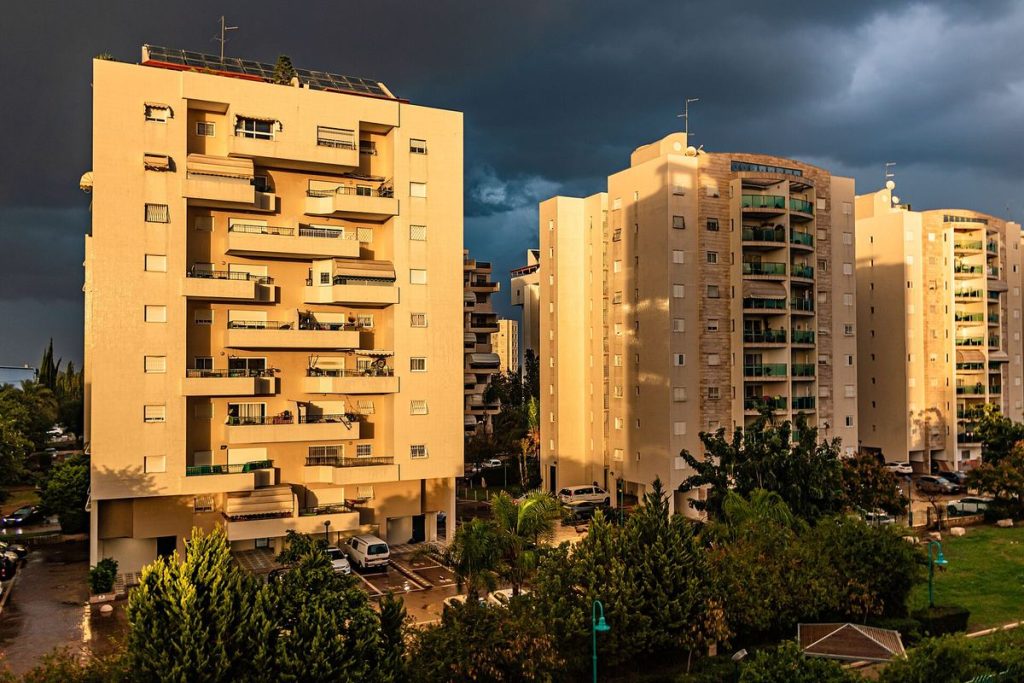
In Israel, the law does not legally distinguish between minor tenant repairs and major structural repairs. The boundary is purely contractual. It is defined in the signed lease, based on the distinction between the building’s structure and its internal equipment. At the end of the lease, only a written report from a third-party professional allows you to bill the tenant for damages. Without this proof, the owner bears the cost.
Quick answer: In Israel, routine maintenance and minor repairs are typically the tenant’s responsibility, while major structural issues and significant defects are handled by the landlord. The exact division of costs depends on the specific lease agreement and local regulations.
The lease agreement: the sole reference for repairs
Unlike in the United States, where local codes often dictate maintenance responsibilities, Israel has no mandatory code of repairs. The lease is the only document that defines who pays for what. If a clause is vague, the tenant can dispute any reimbursement request. The owner’s security therefore relies on the precision of the document signed at move-in.
Lease templates circulating in the market often use ambiguous Hebrew or English terms. The term “repair” can refer to restoring an item broken by use or fixing a mechanical failure. The term “maintenance” generally covers preventive upkeep. You must verify exactly what these words cover. A lease stating that the tenant handles the “maintenance” of the mazgan (air conditioner) does not necessarily mean they must pay for a gas refill if the compressor fails. The answer depends on the definition provided in the contract’s appendix.
The shtar ’hov (promissory note) is often requested at signing. It is a signed acknowledgment of debt by the tenant and their arev (guarantor). Many owners believe this document covers physical damage. It does not. The shtar ’hov guarantees the payment of rent and utilities. It serves as proof for no physical damage. If the tenant breaks a tile or causes a pipe leak, the shtar ’hov does not allow you to force them to pay for repairs. You must rely on the lease and the expert report. To understand the basic mechanics of renting, consult our guide on the allocation of repair costs.
The structural distinction: building versus equipment
In the absence of an explicit clause, Israeli case law retains an implicit rule: the owner is responsible for the structure (walls, foundations, roof), while the tenant is responsible for normal use and internal equipment. This boundary is essential to avoid disputes. The owner must ensure the building is habitable. The tenant must ensure they have not damaged elements that are not part of the structure.
The case of the doud shemesh (solar water heater) is common. The tank and panels are often considered equipment. Pump maintenance and filter cleaning generally fall to the tenant. However, if the tank itself leaks due to corrosion or material wear, the repair is the owner’s responsibility. You must check the installation’s condition at move-in. If the tank is old, the risk of failure is high. The lease should specify if the tenant must report any anomaly immediately to avoid shared liability.
The mazgan follows the same logic. Cleaning filters and grilles is a routine hygiene task, the tenant’s responsibility. Refilling refrigerant gas or repairing the compressor are technical interventions on the equipment. These costs fall to the owner, unless the failure is caused by tenant negligence (for example, clogged grilles that were not cleaned). This distinction between hygiene maintenance and mechanical repair is the key to cost allocation. It prevents the tenant from billing the owner for cleaning work, or the owner from billing the tenant for a compressor failure.
The bedek bayit: the inspection at lease exit
At the end of the lease, proof of the property’s condition is crucial. The bedek bayit is not a legal obligation like certain inspections in other countries, but it is an indispensable proof tool. Without a written report, the owner cannot bill for repairs. The procedure involves hiring a third-party professional: a plumber, an electrician, or a general inspector. This professional assesses the condition of the installations and walls. They draft a detailed report.
The report must be precise. It must include dated photos of each anomaly. The description of damages must be factual: “crack in the bathroom tile,” “leak at the sink joint.” It must include an estimate of restoration costs. This document serves as the basis for negotiation with the tenant. If the tenant disputes the damages, the third-party professional’s report is the prevailing proof. It is recommended to have the tenant sign this report. If they refuse to sign, the owner keeps the professional’s report, which holds weight in case of dispute. This practice differs from move-in inspections, which are done before tenancy begins. Here, the inspection happens at move-out to document damages caused during the tenancy.
The choice of professional matters. They must not be linked to the tenant. A local, independent artisan is more credible. The cost of this inspection is often negotiated between the parties, but it is generally borne by the owner if they wish to bill for repairs. It is a low investment compared to the risk of losing the repair cost. To prepare for this phase, it is useful to understand the specifics of property management, particularly in areas like Asdod, as detailed in our article on lease renewal.
The vaad bayit: who pays the association fees
The vaad bayit are the building association fees. They cover the maintenance of common areas, the doorman’s salary, hallway electricity, etc. In the majority of Israeli leases, these fees are the tenant’s responsibility. However, this clause must be verified. If the lease is silent, case law can vary. The owner must ensure the lease clearly states that the tenant pays the vaad bayit monthly, in addition to rent.
The case of major works is different. If the association of owners decides to replace the elevator or repair the facade, the cost is distributed among the owners. The owner must pay their share, as they own the apartment. The tenant does not pay for these major works, unless the lease explicitly states otherwise, which is rare and contestable. The distinction is clear: routine fees (ordinary vaad bayit) fall to the tenant, while structural building works fall to the owner.
The arnona (municipal residence tax) is a special case. It is a tax paid to the city hall. It is always the owner’s responsibility. Even if the lease states that the tenant pays it, this clause is void under Israeli law. The arnona is linked to ownership, not occupation. The owner must pay it. If the lease transfers it to the tenant, the tenant can refuse to pay and the owner will have to do so. It is important to verify who is the registered taxpayer with the city hall. In case of a sale, the transfer of the arnona is a point to settle during the sale or purchase of the property. Never count on the tenant to pay this tax.
Managing the mamad and security: a shared responsibility
The mamad is the secure room of the apartment, mandatory in new constructions. Its condition at lease exit is an important control point. The owner must ensure the mamad meets safety standards at the time of key handover. This includes the door’s sturdiness, the function of the locks, and ventilation. If the tenant damages the mamad door, they must pay for full restoration. The repair must be done by a certified professional to guarantee safety.
The verification happens during the move-out inspection. The professional assesses the condition of the door, seals, and ventilation system. If damages are found, they are included in the bedek bayit report. The tenant cannot dispute the repair if they caused the damages. The owner’s responsibility is to ensure the mamad was functional at move-in. If there was an existing failure, it must be mentioned in the move-in report. Without this mention, the owner is presumed to have delivered a compliant mamad.
The security of the mamad is a major issue in Israel. A defective mamad can expose the owner to civil liability in case of an incident. Checking the door and ventilation is therefore a critical step. The cost of repairing a damaged mamad is high. It is essential to document the room’s condition with precision. Photos must show specific damages. This rigor allows you to bill the tenant the exact cost of restoration, without ambiguity.
Dispute: when the tenant refuses to pay
If the tenant refuses to pay for repairs, the first step is the amicable procedure. The owner sends a formal demand letter. This letter must include a copy of the bedek bayit report and the artisans’ quotes for repairs. It must specify the exact amount claimed and the payment deadline. This demand letter is proof that the owner attempted to resolve the dispute amicably. It is indispensable before any judicial procedure.
If the dispute persists, the owner can take the case to court. For modest amounts, the simplified procedure of the district court is applicable. The jurisdiction threshold varies by court, but the procedure is faster and less costly than an ordinary trial. The owner must provide the proofs: the lease, the expert report, and the repair invoices. The court rules based on these documents. Using the security deposit is another means of pressure. The owner can deduct repair costs from the deposit paid by the tenant. However, this deduction must be justified by the documents. If the tenant disputes it, the owner must prove that the repairs were necessary and that the costs were reasonable.
The risk of dispute is real. The tenant can argue that the damages were pre-existing or that the costs are exaggerated. This is why the quality of the expert report is decisive. A vague or incomplete report weakens the owner’s position. The court may reduce the claimed amount if the proofs are insufficient. Prevention lies in a rigorous move-out inspection. Using an independent professional strengthens the report’s credibility. In case of a complex dispute, it is recommended to consult a lawyer specializing in Israeli real estate law to evaluate the chances of success.
GII’s role: managing the lease exit
Managing the lease exit is a critical phase that requires local expertise. We organize the bedek bayit with a certified professional. We establish the contradictory report in the presence of the tenant. This report is drafted precisely, with photos and detailed descriptions. It serves as the basis for repair negotiations. We check the condition of the mamad, equipment, and walls. We document each anomaly to secure the owner’s position.
We negotiate with the tenant the allocation of costs. We rely on the lease clauses and local customs to argue. This negotiation aims to avoid litigation. We manage the return of the security deposit. We deduct the costs validated by the expert report and the artisans’ invoices. We return the balance to the tenant within legal deadlines, with an official receipt. This transparency avoids subsequent disputes. We ensure the traceability of each operation, from inspection to the return of funds.
Once the deed is signed and the property returned, the question of what follows arises. Who receives the keys? Who finds the next tenant? Who answers when a pipe bursts on a Friday night? These questions are not theoretical. They determine the profitability and peace of mind of the owner. Professional property management takes charge of these aspects. It ensures the continuity of the rental and the protection of the property. To discover how we manage the entire life cycle of your investment, consult our property management service. We transform the complexity of lease exit into a simple and secure procedure.
Do not rely on an oral estimate. At the end of the lease, the only document that counts is the written report of the bedek bayit, signed by the professional and countersigned by the tenant. Without this proof, any request for repair reimbursement is vulnerable. We provide you with this standardized report, with photos and detailed quotes, to secure your financial position.
Frequently asked questions
Who pays for routine maintenance in an Israeli rental?
Tenants are generally responsible for day-to-day upkeep, such as fixing minor leaks or replacing light bulbs. This is often explicitly stated in the lease contract to clarify daily living costs.
What types of repairs must the landlord cover?
Landlords are usually liable for major structural problems, such as roof leaks or foundation issues. They must also address significant defects that existed before the lease began or that result from normal wear and tear.
How is the condition of the apartment documented?
It is standard practice to create a detailed move-in report with photos. This document helps determine which damages are pre-existing and which are caused by the tenant during the tenancy.
What happens if the lease contract is silent on repairs?
If the contract does not specify, general legal principles apply. Courts typically expect landlords to maintain the property in a habitable condition, while tenants must avoid causing damage through negligence.

Gestion locative en Israël pour propriétaires francophones. Bureaux à Netanya, 26 Dizengoff. Une question sur votre bien ? Écrivez-nous.