Israeli Penthouse Lease Clause: Terrace and Amenities
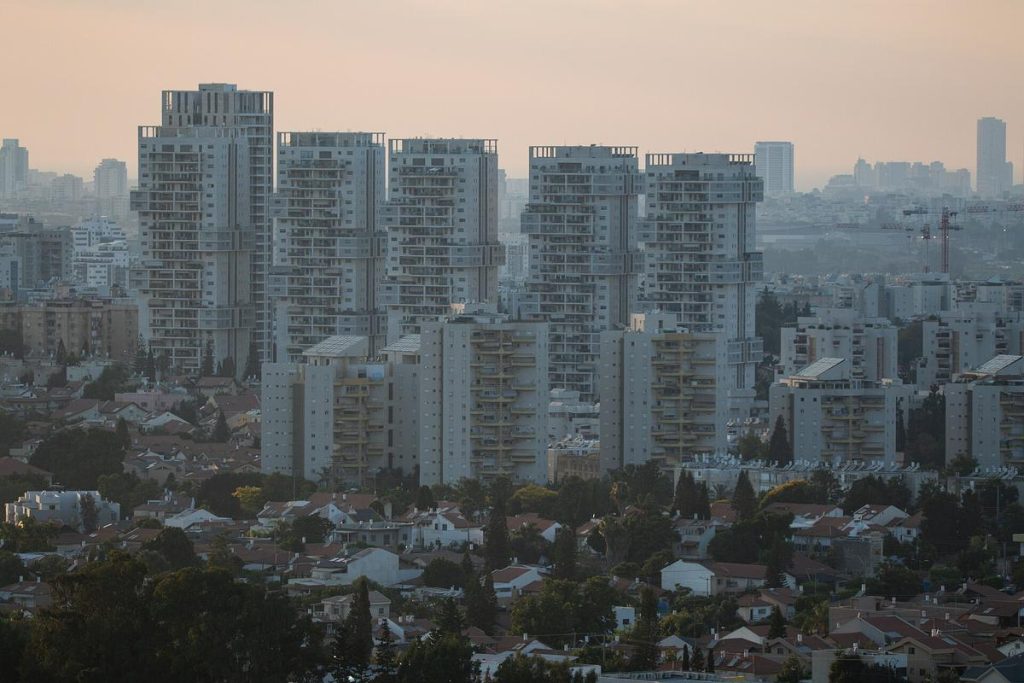
A penthouse lease in Israel must include specific clauses regarding terrace usage and pool maintenance to prevent disputes over leaks or noise disturbances. We recommend contractually defining responsibility for the upkeep of technical equipment, such as the outdoor mazgan or doud shemesh. The contract must also link tenant obligations to the vaad bayit regulations to protect the structural integrity of the building.
Terrace and mamad usage regarding vaad bayit regulations
A penthouse terrace is not a zone of absolute freedom. It is subject to the building regulations established by the vaad bayit. A tenant’s activities can lead to sanctions or conflicts with residents on lower floors. We include a clause in our contracts stipulating that the tenant agrees to strictly respect quiet hours and the building’s community living rules.
Terrace usage must be regulated to avoid structural damage. We specify in the lease that installing fixed structures, such as wooden pergolas or heavy shelters, is prohibited without prior written consent from the owner and, often, the vaad bayit. The weight of such installations can alter the load supported by the slab, posing a technical risk. Similarly, we limit terrace use to relaxation and reception, prohibiting any commercial use or the storage of construction materials.
The mamad, a mandatory security room in Israeli construction, is located inside the apartment. However, terrace access can sometimes interfere with the acoustic perception of this room if noisy equipment is installed there. We remind tenants that they may not modify the sealing of door thresholds leading from the terrace to the interior, as this would compromise the protection of the apartment and the mamad in the event of flooding.
- Define terrace usage limits to avoid disputes with neighbors below.
- Specify restrictions regarding heavy furniture or fixed structures on the terrace.
- Reiterate noise rules and outdoor space usage imposed by building regulations.
Technical management of the outdoor mazgan and doud shemesh
In a penthouse, air conditioning and water heating units are often located on the terrace. The mazgan has an outdoor unit that requires regular maintenance to prevent condensate leaks or motor failure. We draft a clause delegating filter cleaning and visual unit inspections to the tenant, while leaving the owner responsible for repairs related to the natural wear and tear of compressors.
The doud shemesh, the solar water heater, is a critical element in Israel. Its installation on a terrace or penthouse roof requires technical access. We include an access clause in the lease, allowing the owner or a technician to intervene without it being considered a violation of privacy. We specify that the tenant must facilitate this access for periodic maintenance of the solar system.
Water leaks from the doud shemesh or mazgan piping can cause immediate damage to the terrace surface. We establish a clear distinction: if the leak stems from outdated installation, the owner is responsible. If the leak results from impact or neglected maintenance by the tenant, the responsibility lies with them. This precision is necessary to avoid complications during a lease termination in Israel: rules and advice for exiting a contract.
- Detail maintenance procedures for outdoor air conditioning units installed on the terrace.
- Provide for access to maintain the doud shemesh without damaging floor coverings.
- Establish responsibility in the event of leaks from water heating installations.
Sealing control and liability for water infiltration
Waterproofing is a major point of friction in penthouse management. Unlike a standard apartment, a terrace is a surface exposed to weather and extreme thermal variations. We advise hiring a professional to perform a waterproofing inspection before signing the lease. This inspection allows for the documentation of the condition of joints, drains, and terrace slopes.
In the event of infiltration discovered during the tenancy, the allocation of costs must be anticipated. If the infiltration is due to a crack in the building structure or an original drainage defect, the costs fall to the owner. If the infiltration is caused by the accumulation of debris obstructing rainwater drains due to a lack of cleaning, the tenant is responsible. We include a formal prohibition against modifying floor slopes or blocking drains with furniture or plants.
Maintaining rainwater drains is a routine task that must be mentioned. A tenant who neglects to clean drainage grates risks causing significant damage. We recommend documenting the condition of the drains during the move-in inspection to allow for comparison during the End of lease in Israel: renewal or changing tenants. A professional should be able to verify the state of the slopes if a dispute arises.
Pool safety and compliance with local standards
A terrace pool represents both a safety risk and a structural weight risk. The lease must state that the tenant is responsible for maintaining safety devices, such as barriers or protective covers, in working order. In Israel, safety around water points is a major concern for authorities and insurance companies. The tenant must commit to not removing these devices.
The filtration system and chemical water treatment require constant monitoring. We define a verification frequency by a specialized technician, for example, once a month or once a quarter, depending on the pool size. The tenant is responsible for routine maintenance (cleaning the pool, adding chemicals), while the owner manages the replacement of pumps or filtration systems failing due to age. We specify that any damage to the walls due to poor chemical balance will be charged to the tenant.
Water management is also linked to water costs, which are often integrated into domestic usage but are distinct for a pool. We recommend checking if the water meter allows for a separate reading for the pool to avoid disputes over the water bill. Responsibility in case of a leak in the pool structure is a key point: if the leak is structural, it is the owner’s responsibility; if it is due to improperly handled surface equipment, it is the tenant’s responsibility.
Maintenance of terrace furniture and equipment
Terrace furniture, built-in barbecues, or outdoor lighting systems are integral parts of the rented property. We list this equipment precisely in the move-in inspection to avoid any disputes. A built-in barbecue, for example, requires regular cleaning of the vents to prevent grease buildup, which could pose a fire risk or damage surrounding materials.
Terrace flooring (tiles, stone slabs, or wood) is sensitive to stains. We include a clause on cleaning rules: the use of corrosive products to remove grease or wine stains is strictly prohibited, as it can alter the material’s porosity. The tenant must use cleaning methods appropriate for the type of flooring. We specify that any indelible stain or discoloration due to poor maintenance will be considered damage.
Outdoor electricity is another point of vigilance. Terrace outlets and lights are exposed to humidity and splashes from the pool. We regulate the use of electrical installations to prevent short circuits. The tenant must not overload outdoor circuits with power strips not rated for outdoor use. In the event of an electrical failure related to overloading or water exposure, repair costs will be borne by the tenant.
- List equipment (barbecue, lighting, furniture) included in the move-in inspection.
- Specify cleaning rules to prevent indelible stains on slabs or tiles.
- Regulate the use of outdoor electrical installations to prevent short circuits.
Property protection against risks of damage to the tabu
Ownership of a penthouse in Israel is based on what is registered in the tabu (land registry). It is imperative to verify the exact extent of property rights regarding the terrace and the pool. Sometimes, a terrace is registered as a common area or a zone with specific usage restrictions. We systematically verify the property’s compliance with the tabu to confirm that the owner indeed has exclusive use of these outdoor spaces.
The tenant must not make any modifications that contravene registered property rights. This includes building a fence, adding a shelter, or even modifying the configuration of a pool. Any unauthorized modification can lead to serious legal complications with the municipality or the vaad bayit. We include a clause nullifying any structural modification made without the owner’s written consent and verification of its compliance with the tabu.
To guarantee payment for repairs related to damage caused to outdoor equipment (pool, terrace, air conditioning), we use the shtar ’hov. This promissory note, signed by the tenant and their guarantor, allows for the recovery of necessary funds in the event of damage noted during the move-out inspection. The shtar ’hov does not replace insurance, but it serves as a direct payment guarantee for specific penthouse material repairs.
Allocation of specific charges: between owner and tenant
Managing a penthouse requires a clear distinction of responsibilities to prevent the owner from financing routine maintenance or the tenant from being penalized for structural defects. We use the following table to clarify the allocation of charges in our property management contracts.
| Maintenance Item | Owner Responsibility | Tenant Responsibility |
|---|---|---|
| Pool pump replacement | Age / Technical failure | Misuse / Negligence |
| Filter cleaning | System structure | Routine maintenance |
| Terrace waterproofing repair | Building structure | Damage from improper use |
| Mazgan leak repair | Initial installation | Filter/Unit maintenance |
Before signing any lease for a penthouse, require a building inspection (bedek bayit) by a professional specializing in high-rise structures. This step allows for the documentation of the condition of waterproofing and pool equipment, thereby protecting your investment against unfair claims when the tenant departs.

Gestion locative en Israël pour propriétaires francophones. Bureaux à Netanya, 26 Dizengoff. Une question sur votre bien ? Écrivez-nous.