Leak in a Partition Wall in Jerusalem: Who Pays for the Repair?
Responsibility for repairing a leak in a partition wall in Jerusalem depends on the legal nature of the wall and the origin of the leak, as determined by the tabou and the bylaws of the vaad bayit. If the wall is a structural common element, the cost is covered by the building association fees. If it is a private partition, the owner of the apartment where the leak originated bears the expense. Proof of origin is established through a technical inspection, not a usage check. The tenant pays only if they caused abnormal damage, documented by a professional.
The load-bearing wall and property limits: what the tabou says
In Israel, the boundary between what you own and what belongs to the building is not defined by a standardized agreement, but by the land registry, the tabou. This document describes the building’s structure. It specifies whether the partition wall is a load-bearing element (reinforced concrete, heavy masonry) or a simple separation partition (hollow brick, drywall). This distinction is critical for financial responsibility.
If the wall is described as structural in the tabou, it is a common element. Its repair is the responsibility of the building association, regardless of the neighboring owner. Conversely, if it is a lightweight partition, it is often considered private or mixed. In this case, responsibility is shared pro rata based on square footage, unless the building bylaws state otherwise.
The difference from other jurisdictions is significant: there is no single law imposing an automatic distribution of structural repair costs. Everything depends on the initial description of the property. Before buying an apartment in Jerusalem, verify the nature of the wall in the tabou. A leaking reinforced concrete wall is a common expense issue. A leaking brick partition is a matter between two neighbors. This verification prevents misunderstandings during the purchase and clarifies who pays what in the event of damage. To understand the impact of these structures on your investment, consult our guide on investing in Israel.
The vaad bayit and the status of the partition wall
The assembly of co-owners, the vaad bayit, manages the common areas. Its bylaws, adopted at the time of the original sale, precisely define what is common and what is private. This is where financial responsibility is determined.
If the leak threatens the building’s stability (cracks, infiltration into foundations), the repair is a structural emergency. It is funded by common fees, even if the leak originates from a private pipe that breached the structure. The manager must convene an assembly or, in case of emergency, incur the costs on the building association account.
For lightweight partitions, the bylaws regulate the distribution. Some buildings stipulate that the owner of the « wet » apartment pays everything. Others provide for a 50/50 split. There is no single legal rule. You must read your building’s bylaws. If repair costs are not included in monthly fees, they must be voted on in an assembly. A simple majority vote is often sufficient for routine work, but major works may require a qualified majority. Check if your building has a reserve fund for unforeseen events. If not, each owner must advance their share. This transparency is crucial to avoid disputes between neighbors.
Locating the source: the practice of bedek bayit
In Israel, there is no mandatory « technical inspection » before work, unlike in some other countries. Proof of the leak’s origin is established through a building inspection, called bedek bayit. This term refers to the intervention of a professional (plumbing, civil engineering) to assess the condition and identify the exact source of the infiltration.
The procedure is simple: you hire a licensed expert. They inspect the pipes, measure moisture, and draft a report. This report is the key document for determining who is at fault. Without this document, it is difficult to hold the other party liable. The report must specify: the location of the leak, the nature of the pipe (common or private), and the probable origin (wear, manufacturing defect, improper handling).
For the report to be admissible in case of dispute, the professional must be recognized by local authorities or hold a certification recognized by the Jerusalem municipality. Avoid unqualified contractors. Their findings lack solid evidentiary value. The cost of this inspection is borne by the party requesting the intervention, but it is often reimbursed if the other party’s liability is proven. This step is essential before any work. It prevents digging into the wrong wall or paying for unnecessary repairs.
The tenant and the shtar ‘hov: who pays for the damage?
If the tenant causes the leak (excessive use, improper use of appliances), they are liable. The owner can hold them responsible via the shtar ‘hov, the promissory note signed at move-in. This document is not insurance, but a debt acknowledgment. It allows you to claim the repair amount directly from the tenant and their guarantor, the arev.
The distinction is clear: normal wear and tear of pipes is the owner’s responsibility. Abnormal damage (breakage due to negligence, intentional obstruction) is the tenant’s responsibility. To prove abnormal damage, you need the inspection report mentioned above.
How to draft the reimbursement request? It must be written, precise, and accompanied by the inspection report and repair invoices. Send it by registered mail to the tenant and the arev. If payment is not made within a reasonable time, you can take the matter to court. The shtar ‘hov facilitates this process as it constitutes proof of debt. Note: the tenant does not pay vaad bayit fees, unless they caused damage to common areas. In that case, the building association can pursue them directly.
The manager’s responsibility and unpaid vaad bayit fees
If the leak originates from a common pipe that was not maintained, the manager is liable. The vaad bayit bylaws often require preventive maintenance of main pipes. If the manager failed to perform these maintenance tasks, they may be held liable for repair costs.
How to dispute the invoice? You must prove that maintenance was not performed. Request the manager’s intervention reports from previous years. If they are absent, you have a strong argument. The manager is obligated to hire a professional to assess the damage before starting work. If they start work without an assessment, liability becomes unclear.
The link to unpaid fees is direct: if vaad bayit fees are unpaid by other co-owners, the association may lack liquidity to fund urgent repairs. In this case, the affected owner may be forced to advance the costs and recover them through the court. This is a risk to consider when buying. Check the building association’s financial status before purchasing. An association in financial difficulty is a risk to your property’s value.
Jerusalem specifics: arnona and old buildings
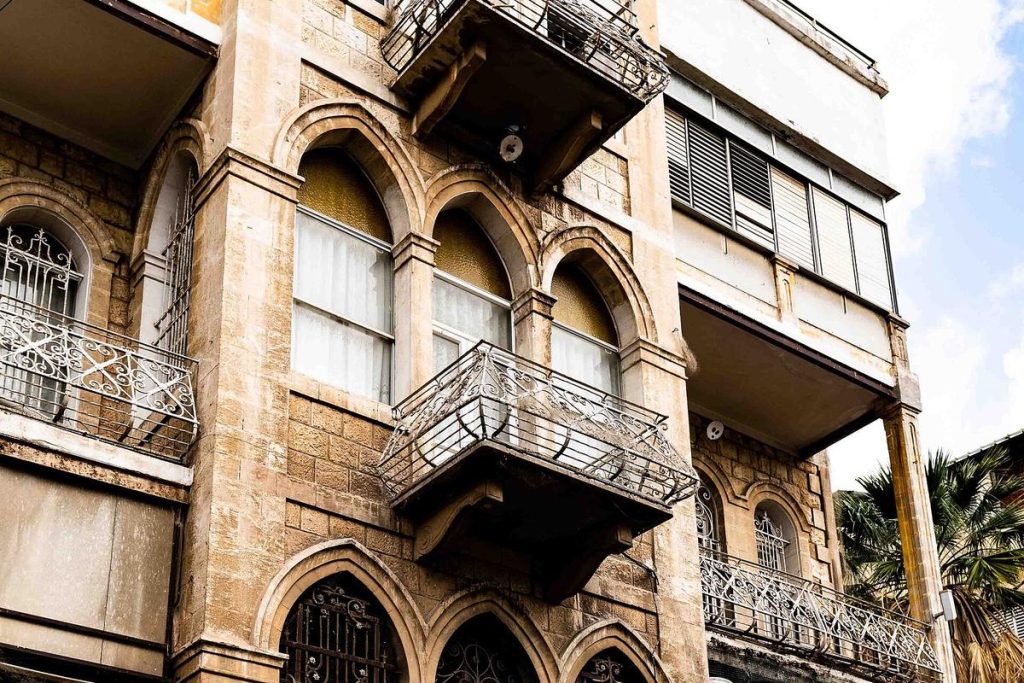
Jerusalem has specific characteristics that affect repair management. Older buildings, particularly in the Old City or historic neighborhoods, have thicker walls and aging pipes. Access to partition walls can be difficult, increasing intervention costs.
The municipal tax, arnona, varies by zone. In certain protected areas, municipal subsidies exist for facade or structural repairs. Inquire with the Jerusalem municipality. These aids can cover part of the costs if the building is classified.
Additionally, certain repair work in old neighborhoods requires a building permit. This applies if you must modify the structure or exterior appearance of the wall. Without a permit, you risk sanctions and the obligation to restore the site. Coordination with local authorities is essential. Verify the building’s status before starting work. This vigilance avoids unexpected costs and extended processing times.
Recovery: from assessment to the family court
If an amicable agreement fails, judicial proceedings begin. The first step is a formal demand for payment by a bailiff. This document formalizes the payment request and starts the statute of limitations clock.
Disputes between neighbors fall under the jurisdiction of the Jerusalem district courts. The family court may be involved for succession or custody issues, but real estate disputes between neighbors fall under civil courts. Statutes of limitations for claiming damages are set by law. They are short: do not wait. Act quickly after the damage is assessed.
The cost of proceedings varies depending on the value of the dispute. For moderate amounts, the small claims court is an option. It is faster and less expensive. The inspection report and invoices are key evidence. Without them, your claim risks being rejected. The process can last several months. This is why prevention and choosing the right inspection professional are essential.
Rental management and responsiveness in case of damage
Once the deed is signed, you cannot be on site to manage a leak on a Friday evening. Who receives the keys? Who finds the tenant? Who responds when a pipe bursts? That is the role of rental management.
Our team in Netanya handles operational aspects. We inspect properties, verify the condition of pipes and walls through an initial inspection. We find tenants and sign the shtar ‘hov. In case of a leak, we intervene immediately. We bring in a professional for the bedek bayit, coordinate the repair with the vaad bayit if necessary, and manage recovery from the tenant if it is their fault.
We do not leave the owner to manage emergencies alone. We document each step, send invoices, and follow files until resolution. This responsiveness protects your investment and prevents a leak from becoming major water damage. For more details on protecting your liability in case of hidden defects, read our article on Mamad new: protecting your liability against hidden defects in Israel. And to understand the owner’s responsibility in case of a pipe leak, consult Pipe leak in a building: owner’s responsibility in Israel.
Before buying an apartment in Jerusalem, verify the nature of the partition wall in the tabou and read the vaad bayit bylaws. These two documents determine who pays for repairs. Do not sign a lease without verifying the condition of the pipes through a professional inspection. This is the only way to secure your liability and avoid costly disputes with your neighbors.

Gestion locative en Israël pour propriétaires francophones. Bureaux à Netanya, 26 Dizengoff. Une question sur votre bien ? Écrivez-nous.