Lease Expired: Tenant Remains in Netanya Poleg Apartment
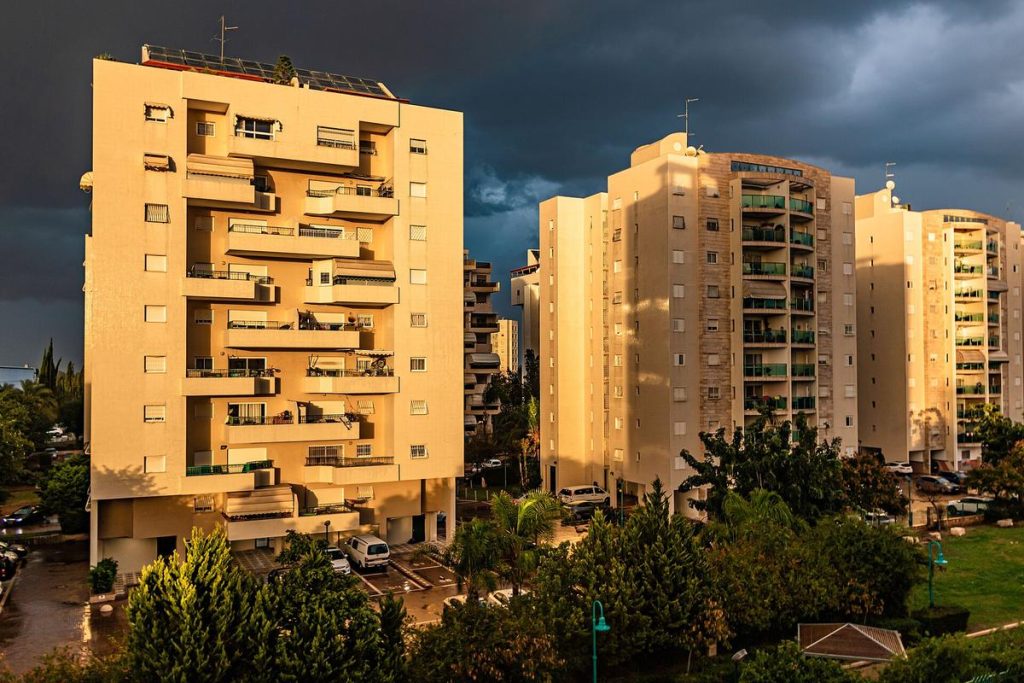
When a lease expires and the tenant remains in the apartment at Netanya Poleg, they do not become a squatter. The initial contract automatically converts to a month-to-month tenancy as long as no termination procedure has been initiated. To end this situation, you must notify the termination of the contract before the original expiration date. Without this written and provable notification, you are bound by the same financial and legal conditions as during the initial lease.
The legal status of a tenant remaining after lease expiration
Under Israeli law, the expiration of the end date listed in the contract does not automatically end the occupation if the tenant continues to pay and the landlord accepts the rent. Unlike the French system, where specific legislation strictly regulates renewals, the contractual relationship here extends through tolerance. The tenant remains a legal occupant, not an intruder. This distinction is crucial: you cannot act as if the premises were vacant.
The absence of an indefinite tacit renewal clause means that the initial contract, often for two years, technically dissolves, but a new tenancy relationship is created de facto. Each month that passes without a termination notice binds both parties. If you have stopped requesting rent or ignored delays, you risk being considered to have accepted a renewal.
The bedek bayit, or building inspection, plays a pivotal role. If the move-out inventory has not been signed or conducted, the tenant is in a gray area. They may claim the apartment was returned in a condition different from that noted at move-in. Without contradictory documentation, it is difficult to prove damage. We recommend formalizing this inspection with a professional as soon as the tenant signals their intention to stay, to document the condition before any future dispute.
Cumulative conditions for declaring the end of the tenancy
To end the tenancy, the notification is a unilateral act by the landlord. In Israel, this is not a request for renewal; it is a formal demand to vacate the premises. The legal deadline to be observed depends on the initial contract duration. For a two-year lease, the notification must generally be sent several months before the scheduled expiration date. This period allows the tenant to find new housing. If you do not meet this deadline, the notification is null and void.
Proof of the contractual relationship often relies on the shtar ’hov. This promissory note, signed by the tenant and sometimes by their guarantor, is not insurance but a recognition of debt. It proves the existence of the contract and the amounts due. If the shtar ’hov has been canceled or was never signed, proving the tenancy becomes more complex and relies on bank transfers and exchanged correspondence.
The notification must be clear. It must indicate the effective end date of the tenancy. This date cannot be earlier than the expiration of the initial contract unless you have negotiated an early exit. It must also mention the request to vacate the premises. The absence of these elements makes the letter ambiguous and contestable in court.
The notification procedure in Netanya Poleg
Netanya family courts require solid proof of notification. Sending an email or SMS is not sufficient to prove receipt. You must use a channel that leaves an indisputable trail. Certified mail with a return receipt is the standard method. Hand delivery against a signature is also accepted, but it requires the tenant to be present and willing to sign.
The precise location of the apartment is essential. In Netanya Poleg, there are many buildings, and door numbers can be confusing. The letter must mention the exact address, including the building number and the apartment unit. Any ambiguity regarding the address allows the tenant to deny receiving the notification for « their » apartment.
The minimum content of the letter includes three elements: the effective end date, the request to vacate the premises, and a reminder of restitution obligations. You must specify that the keys must be returned and that the apartment must be left in good condition. It is useless to threaten or insult. The letter must remain factual and legal. We prepare these letters in English and Hebrew to avoid any misinterpretation.
Managing a tenant’s refusal to leave
If the tenant refuses to leave after the effective end date, you are facing illegal occupation. Self-help is strictly prohibited. Cutting off water, electricity, or changing the locks exposes the landlord to criminal prosecution. In Israel, these acts are considered public order disturbances and can result in fines or prison sentences. Never do this.
The only legal path is the eviction procedure, via the family court. This is not a succession procedure, so the term tsav yerusha does not apply here. It is a standard tenancy dispute. The court will examine the validity of the notification and the condition of the premises. If the shtar ’hov was signed by a arev (guarantor), that person is jointly liable for the obligation to vacate and any unpaid rent. The guarantor can therefore be pursued for unpaid rent and damages.
This situation is frequent. If you find yourself in a similar case, particularly if the apartment is part of an estate, consult our article on the tenant who refuses to leave in an estate apartment in Israel. It details the legal specifics related to jointly owned property.
Charges and taxes during the transition period
While the tenant remains, charges continue to accrue. The arnona, the municipal housing tax, is paid to the Netanya municipality. It is due by the landlord on behalf of the building. However, most leases stipulate that this tax is passed on to the tenant. If the tenant stays beyond the lease, they must continue to pay this share. You must check the contract clause to confirm this allocation.
The vaad bayit, or association fees, cover the maintenance of common areas: elevator, security, and cleaning of walkways. These fees are generally shared among owners. If the tenant stays, they must pay their share, as stipulated in the lease. If the lease is over but they still occupy the unit, they remain liable for this share until their actual departure.
Energy consumption is due by the last occupant. The doud shemesh (solar water heater) and the mazgan (air conditioner) run on electricity. The tenant must pay the electricity bill until the date of key return. You must request a copy of the final bill to verify it was paid. If it was not, you can deduct it from the security deposit, provided you justify the amount.
Restitution of the premises and final condition
In Israel, there is no mandatory « technical inspection » as in France. The verification of the premises’ condition is done through a professional, often an electrician or plumber, or a certified inspector. This professional documents any damage and establishes a report. This report is not a regulatory certification but factual proof. It is used to justify deductions from the security deposit.
The case of the mamad (safe room) is specific. If the tenant used the mamad as a main bedroom, normal wear and tear of the walls and floor is acceptable. However, the destruction of the reinforced door or reinforcements is their responsibility. The mamad is a security room, not a simple bedroom. Its degradation compromises the building’s security.
Deductions from the security deposit must be justified by detailed invoices. You cannot deduct a flat rate. Each repair must be itemized by a quote or invoice. If the tenant disputes the amount, they can take the case to court. We advise you to obtain quotes before proceeding with repairs, to have proof of the necessity of the work.
Recourse to Netanya family courts
Tenancy disputes fall under the jurisdiction of the family court, not the civil court. In Netanya, the family court handles eviction requests. The procedure is expedited compared to other courts. Hearings are scheduled quickly, often within a few weeks. The court examines the validity of the notification and the condition of the premises.
The cost of the procedure includes court fees and attorney fees. These costs must be weighed against the risk of unpaid rent. If the tenant remains for several months without paying, the amount of unpaid rent may exceed the cost of the attorney. The court can order the payment of unpaid rent and procedural fees.
If you wish to anticipate the management of your property, our property management service handles the monitoring of deadlines and the preparation of notifications. We serve as the link between tenants and local authorities.
Preventing the situation at lease signing
Prevention is the best strategy. Drafting the termination clause is crucial. The contract must specify the consequences of non-departure: rent increases, penalties, and eviction procedures. A clear clause discourages the tenant from stalling.
Collecting the shtar ’hov is essential. This document secures the recovery of rent and damages. It must be signed by the tenant and, if possible, by a arev (guarantor). The choice of guarantor is decisive. Verify their solvency and the validity of their teoudat zeout (ID card). A fictitious or insolvent guarantor is useless.
The table below summarizes the key responsibilities at the end of the lease.
| Item | Primary Responsibility | Proof Document |
|---|---|---|
| Termination Notification | Owner | Certified mail return receipt |
| Arnona Payment | Owner (pass-through) | Municipal receipt |
| Vaad Bayit Fees | Tenant (if occupying) | Building administration invoice |
| Electricity Consumption | Tenant | Electricity bill |
| Damage Assessment | Owner (via expert) | Inspection report |
In case of a deadlock, do not contact the tenant by phone to threaten them. Draft a formal demand letter via certified mail, sent to the exact address in Netanya Poleg, and consult an attorney specializing in tenancy law to prepare the petition for the family court. The speed of the administrative procedure is your only advantage against a tenant who drags out the process.

Gestion locative en Israël pour propriétaires francophones. Bureaux à Netanya, 26 Dizengoff. Une question sur votre bien ? Écrivez-nous.