Local Property Taxes on an Inherited Home: The Deceased’s Debt in Israel
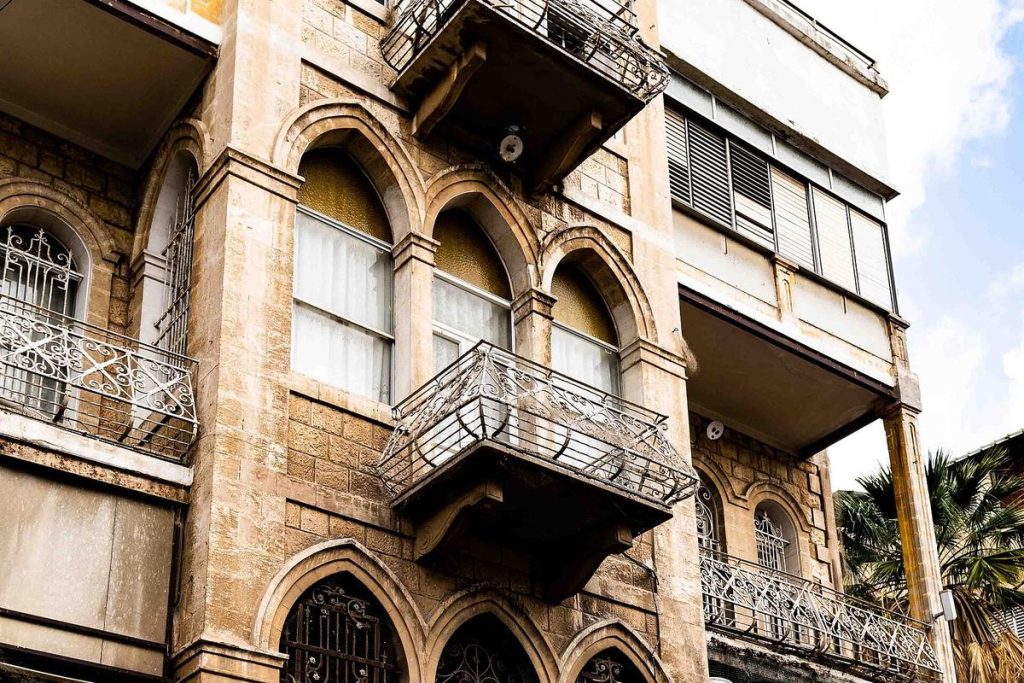
Local taxes continue to accrue on the property until the tabou is updated. Death does not suspend the arnona or the vaad bayit. Heirs must regularize the tax situation before any sale or rental, as the debt follows the estate, not the deceased person.
Transfer of Tax Debt Upon Death: The reshut ha-misim Rule
In Israel, the tax authority, the reshut ha-misim, does not treat real estate as a separate legal entity. Tax debt is attached to the estate. When the owner dies, unpaid claims do not disappear; they pass to the heirs, who become jointly liable debtors. Unlike in the United States, where certain procedures may temporarily freeze specific obligations, continuity is immediate here. The authority notifies heirs of arrears but does not place them on hold.
The difference from the American system is fundamental. In the US, the concept of probate or management by an executor can create an implicit grace period. In Israel, the silence of heirs does not stop the clock. If the deceased had unpaid local taxes at the time of death, these amounts become immediately due. The reshut ha-misim identifies beneficiaries via the central registry and sends a formal demand. Ignoring this notification does not avoid the debt; it generates late interest and penalties that are added to the principal.
We advise owners living abroad to check the property’s tax history immediately upon death. Do not wait for the end of the probate process. The debt already exists. If the deceased was behind on payments, the situation worsens each month. The role of the administration is to collect, not to negotiate by default. Heirs must assume the debt to prevent it from weighing on the future resale value or the ability to rent the property. This is a personal debt of the heirs, born from the acceptance of the inheritance, even if it has not yet been formally ordered by the court.
Legal Status of the Property Before the tsav yerusha Is Issued
Between death and the issuance of the inheritance order, the tsav yerusha, the property is held in co-ownership. No single heir holds the title of ownership. However, the obligation to pay current taxes does not depend on holding the formal title. Israeli law considers heirs responsible for managing the property during this period. Waiting for the tsav yerusha to pay the vaad bayit or the arnona is a costly mistake.
The main risk is the accumulation of penalties. The city hall and the building association bill in the name of the last registered owner. If this name does not change, reminders are sent to the deceased’s address or to known heirs. In case of non-payment, the association can suspend services or initiate legal proceedings. The city hall, for its part, can register a tax lien on the property. This lien renders the property unsellable until it is cleared.
We often observe heirs delaying payment, believing that the judicial process protects them. This is false. The judicial process determines who inherits, not who pays current bills. Heirs must pay taxes for the post-mortem period. If the property is rented, the tenant pays their charges, but municipal taxes remain the responsibility of the owners. If the property is vacant, the responsibility lies entirely with the heirs. You must identify which heir manages the property on a daily basis. This person must ensure that payments are made regularly. We recommend designating a single representative to manage these administrative aspects to avoid duplicates or oversights. Service continuity and regular payments are the only defenses against financial sanctions.
Arnona and vaad bayit: Continuity of Municipal Taxes
The Netanya city hall, like all Israeli municipalities, bills the arnona in the name of the owner registered in the tabou. Until the tsav yerusha is registered, the deceased’s name appears on the invoices. This creates an administrative discrepancy. Heirs must contact the city hall to report the death and request an update to the file. They must provide the death certificate and, often, a copy of the tsav yerusha or proof of co-ownership.
The vaad bayit, or building association, operates similarly but with more rigidity. Association fees cover the maintenance of common areas, water, and sometimes building insurance. The association does not recognize co-ownership as a reason to suspend payment. It requires full payment. In case of dispute, the association can go to court to obtain payment. The procedure is quick and inexpensive for the association, which makes legal action frequent.
To obtain a precise statement of unpaid amounts, heirs must request a « certificate of no debt » from the city hall and the association. This document is crucial before any transaction. It lists the exact amounts due, including interest. We emphasize checking the date of the last invoice. It is common for months to be missing or miscalculated after a change of ownership. The practical procedure is to send a written request by registered mail or via the city hall’s online portal. The response generally takes a few weeks. In the meantime, it is prudent to set aside estimated amounts to avoid any interruption of service. Transparency with local institutions is the key to avoiding surprises during the sale.
Impact on Sale: Verification of the tabou and Debts
When selling an inherited property, the buyer requires proof that the property is free of all debt. The Israeli notary plays a central role in this verification. They request a tax non-debt certificate and a non-debt certificate from the city hall and the association. Without these documents, the transaction is blocked. The buyer refuses to pay the price of the property if local tax debts remain, as these debts could lien the property after the purchase.
A concrete case illustrates this blockage. An heir wishes to sell their apartment in Netanya. The notary discovers that the arnona has not been paid for six months. The buyer proposes to deduct this amount from the sale price. The heir accepts, but the city hall requires full payment before lifting the tax lien. The notary refuses to sign the deed until the debt is settled. The transaction is suspended. The additional delay leads to notary and advertising costs.
To avoid this, heirs must settle debts before putting the property on the market. We systematically check the tax status of the property before proposing a sale. If arrears exist, we negotiate their settlement with the administration. The buyer, for their part, can require that the sale be conditioned on the presentation of these certificates. The tabou must be clean. Any registration of tax debt makes the property illiquid. The speed of regularization is therefore a factor of commercial success. A « clean » property sells faster and at a better price. Heirs must anticipate this point and not let debt accumulate. Verification by the notary is a mandatory, non-negotiable step in the sale process in Israel.
Renting the Inherited Property: Who Bears the Costs in Case of Prolonged Vacancy
If the property remains vacant for several months after death, must heirs pay the arnona? Yes. The arnona is a tax on property, not on occupancy. It is due even if the property is unoccupied. The distinction from the US is clear: in the US, property taxes are based on assessed value regardless of use, but there is no specific « residence tax » equivalent. In Israel, the arnona is due for any residential property, rented or vacant.
In case of subsequent rental, the situation changes. The tenant becomes responsible for usage, but heirs remain owners. The lease must specify who pays the arnona. In practice, it is often the owner, as it is a charge linked to ownership. The tenant pays water, electricity, and the vaad bayit if included in the lease. We draft leases to clarify this distribution. See our article on Renting an Inherited Property: Tax Justification in Israel to understand the tax implications of renting.
Prolonged vacancy presents a risk of deterioration. If the property is not maintained, heirs can be held liable for damages caused to neighbors or common areas. The vaad bayit may increase if urgent repairs are necessary. We recommend entrusting management to a professional to avoid this vacancy. Our property management service allows you to rent the property quickly, which generates income to cover charges. Renting is often the best way to reduce the cost of the estate. A vacant property costs money; a rented property generates it. The decision to rent or sell must be made quickly to minimize losses.
mas shevach and Accrued Interest: Calculating the Final Debt
The mas shevach, capital gains tax on real estate, is calculated on the difference between the sale price and the acquisition price. Unpaid local tax debts do not directly reduce the mas shevach, but they reduce the net sale price. If heirs must pay arnona arrears, this amount is deducted from the sale proceeds before calculating the capital gain. Late interest on these taxes is added to the debt.
The calculation method is simple but demanding. You must add:
1. Unpaid municipal taxes.
2. Unpaid association fees.
3. Accumulated late interest.
4. Any penalties.
This total constitutes the « real debt » of the estate. It must be paid before or during the transaction. If it is not paid, it becomes a personal charge of the heirs. The reshut ha-misim can seize other assets of the heirs to recover this debt. It is crucial to know the exact amount to plan cash flow. We help heirs establish this precise calculation. Transparency on the total cost is essential to make informed decisions. An heir who underestimates the debt finds themselves in a difficult financial situation. The calculation must be done with the greatest care, including all months of delay.
Appeals and Regularization: Dialoguing with the Administration
In case of cash flow difficulty, heirs can request a payment schedule from the reshut ha-misim or the city hall. This is not automatic. You must prove financial difficulty. The file must include proof of income and expenses. The administration can grant installment payments, but interest continues to accrue. This recourse is useful to avoid immediate seizure.
Challenging an erroneous invoice is possible via an administrative appeal procedure. You must write to the administration explaining the error. If the invoice is indeed erroneous, it will be corrected. If not, the appeal can be brought before the administrative court. This procedure is long and costly. We recommend checking invoices before challenging them. Calculation errors are frequent after a change of ownership.
The role of the tax attorney is crucial in negotiating the overall debt. They can negotiate the remission of part of the penalties or interest. They can also structure the sale of the property to minimize the tax impact. For owners who want to rent the property, see our article on Proof of Owner Quality: The Lease of an Inherited Property in Israel. Tax regularization is a step in property management. It should not be neglected. Open dialogue with the administration is often more effective than litigation. Cooperation is the best strategy to resolve tax disputes in Israel.
Never let the tax authority or the city hall chase you. Take the initiative to contact the relevant services immediately upon death to report the situation and request a precise statement of debts. Early regularization avoids tax liens that block the sale and protects the value of the transmitted estate.

Gestion locative en Israël pour propriétaires francophones. Bureaux à Netanya, 26 Dizengoff. Une question sur votre bien ? Écrivez-nous.