Mamad: Check for Construction Defects Before Signing in Israel
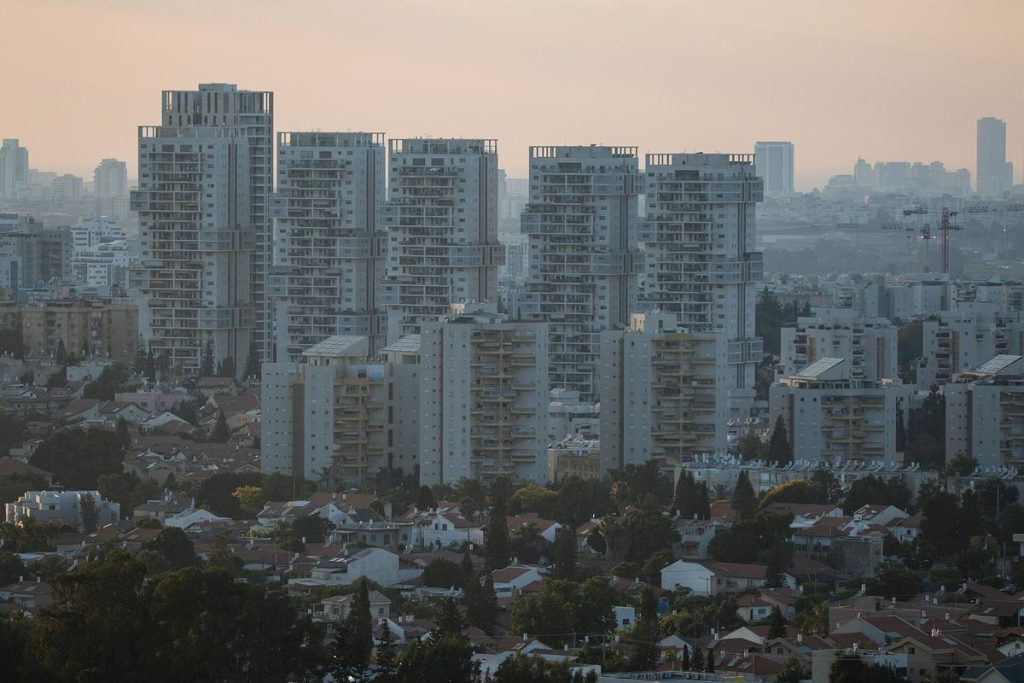
The mamad is not a simple annex: it is an integrated living space that must meet strict structural and administrative criteria before you sign. You must verify the permit compliance, the waterproofing of the slab, and the electrical capacity. The absence of usage inspections in Israel makes this verification your responsibility. We detail here the specific checkpoints to perform with a professional before sealing the deed.
The mamad as an integrated living space: legal framework and occupancy permit
The legal distinction between the secure room (mamad) and the common floor space (mamak) is fundamental. The mamak is a surface shared by all apartments on the landing, often not privatizable. The mamad, in contrast, is a private extension of your apartment, protected by a reinforced door. Before signing, you must confirm that the purchased surface corresponds exactly to the plan approved by the local civil engineering office. A divergence, even a minor one, between the cadastral plan and the physical reality can invalidate the compliance of the room.
The critical point is the final occupancy certificate. This document validates the transformation of the initial storage space into habitable surface. Without this certificate, the mamad remains a non-compliant technical zone, which exposes the owner to municipal fines and complicates any future resale. In the United States, the surface of annexes is often excluded from the calculation of transfer taxes. In Israel, if the surface of the mamad is compliant and declared, it is added to the taxable surface for the calculation of the mas rechisha. This difference directly impacts the cost of the acquisition. We verify the consistency between the initial building permit, the authorized modifications, and the tabou (land registry) to ensure that the surface is properly integrated into the title deed. Consult our guide to buy or sell in Israel to understand the tax impact of these surfaces.
Structural inspection: concrete, slab, and anchoring points
The structure of the mamad relies on mechanical constraints different from those of the rest of the apartment. The floor slab and load-bearing walls must support specific dynamic loads. The absence of usage inspections in Israel means that the buyer must hire a civil engineer themselves for this verification. A professional must detect microcracks in the slab and the walls. These cracks are not necessarily aesthetic issues, but they indicate subsidence or fatigue of the reinforced concrete.
If the mamad is elevated or suspended, the anchoring of the slings and metal supports is critical. A defect in welding or bolting can lead to a partial collapse. The check of the slab flatness at the junction with the hallway is also vital. A difference in level, even of a few millimeters, creates a point of water stagnation and a structural weakness. In the United States, usage inspections often cover the general condition of the property. Here, nothing replaces the targeted bedek bayit inspection focused on the structure of the mamad. We emphasize the necessity of having a qualified expert verify the integrity of the local foundations. If the mamad was added later without a permit, the structure may not comply with current seismic standards, a major risk that only an independent expertise can reveal.
Waterproofing and moisture management: the major risk of elevated rooms
Moisture is the number one enemy of the mamad. The protective membranes located under the slab and at the load-bearing points are the first lines of defense. A waterproofing test must be performed to verify the absence of leaks from the balcony or the exterior. Traces of mold on the opposite walls or the ceiling are not minor anomalies: they signal an active infiltration that deteriorates the insulation and any wood present. Ventilation is the second key factor. Most permits require adequate mechanical or natural ventilation for the closed room. In older constructions, this ventilation is often absent or insufficient, creating an environment conducive to condensation and odors.
There is no mandatory condition report or waterproofing certificate at the time of sale in Israel. It is the bedek bayit inspection at your initiative that must detect these hidden defects. Unlike in the United States, where the seller must provide specific inspections, here the burden of proof rests on the buyer. We recommend hiring a professional specialized in waterproofing to test the junction points. An infiltration not detected at the signing becomes your financial responsibility upon taking possession. Membrane repairs under the slab are costly and disruptive. Verify the absence of stains on the ceiling of the mamad and the smell of the air at different times of the day. If the mamad is used as a storage space before your move-in, the humidity is often higher, masking the problems. Consult our article on Parking as a Mamad: verifying its inclusion in the deed of sale to understand how other annex surfaces are treated legally.
Thermal and acoustic insulation: compliance of the mazgan
The mamad is exposed to external elements. The thickness of the insulation between the slab and the exterior space or the balcony must be sufficient to avoid thermal bridges. Insufficient insulation leads to overconsumption of energy. The verification of the mazgan (air conditioner) installation is therefore indispensable. The capacity of the heat pump must be sized to heat or cool this added surface without oversizing. An undersized system will not maintain the temperature in summer, while an oversized system will create frequent on/off cycles, reducing its lifespan.
The acoustic insulation of the partitions separating the mamad from the hallway and neighboring rooms must also be checked. The mamad is often used as an office or guest room. The noise of footsteps or conversations must remain confined. Local practice is clear: overconsumption of energy due to poor insulation directly impacts the association charges (vaad bayit) if the system is centralized, or the individual bill if it is autonomous. We verify the presence of a functional doud shemesh (solar water heater) if the mamad is used for hot water. Defective soundproofing can become a recurring neighbor conflict. We emphasize testing the mazgan in operation during the inspection. Listen to the noise level and verify the temperature achieved after one hour of operation. If the insulation is weak, the air conditioning costs in summer will be significantly higher than for the rest of the apartment.
Electricity and safety: the panel and the standards of the Electricity Authority
The main electrical panel must have been sized for the habitable surface including the mamad. An undersized panel creates a fire risk and frequent outages. The check for the presence of a specific differential circuit breaker for the secure room is mandatory for electrical safety. The inspection of the wiring must reveal the absence of exposed wires or non-compliant connections according to the standards of the Electricity Authority. In Israel, the absence of a standard identical to those in the United States requires specific verification of the circuit breakers and the circuit labeling by a licensed electrician.
Fire safety is an often neglected aspect. The mamad is a closed room, often without a direct emergency exit to the exterior. The presence of functional smoke detectors is crucial. We verify the capacity of the main circuit breaker and the presence of compliant ground outlets. Old or uncertified wiring must be replaced before moving in. The cost of bringing the system up to code can be high if the panel must be entirely renovated. We emphasize verifying the available power for the mamad. If you plan to install an office with multiple screens and a mazgan, the electrical load will be significant. An electrician must measure the voltage and the stability of the current. If the wiring is obsolete, we recommend budgeting for a specific renovation. Electrical safety is not negotiable. A compliance defect can lead to fines and, worse, accidents. We address this topic in our article on Mamad: verifying the building permit before purchase in Israel, where we detail the administrative requirements related to electricity.
Access, ventilation, and compliance with the occupancy permit
The width of the entrance door of the mamad must guarantee emergency evacuation and accessibility. A door that is too narrow prevents the evacuation of rescue services in case of fire and makes it difficult to move furniture. The check for the presence of a window or an adequate ventilation system is a condition often required by the civil engineering office for the transformation of the space. If the mamad is windowless, forced mechanical ventilation must be efficient to avoid asphyxiation and humidity. Compliance with the occupancy permit is the last administrative checkpoint.
The permit must explicitly mention the surface of the mamad as habitable surface. If the permit indicates a smaller surface, you are buying an undeclared surface. This situation creates a major legal risk during resale. We verify the consistency between the permit, the tabou, and the deed of sale. A divergence can invalidate the transaction or require costly regularization. The presence of a secondary emergency exit is a plus, but rare in standard mamad units. We emphasize verifying the ceiling height. Insufficient height can make the room uncomfortable and non-compliant with habitability standards. The permit must specify the exact dimensions. If the real dimensions are smaller than those of the permit, the taxable surface is reduced, which can be a tax advantage, but also a sign of structural non-compliance. We address these aspects in our article on Mamad: verifying the building permit before purchase in Israel. Administrative compliance is as important as technical compliance. A mamad non-compliant with the permit is a risky investment, as it cannot be legally used as habitable surface.
Post-signature management: keys, tenants, and emergencies
Once the deed is signed, daily reality sets in. Who receives the keys? Who finds the tenant? Who answers when a pipe bursts on a Friday evening? If you reside in the United States, you cannot be present to manage these situations. The handover of keys must be documented by a detailed report, including the condition of the mamad, the mazgan, and the doud shemesh. Finding tenants is a complex task. A well-insulated and compliant mamad is a major asset for attracting quality tenants, often expatriates or executives seeking a secure workspace. Emergency management is the most critical point. A leak in the mamad can damage the apartment below. An electrical failure can leave the tenant in the dark. In the absence of local presence, these situations become crises of communication and costs.
We strongly recommend entrusting rental management to a local professional. Our rental management service covers all these aspects. We manage tenant search, lease drafting, rent collection, and the management of vaad bayit. In case of emergency, we intervene locally, contacting artisans and technical services. You no longer have to manage phone calls or repair negotiations. This outsourcing allows you to protect your investment and guarantee tenant satisfaction. The mamad, well maintained and compliant, remains a stable asset. The key to success lies in daily management. We ensure this continuity, allowing you to monitor the performance of your property remotely, without operational stress. The signing of the deed is only the beginning. Management is what determines the real value of your asset.
Before signing the deed of sale, have a complete bedek bayit inspection of the mamad performed by an engineer and a licensed electrician. Verify the compliance of the building permit and the presence of the occupancy certificate. Do not neglect waterproofing and insulation: these are the most frequent expense items after moving in. If you reside abroad, associate this verification with a rental management contract to ensure the maintenance and rental of the property.

Gestion locative en Israël pour propriétaires francophones. Bureaux à Netanya, 26 Dizengoff. Une question sur votre bien ? Écrivez-nous.