Mamad Maintenance and Tenant Responsibilities in Israel
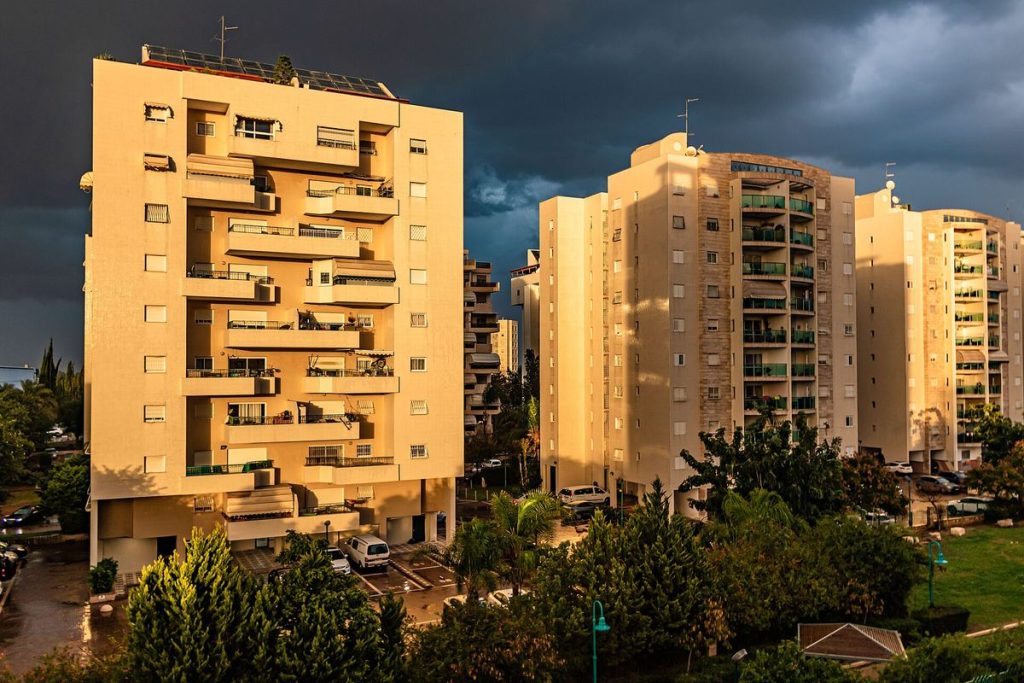
The owner is responsible for the structural integrity of the mamad, including the sealing of the walls, the compliance of the reinforced door, and the proper functioning of the integrated ventilation systems. The tenant is responsible for routine maintenance, such as cleaning the mazgan filters and maintaining the cleanliness of the locking mechanisms. In the event of damage due to improper use or a lack of ventilation, the financial burden of the repair falls to the tenant.
Checking seals and the reinforced door during move-in
The distinction between routine maintenance and structural repair is the basis of the rental relationship in Israel. The owner must deliver a mamad with a reinforced door and security window that ensure perfect sealing against both air and water infiltration. We recommend hiring a professional to perform a bedek bayit before signing the lease agreement. This inspection allows for precise documentation of the condition of the door seals and the absence of play in the locking mechanisms.
The move-in inspection must include a section dedicated to the specificities of the secure room. Unlike a standard room, the mamad contains heavy mechanical components where precision is vital. During move-in, we verify that the seals are not cracked and that the security window crank shows no abnormal resistance. If a defect is found, the owner must correct it before the tenant moves in to avoid future disputes regarding the cause of a failure. For more technical details, consult our article on mamad door maintenance in Israel.
- Verification of the compression of the reinforced door seals.
- Checking the smoothness of the security window crank.
- Examining the absence of oxidation on the locking mechanisms.
- Testing air tightness by fully closing the door.
Managing ventilation and air conditioning systems in the secure room
The mamad is an airtight room that depends entirely on its ventilation systems to remain habitable. The tenant has direct responsibility for the daily maintenance of this equipment. This includes regular cleaning of the mazgan filters installed in the room to prevent dust accumulation and mold growth. A clogged filter can lead to excessive electricity consumption and premature degradation of the unit, the repair of which would then be the tenant’s responsibility due to negligence.
The distribution of costs follows the lifespan of the components. The replacement of consumables and wear parts related to usage, such as filters or remote control batteries, is the responsibility of the tenant. Conversely, if the mazgan compressor fails due to age, the repair or replacement is the responsibility of the owner. The absence of a window in the mamad makes humidity management critical. A tenant who does not use the ventilation system properly may cause excessive condensation, damaging the walls and electrical equipment.
| Item | Tenant Responsibility | Owner Responsibility |
|---|---|---|
| Air conditioning filters | Cleaning and replacement | None |
| Compressor (Mazgan) | None | Repair in case of age/wear |
| Mechanical ventilation system | Proper usage | Structural maintenance |
| Batteries and remotes | Replacement | None |
Allocation of electrical maintenance and lighting costs for the mamad
The electrical installation of a mamad meets strict safety standards to ensure occupant protection. The owner must ensure that the interior installation is compliant and that emergency circuits, if present, are operational. We perform a compliance check of outlets and switches during the rental process. If a failure occurs due to a defect in the general installation or the failure of an old component, the owner finances the repair.
The tenant is responsible for maintaining elements related to daily use. This includes replacing light bulbs and protecting outlets against accidental shocks or overloads. Particular attention must be paid to electrical load management: using several high-power appliances simultaneously in a confined space can trip circuit breakers. If this overload causes an installation failure, the tenant may be held responsible for the electrician’s service call fees. As part of our property management, we systematically distinguish between equipment failure and installation failure to ensure billing is directed to the correct party.
Maintenance of seals and walls: preventing moisture infiltration
The integrity of the mamad walls is an obligation of the owner. If structural cracks appear in the concrete walls, they must be treated by a professional to maintain the room’s protective properties. These cracks may indicate building movement or a construction defect, and their repair is the owner’s responsibility. We monitor for these issues to prevent moisture from infiltrating the very structure of the secure room.
The tenant, for their part, must ensure that moisture does not settle on interior surfaces. Improper use of ventilation or drying laundry inside the mamad can cause damage to paint and wall coverings. In such cases, repainting is the responsibility of the tenant. The link between ventilation duct maintenance and wall health is direct: a duct clogged by dust or debris prevents the evacuation of moist air, creating a microclimate that is harmful to the apartment’s finishes. It is imperative that any sign of infiltration be reported to the owner immediately upon discovery.
The role of the vaad bayit in maintaining common security structures
There is a clear boundary between the private equipment of the mamad and the collective infrastructure of the building. The door and equipment inside the apartment fall under the responsibility of the owner or the tenant. However, collective ventilation ducts or reinforcement structures that pass through common areas are managed by the vaad bayit. If a structural security defect affects common ventilation, the building management must be contacted.
The owner may recover repair costs for common security infrastructure through building maintenance fees. If an intervention on a common ventilation column indirectly impacts the sealing of the mamad, the management of this issue must go through the vaad bayit. We invite you to consult our article on maintenance problems and the role of the vaad bayit in Israel to understand how to coordinate these requests. Any failure found in a common area must be formally reported by the owner or manager to engage the responsibility of the homeowners’ association.
Cases of damage related to intensive use or failure to follow safety rules
In the event of significant damage in the mamad, such as degradation of the door mechanisms due to excessive force or breakage caused by negligence, the owner may invoke contractual guarantees. The shtar ’hov signed by the tenant and their arev serves to guarantee the payment of repairs if the tenant does not assume them. It is important to note that the shtar ’hov is not insurance, but a debt collection instrument for documented material repairs.
Negligence can be defined by the failure to follow safety procedures, such as leaving the door partially open or using inappropriate tools to clean the reinforced door rails. If a dispute arises regarding the cause of a leak or damage, we proceed by requesting an assessment from an expert. This professional will determine if the problem stems from a structural defect (owner) or abnormal usage (tenant). This technical report is essential to justify the use of the shtar ’hov or to refuse a request for coverage by the owner.
- Visual observation of the damage by the manager.
- Commissioning a professional for a technical cause report.
- Formal notification to the tenant or their arev.
- Execution of work and billing according to established responsibility.
Impact of succession on the management of mamad maintenance
The transfer of real estate via yerusha (inheritance) does not suspend maintenance obligations. When an owner passes away, the heirs become responsible for the maintenance of the property, including the mamad, as soon as they are legally recognized. This transition is formalized by obtaining the tsav yerusha (probate order) issued by the family court. Until this order is produced, maintenance management can be complicated by the absence of a clear legal representative.
The continuity of technical maintenance contracts is a priority to prevent the property from degrading during the transition period. Heirs must take over the maintenance contracts for security and air conditioning systems. In the event of a security defect existing at the time of transfer, the new owner (the heir) inherits the responsibility to correct these defects. If the property is transferred via a tzava’a (will), the deceased’s wishes regarding property management must be respected, but they cannot override legal obligations for the safety and maintenance of the rented home.
Before renting an apartment containing a mamad, require a written report from a professional confirming the proper functioning of the locking mechanisms and the seals. This document, attached to the move-in inspection, protects the owner against claims related to age/wear and allows for the justification of using the shtar ’hov in case of damage caused by the tenant.

Gestion locative en Israël pour propriétaires francophones. Bureaux à Netanya, 26 Dizengoff. Une question sur votre bien ? Écrivez-nous.