Mamad Safety Compliance Certificate in Israel: Procedures and Verifications
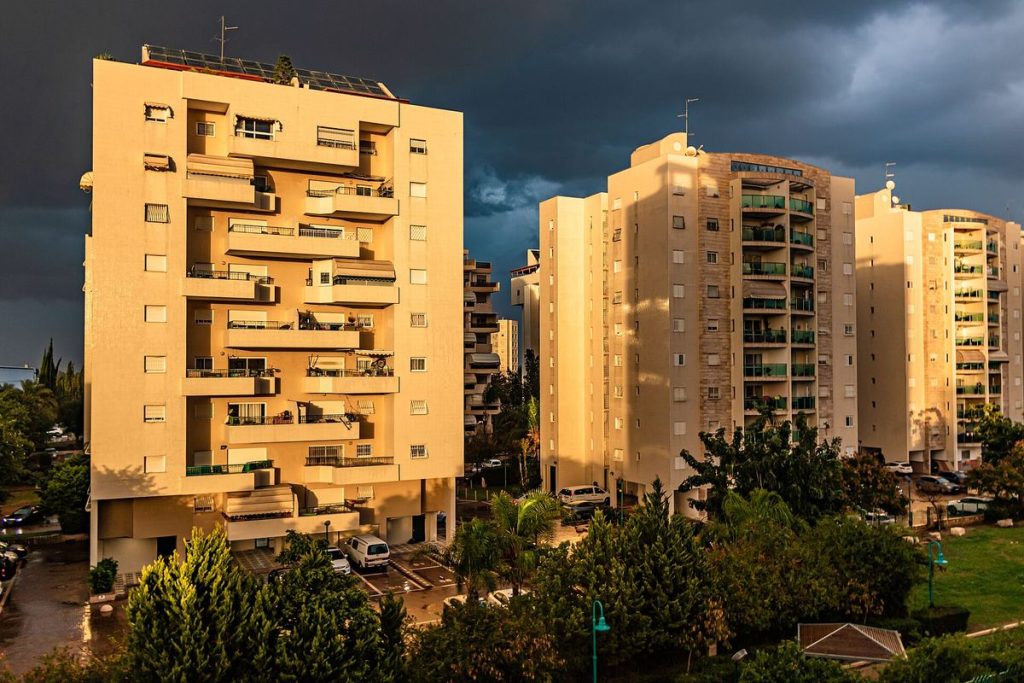
Obtaining a certificate of conformity for a mamad relies on validating that the actual construction matches the building permit plans filed with the municipality. This procedure requires consulting the Iriya archives, hiring an engineer to verify the reinforced concrete structure, and administratively regularizing any discrepancies. This document certifies that the secure room meets the civil protection standards required by the State of Israel.
Quick answer: A Mamad is a temporary dwelling in Israel, typically a small apartment or room rented for a short period. It serves as a transitional housing solution for individuals relocating, awaiting permanent housing, or in specific legal situations, and is distinct from permanent real estate ownership.
Verifying the mamad registration in the tabu and architectural plans
The first step is to compare the physical reality of the apartment with official documents. We consult the approved plans held by the municipal urban planning department, the Iriya. These documents indicate the exact location, dimensions, and intended function of each room. A mamad must be explicitly identified as a secure room to meet civil protection standards.
We then compare the actual dimensions of the room with the plans submitted when the building permit was obtained. Even a minimal discrepancy can invalidate the room’s compliance. We also verify the compliance of the armored door and specific windows, as these elements are inseparable from the secure structure. The land registry, the tabu, must reflect this configuration. If the tabu mentions a living area that does not correspond to the actual use of the secure room, an update is necessary.
In many countries, a room’s compliance is often linked to its specific use (such as a bedroom or living room) via performance control documents. In Israel, mamad compliance is a matter of structure and national security. There is no single document for « usage compliance » for a specific room; compliance is a technical validation of the room’s ability to protect its occupants during an attack.
Technical building inspection (bedek bayit) focused on the structure
To guarantee the reliability of the mamad, we recommend hiring a professional to perform a targeted bedek bayit. Unlike a general inspection, this approach focuses specifically on the structure of the secure room. We mandate a structural engineer to test the resistance of the reinforced concrete walls. The goal is to confirm that the thickness and density of the concrete meet safety requirements.
The inspection also includes checking the sealing of openings and verifying ventilation systems. A secure room without compliant air circulation quickly becomes unusable. We have a specialized expert certify the presence and proper functioning of security devices, such as reinforced locks and the closing mechanisms of the armored door.
This technical inspection serves as a solid documentary basis. In the event of a real estate transaction or a rental, the bedek bayit report justifies the technical condition of the property. For an owner looking to rent from abroad, having these technical reports limits the risk of future disputes regarding the safety of the home.
Using Iriya services to obtain the certificate of conformity
Obtaining the official certificate involves filing a request for a certificate of conformity with the relevant municipality. Iriya inspectors proceed with a verification based on the original building permits. They seek to confirm that the construction completed is strictly identical to what was authorized. If the inspector finds modifications, the owner must initiate a regularization procedure.
Managing discrepancies between actual construction and Iriya plans can be complex. If the room was enlarged or if unauthorized openings were created, the administration may require new plans or compliance work. In this process, the architect or engineer plays a technical role: they must compile the administrative file, produce as-built plans, and certify that the modifications do not alter the room’s protective function.
We verify the validity of building permits before any steps are taken with the Iriya. This step is crucial because an error in the original plans can block the issuance of the certificate for several months. Administrative compliance is an indispensable prerequisite for any sale or any modification to the municipal tax, the arnona, which is linked to the property’s surface area.
Impact of mamad compliance on mas shevach calculations
The compliance of the mamad directly influences taxation during the resale of the property. The mas shevach, the real estate capital gains tax, is calculated on the difference between the purchase price and the sale price. This calculation is based on the declared living area. If the mamad is not compliant or is not correctly declared in the tabu, the actual surface area may be questioned by the reshut ha-misim.
A non-compliant mamad can lead to a reassessment of the surface area by the tax authorities. This can result in taxation based on a larger area than is actually usable, or penalties for inaccurate declaration. We advise verifying the consistency between Iriya plans and tabu data to avoid these risks when declaring mas shevach.
While room compliance affects market value in many regions, the impact on capital gains tax is often governed by floor area rules. In Israel, the implication of structural compliance in taxation is direct: a non-compliant room may be excluded from the taxable living area or, conversely, trigger heavy tax regularization during a sale. Regularizing work before a sale helps stabilize the tax base.
| Control Element | Reference Document | Control Body |
|---|---|---|
| Structure and concrete | Engineering plans | Structural engineer |
| Dimensions and location | Building permit | Iriya (Municipality) |
| Ownership and surface area | tabou | reshut ha-misim |
| Security and openings | Civil protection standards | Municipal inspector |
Allocation of compliance costs between owners and heirs
The question of compliance costs becomes complex when the property comes from a yerusha. In this case, the management of regularization costs (engineers, taxes, work) must be decided by all co-heirs. We recommend using available funds from the estate to cover these expenses before the final distribution of assets. This prevents blocking the sale of the property due to disagreement over the financial burden.
Financial responsibility depends on when the non-compliance is discovered. If the anomaly is identified after obtaining the tsav yerusha (the inheritance order), the heirs who have already taken possession of the property may be held responsible for the regularization costs. The allocation must be recorded in writing to avoid disputes among family members.
Here is a typical breakdown of expense items during compliance work:
- Structural engineer fees for resistance testing.
- File fees and regularization taxes with the Iriya.
- Costs for masonry work or reinforcement of openings.
- Architect fees for updating as-built plans.
Managing the mamad within a secure lease agreement
For an owner, the compliance of the mamad must be explicitly mentioned in the lease agreement. This mention protects the landlord by specifying that the room complies with the security standards in effect at the time of signing. We also verify the condition of the mazgan and the electrical installations inside the secure room. A secure room must remain functional and autonomous.
The compliance of the secure room has a direct impact on rental value. An apartment with a perfectly compliant and maintained mamad is easier to rent and commands a higher price on the local market. However, the owner is obligated to maintain security devices, such as ventilation systems, in perfect working order. A failure in ventilation can make the room dangerous, which engages the landlord’s liability. To understand the technical details of these installations, consult our article on Mamad ventilation and compliance for renting in Israel or on Mamad air conditioning and renting in Israel: rules and constraints.
When drafting the contract, we advise listing the specific equipment present in the mamad. This allows for a precise definition of the tenant’s maintenance obligations and protects the integrity of the secure structure against any inappropriate use that could compromise its sealing or stability.
Before any purchase or rental of a property containing a mamad, always demand a copy of the building permit and compare it with the actual state of the room. Do not rely solely on verbal statements from the seller or the real estate agent. A bedek bayit performed by an engineer is the only technical guarantee of the structure’s security.
Frequently asked questions
What is the primary purpose of a Mamad in Israel?
The Mamad system provides temporary accommodation for citizens who are in the process of moving to a new permanent residence. It helps ensure that individuals have a place to stay during the transition period without needing to secure long-term housing immediately.
How does a Mamad differ from a standard short-term rental?
While both offer temporary living spaces, Mamads are often managed by specific agencies or municipalities and may be linked to social services or relocation programs. They are designed to be a bridge to permanent housing rather than a leisure or business travel option.
Can anyone rent a Mamad apartment?
Eligibility for a Mamad usually depends on specific criteria set by the managing authority, such as being in the process of relocating or meeting certain social or legal requirements. It is not generally available as a standard commercial rental to the public without meeting these conditions.
What is the typical duration of a Mamad stay?
The duration of a stay in a Mamad is usually limited to a few months, intended to cover the time needed to find and move into permanent housing. The exact length of the contract can vary depending on the specific circumstances of the tenant and the policies of the provider.

Gestion locative en Israël pour propriétaires francophones. Bureaux à Netanya, 26 Dizengoff. Une question sur votre bien ? Écrivez-nous.