Mammoth Upgraded to Code After Damage: Security in Israel
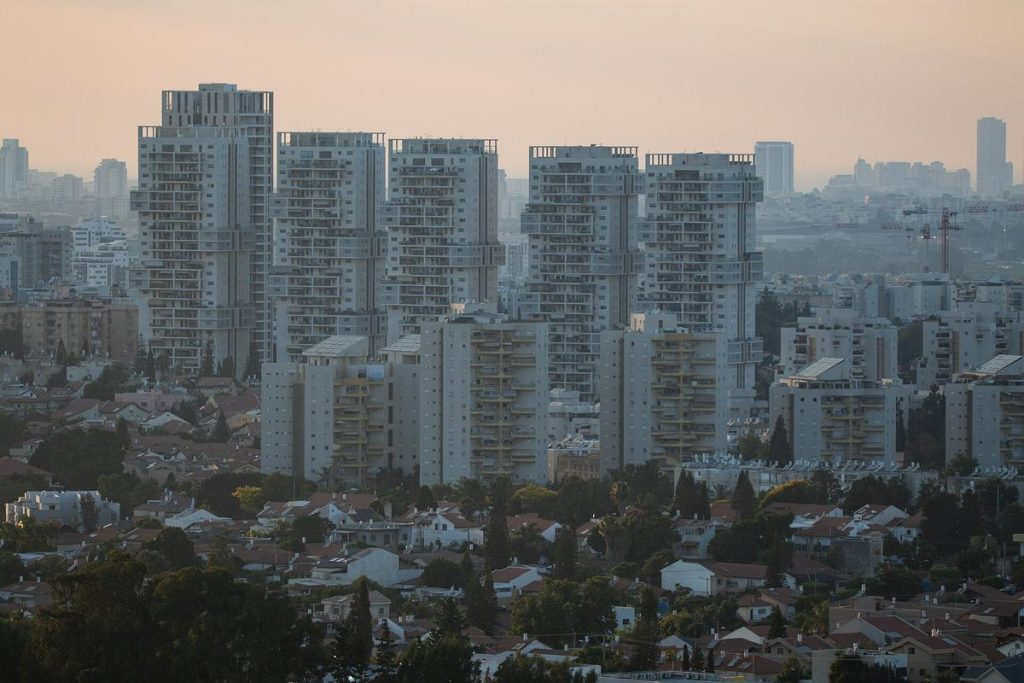
After a disaster, the mamad cannot be fixed with a simple coat of paint. It must regain its airtightness and fire resistance to protect the occupants. The owner must have the damage assessed by a professional, verify the compliance of the door and ventilation, and then handle the insurance. This process differs fundamentally from the US, where the focus is often on pre-lease inspections, whereas in Israel, proof of technical compliance takes precedence in the event of a dispute.
The role of the mamad in building safety and the owner’s obligations
The mamad is not a full shelter, but a temporary confinement room. Its function is to block the progression of fire and smoke until emergency services arrive. There are two levels of standard: the minimal standard, which applies to most apartments, and the reinforced standard, often required in high-rise buildings or specific risk zones. The distinction is crucial because the technical requirements differ, particularly regarding wall thickness and the type of ventilation.
If your apartment does not have an individual mamad, the building must be equipped with a common mamak on the floor. In this case, the verification of the quality of this collective space falls under the management of the building association and the co-owners. The owner does not have direct control over the maintenance of the mamak, but they must ensure that access to this space is not obstructed by their own belongings or those of their tenant.
Toward the tenant, the owner has an obligation to deliver a safe property. If the mamad is unusable after a disaster, the tenant can refuse entry to the premises or demand a reduction in rent until full restoration. This is not a simple matter of comfort, but of vital safety. In the US, the absence of a safety check before re-letting is a legal weakness. In Israel, there is no mandatory « safety inspection » in the American sense. However, a bedek bayit inspection performed by an expert constitutes proof of the landlord’s good faith. Without this document, the owner exposes their liability in the event of a new incident.
Identifying damages after a disaster: the bedek bayit inspection
The order of operations is strict. Before touching any part, you must bring in a structural engineer or a certified technician to assess the damage. This professional examines the structure of the mamad: the door, the windows, the ventilation system, and the walls. This is not a simple handyman, but an expert capable of evaluating the mechanical and thermal resistance of materials after exposure to fire or water.
It is essential to distinguish between damages caused by the disaster and normal wear and tear. If the door was already worn out before the fire, the disaster insurance will only cover the part related to the event. Wear and tear remains the owner’s responsibility. The professional’s report serves as the basis for two actions: requesting reimbursement from the insurer or engaging the liability of the neighbor if the disaster is of external origin (water leak, short circuit in the neighbor’s unit, etc.).
In Israel, unlike in the US, there is no « technical inspection » imposed by law for every rental. The bedek bayit report is not an administrative formality, but a legal reference. In the event of a dispute in civil or family court, this document determines whether the owner acted as a prudent person. If you want to understand who bears the cost of this compliance work, consult our article dedicated to Mamad: who pays for safety compliance in Israel?. The report must be precise, dated, and signed, as it will serve as a key piece of evidence in any legal case.
The mamad door: technical specifics and replacement
The mamad door is the most critical element. It must be a certified fire-rated door, designed to withstand heat and pressure. The opening system is specific: it must not block the evacuation of occupants, but it must allow the door to close hermetically under fire pressure. A standard entry door mechanism is not sufficient.
- Replace the handle and locking mechanism: these parts wear out quickly. If the handle melts or deforms, the door may remain stuck open or impossible to close, rendering the room useless.
- Check the airtightness of the seal: the rubber around the door must be intact. The slightest crack allows smoke to pass, which nullifies the protection of the mamad.
- Control the weight of the door: after a disaster, the door may have deformed. It must still be able to close with a single motion, without excessive effort.
In the US, people often speak of a « security door » for safety, which confuses burglary resistance and fire resistance. In Israel, the priority is fire and pressure resistance, not intrusion resistance. A standard security door is not a mamad door. To verify these points before re-letting, read our guide on Mamad door security in rentals: essential control points. The most frequent error is replacing a mamad door with a standard door, which constitutes a serious violation of safety standards.
Ventilation and filtration system: the critical point often neglected
Ventilation is the second pillar of the mamad. It must be able to be activated manually and automatically. After a disaster, you must verify that the air intake system works correctly. If the disaster involved smoke or fine particles, the air filters are probably saturated. Clogged filters no longer filter, and worse, they can let toxic smoke into the room.
The negative pressure test is indispensable. The room must remain at a pressure lower than that of the hallway or the outside. If the pressure is equal or higher, smoke will enter the mamad. This test is done with a manometer or a differential pressure measurement tool. In Israel, ventilation standards are strict and controlled by municipalities, but the owner must ensure that the system works before putting the room back into service.
A faulty ventilation system makes the mamad dangerous. It no longer protects; it traps. The owner must replace the filters and check the air circuit. If the system is automatic, you must test the smoke detection. If it is manual, you must ensure that the button is accessible and functional. This technical verification is more complex than simply replacing a door and requires the intervention of a specialist in HVAC or fire safety.
Insurance and indemnification: who pays for the mamad repairs?
The question of money is central. You must identify which insurance covers structural damages. The owner’s insurance generally covers the building, including fixed elements like the mamad. The tenant’s insurance covers contents, not the structure. If the disaster is caused by a neighbor, the latter’s liability insurance can be engaged. But the proof of damage must be established by the bedek bayit report mentioned above.
The insurance deductible may cover part of the costs. The owner must check the terms of their contract before starting work. If work is started without prior agreement from the insurer, the latter may refuse to pay. This is a frequent error. You must first obtain the insurer’s agreement, then bring in the professionals.
| Type of damage | Financially responsible party | Condition |
|---|---|---|
| Water damage (internal leak) | Owner (home insurance) | Damage assessed by expert |
| Fire (unknown cause) | Owner (home insurance) | Deductible applicable |
| Fire (external cause) | Responsible party (neighbor) | Liability proven |
| Normal wear and tear | Owner | No insurance covers wear and tear |
In Israel, insurance for common areas (vaad bayit) does not systematically cover damages to private mamad units. The mamad is part of the apartment, therefore an individual responsibility of the owner. This is a major difference with the US, where co-ownership insurance sometimes covers more broadly. The owner must therefore ensure that their policy covers the specific safety elements of their apartment.
Coordination with the vaad bayit and neighbors
Compliance work can be noisy and generate dust. It is imperative to communicate the work to the vaad bayit manager to avoid disturbances in common areas. Access to the mamad may require interventions in the hallway or on the facade, which concerns the neighbors.
If the disaster affected common areas (hallway, staircase), the repair falls under the vaad bayit. The owner must clearly distinguish what belongs to their apartment and what belongs to the building. A confusion can lead to undue costs. The manager must be informed of the exact nature of the work to plan access and minimize the impact on other residents.
In the event of a major disaster, such as a fire, the entire building may be temporarily condemned. In this case, coordination with emergency services and the municipality is essential. The owner must follow the instructions of local authorities. They cannot start work alone if the building is declared non-compliant. This coordination phase is often neglected by foreign owners, which delays re-letting.
Our property management service handles this coordination with associations and local authorities. We ensure that work is carried out in compliance with deadlines and standards, and that communication with neighbors is smooth. This avoids conflicts and accelerates restoration. For a remote owner, this on-site management is indispensable to avoid unpleasant surprises.
Recommissioning and final documentation
Once the work is finished, it is not enough to say it is « repaired ». Final documentation is required. The professional who performed the work must provide a certificate of compliance. This document attests that the mamad is again usable and compliant with safety standards. This certificate must be attached to the apartment file.
If the apartment is rented, this certificate must be communicated to the tenant. It proves that the landlord has fulfilled their safety obligation. In the event of a future dispute, this document is a legal protection for the owner. It shows that compliance work was done correctly and with certified professionals.
The owner must also verify that the mamad is accessible. Sometimes, repair work can obstruct access (storage of materials, etc.). Access must be free and clear. This is a simple but essential check. An inaccessible mamad is a useless mamad.
Finally, you must update the insurance. If the work modified the structure or equipment of the mamad, the insurance must be informed. An undeclared modification can invalidate coverage in the event of a new incident. This administrative update is often forgotten, but it is crucial for the financial protection of the owner.
Do not entrust the compliance of the mamad to a general handyman. Call upon a fire safety specialist for the bedek bayit inspection and work. The cost of a certified professional is less than the legal and human risk of a faulty mamad. In case of doubt about compliance, have it assessed by an expert before re-letting the apartment.

Gestion locative en Israël pour propriétaires francophones. Bureaux à Netanya, 26 Dizengoff. Une question sur votre bien ? Écrivez-nous.