Monitoring Your Vacant Apartment in Israel from France
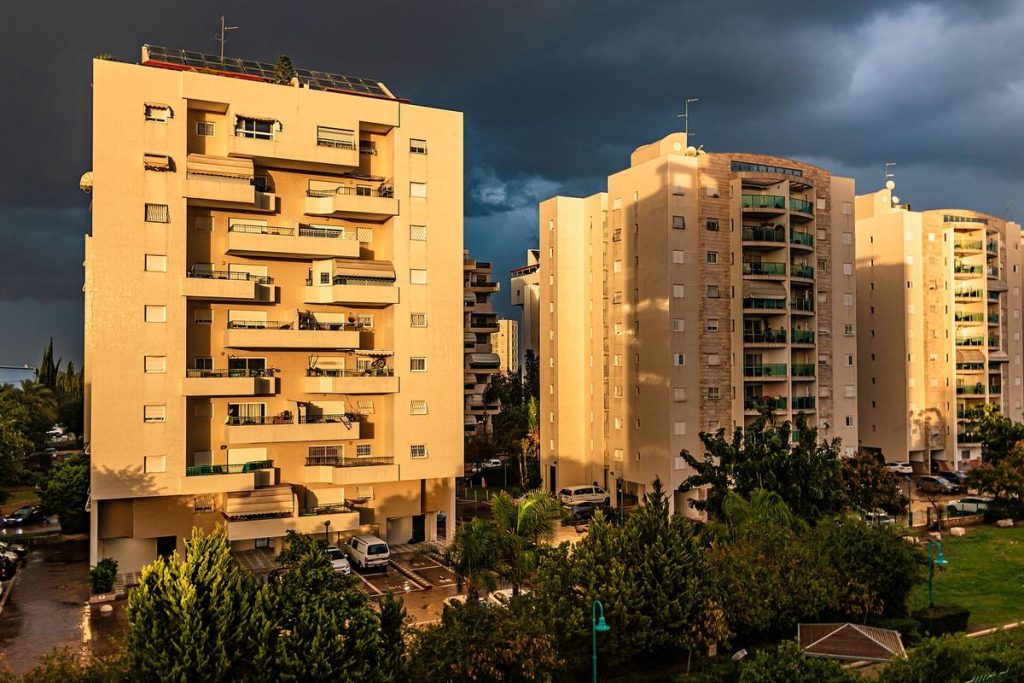
Monitoring a vacant apartment in Israel from the United States requires a hybrid protocol: technology detects intrusions, but only local physical inspections identify water damage or structural degradation. Prolonged vacancy exposes the property to specific risks, such as condensation or pest infestations, which simply holding a key cannot prevent. We establish an alert circuit via the vaad bayit and regular inspections to protect your investment.
The limits of remote monitoring: what technology cannot replace
Many American owners expect a security camera to cover all risks. In Israel, residential buildings are not legally required to install cameras in common areas, unlike the standards often seen in the U.S. You can install an interior camera, but it cannot see what happens under the doud shemesh, the solar water heater installed on the roof. A slow leak can ruin the ceiling of the top floor or the apartment below without the image showing anything unusual.
The primary risk of prolonged vacancy is humidity. In unfurnished apartments in Netanya, the lack of natural ventilation promotes condensation. A camera does not detect the smell of mold or the stain that appears on the plaster after rain. Physical access via key remains distinct from digital control. You can unlock the door remotely, but you cannot open the shutters to let air in.
Technology serves to detect intrusion or the presence of people, not the sanitary condition of the property. A motion sensor alerts you if someone enters, but not if a pipe leaks inside the wall. We clearly distinguish between security alerts, managed by home automation, and technical alerts, which require human intervention. This duality defines effective monitoring of a vacant property.
The role of the vaad bayit in detecting anomalies
The vaad bayit, or building management committee, is your first alert network. In Israel, it manages common areas, but it does not conduct individual security patrols. It is the manager’s job to act. However, the vaad bayit is informed first of major leaks from the building’s main plumbing. If your apartment is affected, the management must contact you.
For this to work, you must keep your contact information up to date with the vaad bayit. Many overseas owners ignore mail sent to the local address because they have not provided their email or mobile number. We update your file with the management upon taking over the property. We provide our local contact details, not yours, to guarantee immediate receipt of alerts regarding repairs or leaks.
Reporting a vacant property to the management is a crucial step. It limits your liability in the event of water damage caused by apparent negligence on your part. In the U.S., failure to report can aggravate fault. In Israel, it is a good faith practice that facilitates dispute resolution. The management can then organize a rapid intervention if a leak is suspected in your unit, without waiting for you to be informed through other channels.
| Alert Type | Source | Required Action |
|---|---|---|
| Intrusion | Camera / Sensor | Call police + Immediate inspection |
| Water leak | Vaad bayit | Shut off valves + Technical inspection |
| Common area works | Meetings / Mail | Verify impact on the property |
Managing energy and fluids during total absence
Leaving meters active on a vacant property generates unnecessary bills and risks. We arrange for the disconnection of electricity and gas via local providers. This operation prevents overconsumption and reduces the risk of fire related to a short circuit. However, a total cutoff is not always recommended.
Keeping the mazgan, the air conditioning unit, in dehumidification mode is a common practice in Israel. Unlike maintenance habits in the U.S., where everything is often turned off, here the system is left running for a few hours a day. This preserves the walls and hardwood floors from ambient humidity. Israeli air conditioning is often integrated into the ventilation system, making it a tool for property preservation, not just comfort.
Monitoring water pressure is essential. Leaks in Israel can originate from the building’s main pipe, not just your interior. We periodically check the water meters. Residual consumption while the property is empty indicates an invisible leak. We then have a plumber intervene to locate the source. This verification is more effective than a simple visual check, as it relies on factual data from providers.
Physical inspection by a professional: the bedek bayit
There is no mandatory « technical inspection » in Israel as there is in the U.S. The bedek bayit is a building inspection initiated by the parties, performed by a professional. For a vacant property, we organize a visual inspection quarterly or semi-annually. This is not an administrative formality; it is a condition report.
The report content is precise. The inspector checks the condition of the mamad, the secure room, often used as a safe or strongbox. They inspect window seals, potential entry points for water and pests. The proliferation of rodents or insects is frequent in vacant properties, as the absence of human presence allows populations to settle without disturbance.
We entrust this visit to a certified inspector who sends us a dated photo report. We do not settle for a simple phone call to confirm that « everything is fine. » The report documents the condition of the walls, floors, and installations. This traceability is essential to justify potential repairs and to reassure a future buyer. The inspection is an act of active protection, not a passive check.
Physical security and protection against intrusion
Physical security relies on the robustness of access points. We verify that the mamad has not been forced and that the roof windows are correctly locked. Locks must be in good working order. A door that does not close properly is an invitation to intrusion.
Homeowner’s insurance must cover the vacant property with a specific policy. The risk of intrusion and vandalism is often higher than for an occupied property. We verify that your policy accounts for prolonged vacancy. Standard insurance may refuse reimbursement if it discovers the property was empty without adequate supervision.
Key management is a critical point. We hand over the keys to a trusted local third party, such as a real estate agent or a building doorman. In case of loss or suspicion of intrusion, we proceed with a lock change immediately. This procedure is rapid and local. We do not depend on a U.S. manufacturer to send a new cylinder. This responsiveness is vital to secure the property.
Managing fees and municipal taxes during vacancy
Payment of the arnona, the municipal residence tax, is mandatory even if the property is empty. There is no reduction for vacancy in Israel. The arnona is based on cadastral value and surface area, regardless of occupancy. We verify that the property has not been revalued upward without reason. An unjustified increase can be contested with the city hall.
Monitoring vaad bayit invoices is equally important. We check for the absence of late payment surcharges or special fees related to building works. Common area fees cover the maintenance of shared spaces. Payment delays can lead to penalties. We ensure timely payment and keep the receipts.
This administrative management is distinct from rental management. Even without a tenant, financial obligations toward the municipality and the management remain active. We treat these payments as fixed costs of the property. Transparency on these costs avoids surprises during resale or rental. The owner must know exactly what they are paying and why.
Communication with the potential tenant or future buyer
The condition of the vacant property directly influences negotiation. A well-monitored and documented property is rented or sold more quickly. Inspection reports, fee receipts, and energy bills are grouped in a tracking file. This file reassures a cautious buyer or tenant.
Transparency on the history is a practice of trust. We inform the future occupant of any detected and repaired problems. This approach differs from the opacity sometimes observed in the rental market. In Israel, trust is built through proof. A complete file shows that the property has been maintained.
This file is a commercial asset. It demonstrates the rigor of the management. For a buyer, it is a guarantee of the property’s actual condition. For a tenant, it is proof that the owner is serious and responsive. We use this file during viewings to answer technical questions. Documentation is a negotiation tool, not just an administrative archive.
Errors to avoid and alerts to monitor
The classic error is leaving the shutters or blinds in a permanently closed position. This blocks ventilation and promotes mold on the walls. We regularly open the windows to air out the property. This simple action prevents costly damage.
City hall alerts are another point of vigilance. We monitor notices of public works or street repairs. These works can limit access to the property and justify an urgent inspection. If the street is closed, we organize a visit to verify that access to the building remains possible and that the works have not damaged the foundations.
The trap of negligence is the most dangerous. Ignoring minor anomalies leads to major problems. A minor leak can become a flood. A broken seal can become an infestation. Active monitoring consists of correcting problems as soon as they appear. We act before the situation deteriorates.
Monitoring a vacant property in Israel requires continuous local presence. Technology detects intrusion, but only physical inspection identifies technical risks. We manage this alert circuit for you, in liaison with the vaad bayit and local professionals. To secure your investment, consult our rental management or discover how to buy an apartment in Israel from the United States with peace of mind. If you have just acquired a property, consider transferring the title deed at the tabu to finalize your owner status.

Gestion locative en Israël pour propriétaires francophones. Bureaux à Netanya, 26 Dizengoff. Une question sur votre bien ? Écrivez-nous.