Neighbor Disputes in Israel: A Management Guide for Property Owners
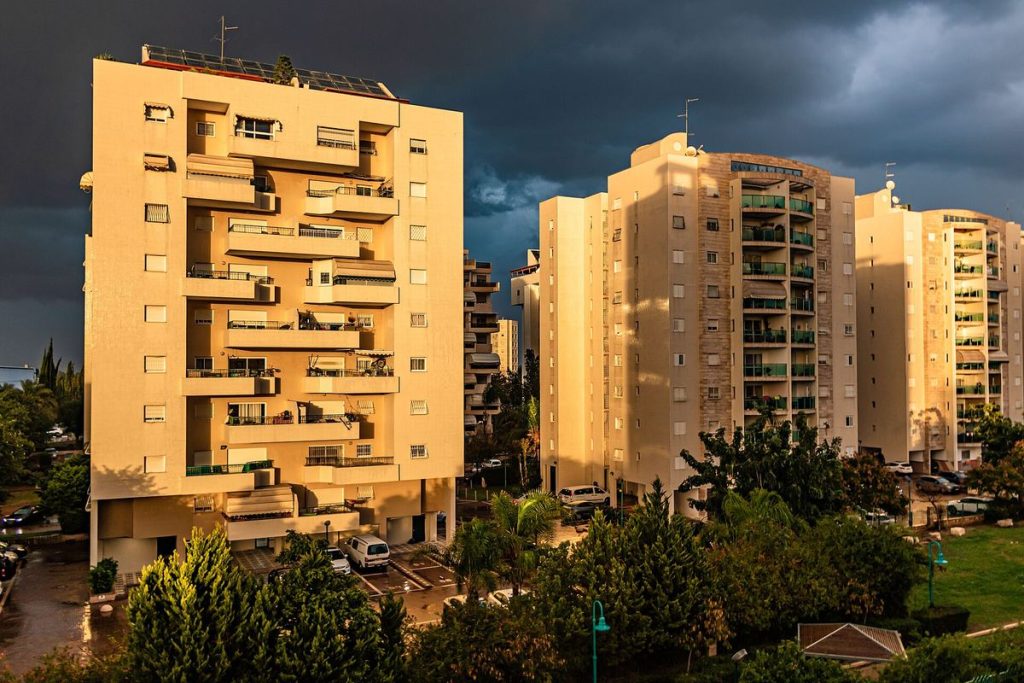
To manage a neighbor dispute in Israel, the first step is to identify the nature of the conflict: is it noise nuisance, structural damage, or a property boundary issue? Owners must first contact the vaad bayit for common areas or the local municipality for urban planning matters. In the event of material damage caused by a tenant, the shtar ’hov serves as the primary recovery tool, distinct from home insurance.
Quick answer: Effective management of neighbor disputes in Israel relies on clear communication and adherence to local municipal regulations. Owners should document issues thoroughly and engage in mediation before considering legal action.
Managing noise nuisance and the role of the vaad bayit
In Israel, the distinction between daily living noise and nighttime disturbance is based on building usage and regulations rather than strict decibel thresholds defined by a single national standard for all housing. Noises related to the use of the mazgan or standard domestic activities are accepted, but repeated disturbances during the night may require intervention. Unlike in the UK or US where local council bylaws or municipal ordinances are the norm, managing quiet in a building depends directly on the authority of the vaad bayit.
The vaad bayit is the homeowners’ association responsible for maintenance and the enforcement of building rules. If your tenant causes a nuisance in the common areas or exceeds the noise levels tolerated by the building, you must send a written report to the vaad bayit. The committee has the power to address the offending resident or suspend access to certain collective services if the building regulations allow it. We recommend keeping a written record of every complaint received to justify a potential lease termination for breach of community rules.
The tenant is contractually bound to the building regulations. When drafting the lease, we specify that compliance with vaad bayit rules is a condition for remaining on the premises. If the conflict persists, the owner must act to prevent their own liability being engaged by other co-owners. To avoid these situations, a Property Owner Visit in Israel: Essential Checkpoints allows you to verify from the start that the tenant has properly acknowledged the building rules.
- Reporting neighbor noise to the vaad bayit in writing.
- Checking building regulations regarding movement hours in common areas.
- Issuing a formal notice to the tenant in case of repeated neighbor complaints.
The impact of renovation work and the use of bedek bayit
Renovation projects are a frequent source of disputes. In Israel, authorized working hours differ from Western standards. Noisy work is generally permitted during the day, but neighborhood rules often impose limitations on disturbances to avoid hindering residents’ lives. Conflicts often arise from dust infiltrating neighboring apartments or the obstruction of common access points by construction materials.
If a neighbor undertakes work and you notice cracks or leaks in your apartment, do not rely solely on verbal discussions. We recommend having a professional expert verify the exact origin of the damage. This professional can determine if the degradation is due to excessive vibration, a structural modification, or poor management of construction water. This step is crucial before any legal action or insurance claim.
In certain complex cases, organizing a bedek bayit is necessary. This building inspection by a professional provides a technical assessment of the structure. Unlike a judicial expert report, a bedek bayit is a technical finding process that serves as a basis for negotiations between neighbors or with insurance companies. It allows for the distinction between an old construction defect and recent damage caused by a neighboring construction site. If the apartment has a mamad, particular attention must be paid to the integrity of the walls during heavy work in the building, especially regarding Mamad door maintenance in Israel: Key points of vigilance.
| Type of nuisance | Recommended action | Intervener |
|---|---|---|
| Dust and debris | Immediate report | vaad bayit |
| Structural cracks | Technical inspection | Professional / bedek bayit |
| Construction noise outside hours | Municipal complaint | Municipality / Police |
The involvement of the municipality and arnona in neighbor disputes
The municipality plays a regulatory role, particularly when a neighbor dispute is linked to the use of the property. A dispute may arise if a neighbor converts part of their home for commercial use without authorization, or occupies space not intended for them. In these situations, recourse to municipal services is the way to stop illegal occupation or usage that does not comply with approved urban plans.
There is an indirect but real link between property occupation, the payment of arnona, and neighbor complaints. The arnona is the municipal tax calculated based on the area and usage of the property. If a neighbor uses a balcony or terrace improperly for commercial activity or a surface extension, it modifies the arnona assessment. Reporting non-compliant use to the municipality can trigger a compliance check, which may resolve the neighbor dispute through urban regulation.
Disputes concerning outdoor spaces, such as balconies or private gardens, are common. In Israel, the boundary between private and common space is strictly governed by the building plans. If a neighbor degrades a balcony or installs unauthorized structures, the municipality can intervene to order restoration. For owners who wish to rent from abroad, it is essential to understand that the municipality is the reference authority for everything concerning building usage and the compliance of outdoor spaces.
Allocation of responsibility during a claim between two apartments
When water infiltration appears on a ceiling, the first step is identifying the source. Responsibility depends on the location of the origin of the damage. If the water comes from a break in common pipes or a waterproofing defect in the roof or a common balcony, responsibility lies with the vaad bayit. If the leak comes from a private installation, the owner of the apartment located above is responsible for repairs and damages caused.
We systematically proceed with a verification of the technical installations involved to avoid contrôle errors. A problem with a solar water heater (doud shemesh) or a leak in an air conditioning system (mazgan) can simulate a pipe leak. A technician must identify if the damage is related to the slab’s waterproofing or to specific equipment. This distinction is vital to determine who must pay the repair bill and who must compensate the aggrieved neighbor.
The damage assessment procedure must be rigorous. Once the source is identified, both parties must document the damage with photographs and, if necessary, a professional report. This report will serve as the basis for initiating repairs. If a tenant is at fault, the owner must ensure that repairs are carried out quickly to avoid aggravating the situation, which could lead to additional claims for damages.
Legal security through the tabu and property documents
Some neighbor disputes do not concern nuisances, but physical boundaries. A neighbor may claim that a fence, a wall, or a terrace extension encroaches on your property. To resolve these disputes, the only authoritative document is the tabu (the land registry). The tabu precisely defines property boundaries and the rights attached to the land.
Recourse to the land registry allows for the verification of rights of way or easements that might be invoked by a neighbor. For example, a neighbor may claim a right of way over your land to access their garage. Only consulting official documents at the tabu can confirm or deny this claim. In case of doubt regarding a shared wall, we recommend requesting a precise cadastral survey to compare the reality of the ground with the recorded data.
It is crucial to distinguish property rights from usage rights in collective buildings. An owner possesses their apartment, but they do not own the air or the view, and their usage rights are limited by the rights of other co-owners. A dispute over a view or sunlight is complex because, unlike in some other jurisdictions, the rules for shared walls and views in Israel follow specific land law principles. Verifying the architect plans filed in the registry is the most reliable method to resolve these disagreements.
Management of financial guarantees in case of neighbor degradation
If a tenant causes damage to neighbors (excessive noise, degradation of common areas, water leaks due to negligence), the owner may find themselves on the front line for claims. To protect themselves, we use the shtar ’hov. This promissory note, signed by the tenant and often a guarantor, is a formal acknowledgment of debt. It is not insurance, but a direct financial commitment from the tenant to the owner.
The role of the shtar ’hov is to allow for the recovery of restoration costs or penalties imposed by the vaad bayit. If a neighbor dispute results in repair costs for common areas or damage in a neighboring apartment, the owner can use this document to demand payment of the sums owed by the tenant. The recovery procedure consists of presenting the amount of the documented damage and claiming payment based on the acknowledgment of debt signed upon move-in.
It is imperative to distinguish home insurance from the shtar ’hov. Insurance covers accidents and unforeseen claims, but it does not necessarily cover wrongful behavior or damage caused by non-compliance with neighbor rules. The shtar ’hov is a payment guarantee for contractual breaches and degradations. By combining solid home insurance with a correctly calibrated shtar ’hov, the owner secures their management against the risks of neighbor disputes.
In the event of a neighbor dispute, do not attempt to resolve the problem through direct confrontation. Document every incident, contact the vaad bayit for common areas, and always involve a professional for material damage to obtain an indisputable technical report.
Frequently asked questions
What is the first step when a neighbor dispute arises?
The initial step is to have a calm and direct conversation with the neighbor to express your concerns clearly. It is often helpful to reference specific local bylaws or building regulations to ground the discussion in objective standards rather than personal opinions.
How do Israeli municipal regulations affect property disputes?
Municipal bylaws set specific limits on noise, construction, and shared space usage, which serve as the primary reference points in most conflicts. Understanding these local rules helps property owners determine if a neighbor’s actions are actually a violation or simply a difference in lifestyle.
When should a property owner consider legal action?
Legal proceedings should generally be considered only after informal resolution attempts and mediation have failed. It is advisable to consult with a local attorney to review documented evidence and ensure that all prior steps were taken correctly before filing a claim.
What role does mediation play in resolving these conflicts?
Mediation provides a structured environment for both parties to negotiate a compromise without the cost and stress of a court trial. Many communities in Israel utilize local mediation services to help resolve recurring issues like parking or noise efficiently.

Gestion locative en Israël pour propriétaires francophones. Bureaux à Netanya, 26 Dizengoff. Une question sur votre bien ? Écrivez-nous.