Penthouse Roof in Israel: Shared or Private Repair Costs?
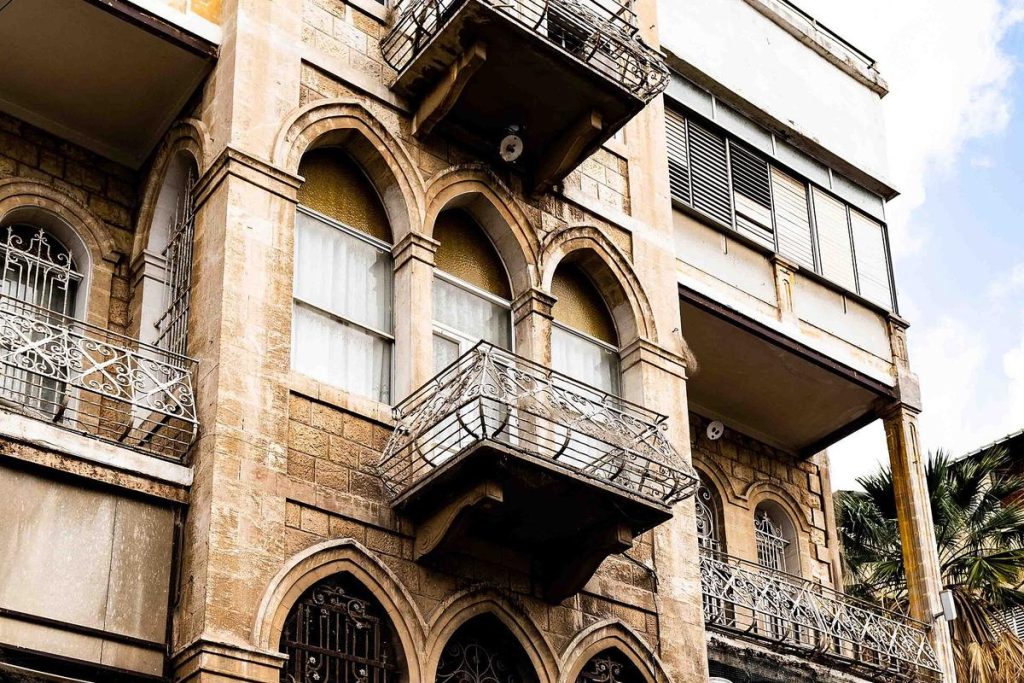
In Israel, a building’s roof is almost always a common asset, even if you purchase the top floor. Renovation costs are shared among all co-owners according to the building’s bylaws, not borne exclusively by the penthouse owner. You must verify if work has already been approved and whether your share is calculated by square footage or by unit before signing the deed.
Check the roof condition before signing the deed
The Israeli sales deed does not protect against physical wear and tear of the building. The seller is not legally required to certify the condition of waterproofing membranes or the roof structure, unless a specific clause states otherwise. If you buy a penthouse, you are the first to experience leaks, but you are not the only one paying for repairs. Before finalizing the contract, hire an independent professional to inspect the roof. Do not rely on the assessment provided by the seller, which is often partial or biased.
The inspection must distinguish between two types of defects. Cosmetic repairs, such as painting gutters or replacing a few tiles, fall under routine maintenance. Structural renovation, involving the replacement of waterproofing membranes or reinforcing the roof frame, is a major project. The latter requires a general assembly and a specific budget.
Consult the documents of the vaad bayit (the co-owners’ association). Search the minutes of general assemblies from recent years. If a vote has already approved roof work but the work has not been carried out, the debt is established. As a future owner, you inherit this payment obligation. If no vote has taken place, you must assess the risk of the vaad bayit voting to increase fees to finance these works upon your arrival. This verification is the only way to avoid an immediate budget surprise after the purchase.
The legal status of the roof in a building with a vaad bayit
Under Israeli law, the distinction between private and common parts relies on the function of the element, not its location. The roof, as a structural element protecting the entire building, is presumed to belong to the co-ownership. This is a major difference from the United States, where flat roofs on the top floor can sometimes be the exclusive property of the last unit, creating ambiguity regarding maintenance costs.
Here, unless there is a very specific contrary clause in the property deed (the tabou or sales deed), the roof is a common asset. The penthouse owner does not have exclusive property rights over the materials covering their apartment. They have a right of use, but maintenance and repair are the responsibility of all co-owners.
Check the co-ownership bylaws. Some buildings provide special rights for the top floor, for example, exclusive use of a terrace. In this case, the bylaws may impose an increased financial contribution from the penthouse owner for the maintenance of this specific area. If the bylaws are silent, the general rule applies: the roof is common. This clarification is crucial because it determines who must vote on the work and who must pay. If you think the roof belongs to you because it is above your living room, you are mistaken. You are a user, but the vaad bayit is the owner. This legal distinction avoids disputes over leak liability and repair financing.
Calculating the share of responsibility in renovation work
The distribution of roof renovation costs does not follow a single rule. It depends on the building’s bylaws. The most common method is distribution by living area (square meters). In this case, your share is proportional to the size of your apartment relative to the total area of the building. If your penthouse is larger than the others, you will pay a larger share.
Another method, less frequent but possible, is distribution by number of units. Each apartment counts as one unit, regardless of its size. It is essential to read the bylaws to know the applicable method. Do not assume that the distribution is equal across all floors.
The penthouse may have specific additional costs. If your apartment has a pergola, a private terrace, or direct access to the roof, the bylaws may provide for an additional contribution for the maintenance of these elements. Ask the manager for a numerical estimate of the share due by the top floor for foreseeable maintenance cycles. This calculation must include structural work and routine maintenance.
| Distribution Method | Calculation Base | Impact on the Penthouse |
|---|---|---|
| By Area | Livable square meters | Higher share if the apartment is spacious |
| By Unit | Number of apartments | Equal share with other owners |
| Specific | Use of common areas | Surcharge for terrace or pergola |
This transparency allows for precise budgeting. Without this information, you risk underestimating your annual contribution to co-ownership fees.
Pitfalls of the sales deed: clauses and reservations
The sales deed is the main tool to secure your financial position. Do not sign a standard deed without specific clauses. Insert a suspensive condition related to the roof’s condition. The sale must be suspended if an inspection reveals the need for major work not approved by the vaad bayit. This gives you the right to withdraw from the purchase if the cost of imminent work is too high.
Negotiate a reduction in the purchase price. If work is imminent and its cost is known, the share that will fall on you within five years must be deducted from the price. This is a direct negotiation, not a favor. The seller must accept this discount because they are transferring a short-term payment obligation.
Require a compliance certificate issued by a state-licensed engineer. A statement from the manager is not sufficient. The engineer must certify that the structure is sound and that the membranes are in good condition. This document has legal value. In case of future dispute, it proves that the condition of the property was known and validated at the time of sale. Without this certificate, you are buying blindly. These clauses protect your investment and clarify responsibilities from the start.
Interaction with the arnona and cadastral value
Roof renovation work has a tax impact. The arnona, the municipal residence tax, is calculated based on the cadastral value of the building. If the renovation increases the perceived value of the property, the Netanya municipality may revise the arnona calculation base upward. This results in an increase in your annual tax.
Check if the work has been declared to the municipal authorities. If the seller made undeclared modifications, the municipality may impose a retroactive regularization. This fine will fall on your account once the deed is signed. Require proof of the work declaration. If no declaration has been made, negotiate an indemnity to cover this tax risk.
The cadastral value is also a factor in the calculation of the mas shevach (capital gains tax) upon future resale. A new roof can increase the building’s value, which reduces the tax-exempt portion of the gain. Factor this impact into your return projection. Renovation is not tax-neutral. It modifies your local tax burden and your future taxation.
Post-purchase claims: limits of seller liability
In Israel, the window for claiming hidden defects is short and strict. Once the deed is signed, it is difficult to return to the seller for structural problems appearing a few months later. The seller’s liability is limited to the condition of the property at the time of sale. They are not responsible for roof degradation suffered after the transaction.
The co-ownership’s liability is distinct. The vaad bayit manages common funds. If the roof leaks due to a lack of maintenance by the manager, the co-ownership must pay, not the seller. But if the roof was already degraded at the time of sale and you were not informed, you can hold the seller liable. However, proof is complex.
Plan for a retention mechanism. A portion of the sale price remains blocked in an escrow account. This sum is released to the seller only after the roof work is accepted by an independent third party. If leaks appear in the first few months, you deduct the repair cost from this retention. This is concrete protection. Without this mechanism, you must sue the seller, a long and costly process. This clause is negotiable and must be included in the deed.
Specifics of the mamad and penthouse outdoor spaces
The penthouse presents particular technical complexity. The roof structure is common, but the technical installations fixed to it may be private. The mamad (safe room) is a structure integrated into the apartment, but its roof is often the same as the building’s. Repairs to the structure are the responsibility of the vaad bayit.
Equipment such as the mazgan (air conditioner) or the doud shemesh (solar water heater) is the property of the owner. If a doud shemesh pipe crosses the common roof, the repair of the pipe is at your expense, but access to the roof to perform the repair may require the vaad bayit‘s consent. Check the ownership of ventilation ducts and pipes. If they belong to the building, repairs are collective. If they belong to your apartment, they are private.
This separation of costs is crucial. Structural repairs are the responsibility of the vaad bayit, while penthouse equipment is the responsibility of the owner. In case of a leak, the origin must be identified: structure or equipment. A professional must make this distinction. Do not assume that everything above your apartment is your responsibility. The boundary is legal and technical. A misidentification can make you pay for work that belongs to the co-ownership, or vice versa.
Rental management and follow-up after purchase
Once the deed is signed, operational reality begins. You are a remote owner. Who receives the keys? Who finds the tenant? Who responds when a pipe bursts on a Friday night? These questions are not theoretical. If you are in the United States, you cannot intervene physically. The roof, though common, directly impacts your property. An untreated leak can damage your interior.
Rental management in Israel requires local presence. We manage the relationship with the vaad bayit and tenants. We monitor the condition of the property and coordinate interventions. If a leak occurs, we bring in a professional to assess the damage and hold the vaad bayit or the insurer liable. We do not let the situation worsen.
To understand the details of financing these works, consult our article on Paying your share of roof work for an empty penthouse in Israel. Equipment management is also a frequent source of dispute. Discover who repairs the central air conditioning of the penthouse between tenants to avoid conflicts. For the legal aspects of the transaction, our guide to buying or selling in Israel details the key steps. We ensure continuity of management and protection of your investment.
Before signing, require a copy of the minutes of general assemblies from the last three years. Specifically look for votes related to the roof. If work has been voted on but not carried out, the debt is already established and you will inherit it. Do not accept a verbal promise from the manager to « manage » the situation; require a written clause in the sales deed specifying the seller’s assumption of this debt or a price discount.

Gestion locative en Israël pour propriétaires francophones. Bureaux à Netanya, 26 Dizengoff. Une question sur votre bien ? Écrivez-nous.