Penthouse Terrace Access: Rental Management in Israel
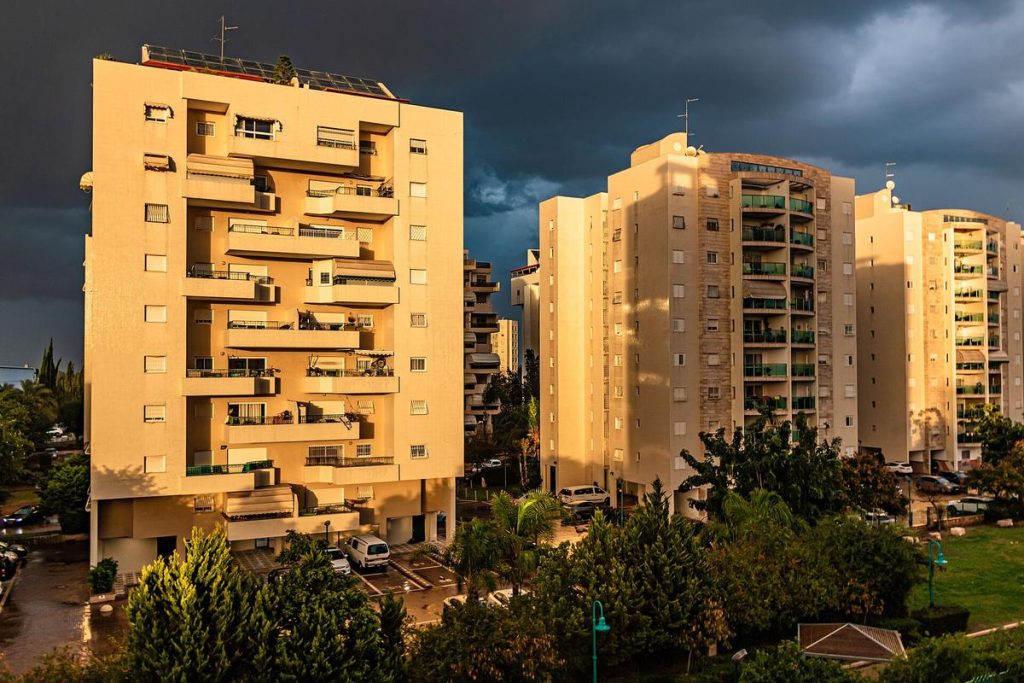
Managing keys for a penthouse with a terrace in Israel relies on a strict separation between access to the apartment and common exterior areas. The tenant has no right to create their own access points or modify the lockwork without written consent. The security of the terrace, often connected by a fire door or a gate, must be verified during the move-in inspection, as the responsibility for the glazing and locking mechanisms lies with the owner. We manage key handovers through a formal process, not a simple drop-off in a mailbox, to avoid any disputes regarding access to the private space.
Fundamental difference: terrace access is not an automatic right
- In Israel, a private terrace is often considered an integral part of the real estate unit, but access to it passes through the building’s common areas (hall, staircase). The tenant is only entitled to the access necessary to reach their terrace, not to the exclusive use of common areas.
- Unlike in the United States, where terrace usage might be implied in a lease if attached, Israeli law requires that the apartment description in the lease explicitly states the existence of the terrace and the conditions of its access. Without this mention, the tenant can contest exclusive usage.
- Check the tabou (land registry) to confirm that the terrace is included in the private area of the unit and not in the building’s common areas. This verification avoids conflicts with the vaad bayit regarding the use of the space.
- If the terrace is accessible via a common exterior staircase, the tenant cannot install a lock or personal code on the door leading to the terrace without the written consent of the owner and the co-ownership council. Any modification to the lockwork must be reported in writing.
The role of the mamad and interior security
- The presence of a mamad (secure room) in the penthouse is a major security element. Tenants must be informed that access to the mamad is strictly personal and that any copy of a key or code must be reported to the manager in case of loss.
- The door of the mamad must be inspected during the move-in inspection to verify the condition of the latch and lock. A bedek bayit (professional inspection) can be requested if the tenant reports a malfunction, but this is not a legal obligation of the owner, unless negligence is proven.
- Unlike mandatory technical inspections in some jurisdictions, there is no compulsory « security check. » It is the owner’s responsibility to have the condition of the locking systems verified by a professional. We recommend having the locks of the mamad and the main entrance door checked before handing over the keys.
- If the penthouse has a mamak (protected common space on the floor) instead of a private mamad, access is shared with neighbors. The tenant cannot install an additional lock on the mamak door without the consent of the vaad bayit.
Key handover: the formal procedure and the shtar ‘hov
- Key handover is never done by simple deposit. It must be accompanied by the signature of the shtar ‘hov (promissory note) and the lease agreement. This document certifies that the tenant has received the keys and accepts the access conditions.
- The shtar ‘hov is signed by the tenant and their arev (guarantor). It is not a bank guarantee, but a signed acknowledgment of debt. Handing over keys before the signature of the shtar ‘hov creates a major legal risk for the owner.
- In Israel, there is no administrative « key handover » (with a certified real estate agent). It is a private transaction between the parties. We organize a physical meeting where the tenant tests each access point: main entrance door, mamad door, and terrace access. This on-site verification is crucial because the shtar ‘hov only covers what is signed and observed.
- The lease agreement must list the exact number of key sets handed over. In case of subsequent loss, the tenant is responsible for the lock replacement. If the tenant loses the penthouse access code, the reset procedure is the tenant’s responsibility, as detailed in our article Tenant loses penthouse access code: what to do in Israel?. Never leave a spare key in a known hiding spot without informing the manager.
The bedek bayit before signing: who pays what?
- Before key handover, we hire a professional to perform a targeted bedek bayit on the lockwork and terrace locking systems. This is not a legal inspection, but a condition assessment.
- The cost of this inspection is generally borne by the owner, as it verifies that the rental asset is compliant. If the bedek bayit reveals a mechanical failure of the terrace door, the owner must repair it before the tenant moves in.
- If the tenant requests an additional inspection after moving in, the cost is at their expense, unless the failure is due to the owner’s uncorrected negligence. This distinction is clear in the contract. In the US, this is often part of the « move-in inspection »; here, it is an optional but strongly recommended technical assessment for a high-end property like a penthouse.
- The bedek bayit report is attached to the lease agreement. It serves as a reference in case of disputes regarding the condition of the locks or the terrace door. Without this written document, the tenant can claim the door was defective upon entry, which would block any request for repair or lock replacement at their expense.
Management of common access and vaad bayit
- The terrace of a penthouse is often accessible via a hall or exterior staircase that is part of the common property. The vaad bayit (co-ownership council) has the power to restrict access to these areas for security reasons.
- The tenant cannot install an additional doorbell or surveillance camera on common areas without the written consent of the vaad bayit. This rule protects the privacy of neighbors and avoids neighborhood conflicts, a topic covered in Penthouse tenant: terrace noise and neighborhood in Israel.
- If the building is secured by a badge or access code to the hall, the owner must ensure the tenant receives a named badge. The badge is the property of the building. In case of loss, the tenant pays for reprogramming, not the owner.
- The vaad bayit can impose closing hours for common access. These rules must be included in the co-ownership regulations, which the tenant signs at the same time as the lease. Ignoring these rules exposes the tenant to fines or the revocation of their access badge.
The shared mamak: a potential source of conflict
- In some buildings, access to the terrace passes through a mamak (protected common space on the floor). This space is shared among the residents of the floor. Security is lower than in a private mamad.
- The tenant cannot lock the mamak door from their side. If the mamak door is defective, the vaad bayit must intervene, not the tenant. We coordinate this request with the co-ownership council to prevent the tenant from attempting an unauthorized repair.
- The presence of a mamak implies that neighbors have access to the space before reaching the terrace. The tenant must accept this proximity. They cannot install a physical barrier or additional lock on the mamak door without the unanimous consent of the floor neighbors.
- If the tenant complains about a lack of security due to the mamak, the solution is to negotiate with the vaad bayit the installation of a more sophisticated locking system, at the expense of the co-ownership. The tenant cannot demand that the owner pay for private security for the entire floor.
Liability in case of theft or damage
- If a theft occurs in the apartment or on the terrace, the owner’s liability is limited. They must prove that the security systems were functional at the time of the incident. The initial bedek bayit and maintenance reports serve as evidence.
- The tenant is responsible for objects they leave on the terrace. If a table or umbrella is stolen, the owner is not required to compensate, unless it is proven that the terrace door was defective and the owner refused to repair it.
- In case of intentional damage to the locks by the tenant, the latter pays the full cost of replacement, including labor. The lease agreement must specify this. We bill the tenant directly and deduct the amount from the shtar ‘hov if necessary.
- If the police are called for a burglary, the police report is crucial. It certifies whether the door was closed or open. This document is attached to the management file. In case of a dispute with the tenant’s insurance, this report determines if the owner’s liability is engaged.
Summary table of responsibilities
| Element | Owner’s Responsibility | Tenant’s Responsibility |
|---|---|---|
| Main entrance door lock | Provide functional locks upon move-in | Report any malfunction, pay for replacement in case of key loss |
| Mamad door | Verify functionality before key handover | Do not modify the lock, report malfunctions |
| Terrace access | Ensure access via common areas, maintain private door | Respect vaad bayit hours, do not install additional locks |
| Hall access badge | Obtain badge from vaad bayit | Preserve badge, pay for reprogramming in case of loss |
| Initial Bedek bayit | Finance lockwork inspection | Attend inspection, sign report |
Common mistakes by owners
- Confusing key handover with an administrative act. In Israel, it is a contractual act. If the tenant signs the shtar ‘hov without testing terrace access, they are deemed to have accepted the condition of the property. We insist on a physical test before signing.
- Forgetting to mention the terrace in the lease agreement. If the terrace is not described, the tenant can consider it a common area and refuse to pay associated fees. The mention « private terrace of X m² » is mandatory.
- Allowing the tenant to install an additional lock on the terrace door. This creates a weakness and shared liability. Any modification must be approved in writing by the owner and the vaad bayit.
- Neglecting to train the tenant on the use of the mamad and mamak. A poorly informed tenant may leave the mamak door open, compromising the security of the entire floor. We provide an instruction sheet in Hebrew and English.
For a penthouse with a terrace, security is not an option but a condition of the rental. We manage every detail, from verifying the tabou to the formal key handover, to protect your investment. Contact our property management for an assessment of your property and the setup of an access procedure adapted to your building.

Gestion locative en Israël pour propriétaires francophones. Bureaux à Netanya, 26 Dizengoff. Une question sur votre bien ? Écrivez-nous.