Property Damage in Netanya: Withholding the Tenant’s Security Deposit
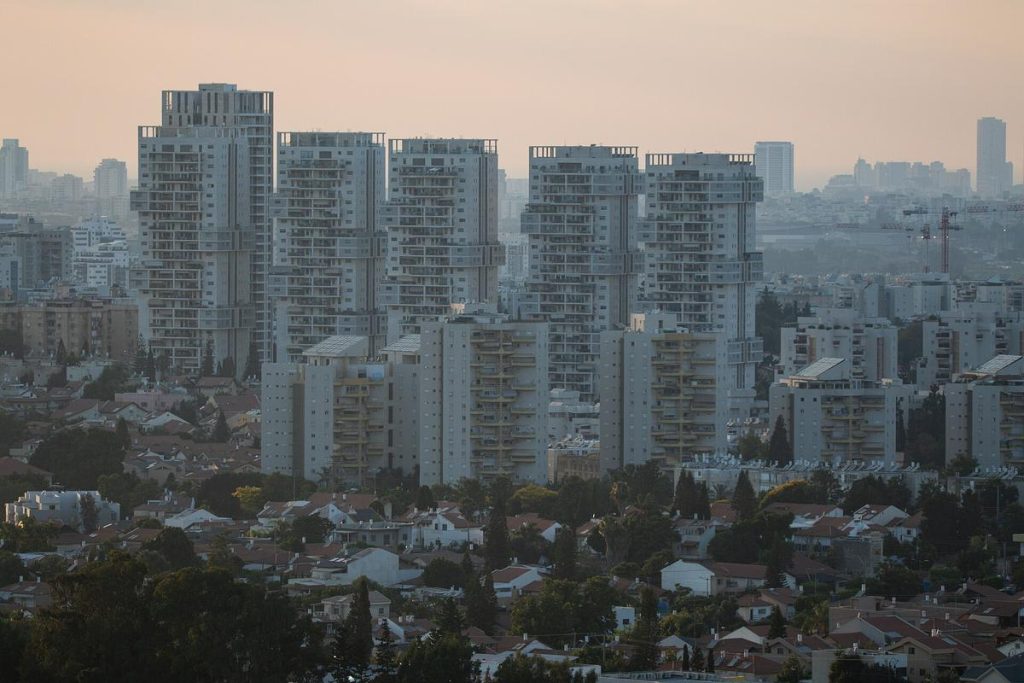
In Israel, deducting damages from a security deposit is not arbitrary. It requires written proof, official invoices, and a clear distinction between normal wear and tear and actual damage. In Netanya, the process relies on good faith and documentation. Without formal proof, the owner must return the full deposit. The key is to document the property’s condition before the tenant moves out and to deduct only amounts supported by invoices.
Assessing Damage: Who Pays for the Inspection?
The first step in deducting funds from a security deposit is to objectively establish the apartment’s condition. In Israel, there is no mandatory « technical inspection » like in France. Responsibility rests on proof. Local lease agreements clearly distinguish between routine repairs, which are the tenant’s responsibility, and structural damage, which falls to the owner. Confusing the two is the most common error that leads to disputes.
Before claiming any funds, we organize a bedek bayit, an inspection by a licensed professional. This visit serves to objectify the property’s condition. It helps distinguish a scratch on the hardwood floor caused by normal wear from a hole caused by a poorly moved piece of furniture. The tenant has the right to request the presence of an independent expert if the owner disputes the cause of the damage. Refusing this presence significantly weakens the landlord’s position.
- Photograph the premises with a visible date on the images to create a chronological record.
- Organize a joint bedek bayit if the tenant disputes the property’s condition.
- Identify elements of normal wear and tear that cannot be deducted from the security deposit.
- Keep previous inspection reports to compare the evolution of the apartment’s condition.
In Netanya, standard practice involves establishing a joint condition report at move-out. This step prevents disputes over wear and tear. If the tenant refuses to participate in the inspection, it is recommended to have the condition certified by a third-party witness or a bailiff, although the latter is less common than a visit by a building professional. The precision of the initial report determines the owner’s ability to deduct funds.
The Security Deposit: A Guarantee, Not a Penalty
Israeli legal principles are clear: the security deposit is a guarantee. It is not a sum acquired by the owner when the tenant moves out. It covers unpaid rent or exceptional damage. It does not compensate for the natural wear of the apartment. This fundamental distinction differs from certain mistaken perceptions that the deposit « disappears » automatically in favor of the landlord.
Unlike in France, where a single legal deadline governs the refund, Israel relies on the obligation of good faith and rapid justification. There is no fixed legal deadline of one to three months imposed by law to return the security deposit. However, retaining funds without written justification exposes the owner to significant legal risk. The tenant can take the case to court to recover the remaining funds, plus accrued interest. The Israeli court examines the owner’s good faith. If the owner cannot prove the necessity of the deduction, they must return the entire deposit.
Practice in Netanya involves sending a detailed statement of incurred expenses before returning the remaining funds. This document must list each expense item with the corresponding proof. If the owner keeps part of the security deposit without sending this justification, they are acting in bad faith. The deduction must be proportional to the damage suffered. A full deduction for minor damage is legally contestable. Transparency is the best defense against a lawsuit.
Invoices and Quotes: Supporting Proof
Any deduction from the security deposit must be supported by official invoices. Verbal estimates or quotes not followed by action are insufficient. The owner must provide invoices from repair companies, including the service provider’s VAT number. This requirement for written proof is strict. Without an official invoice, the amount cannot be deducted from the security deposit. The tenant has the right to verify the authenticity of these documents.
If quotes are established in a foreign currency, such as the dollar or the euro, the conversion to shekels is done at the official Bank of Israel rate on the day of payment. Do not use an approximate rate or the rate from the day the lease was signed. This technical precision avoids disputes over the exact amount of the deduction. Consistency of amounts between the quote, the invoice, and the statement sent to the tenant is essential.
- Verify that the invoice mentions the VAT number of the repair company.
- Convert amounts in foreign currencies at the Bank of Israel rate on the day of payment.
- Do not deduct routine cleaning costs (vacuuming, dusting) from the security deposit.
- Deduct only costs related to specific damage, such as the breakage of a mazgan (air conditioning) due to a lack of maintenance by the tenant.
The case of the mazgan is common. If the damage is due to a lack of maintenance by the tenant, the cost of the part and labor is deductible. If it is normal wear and tear, the repair is the owner’s responsibility. The distinction relies on the average lifespan of the equipment and the condition noted during the inspection. Proof of the tenant’s negligence must be established by the professional during the bedek bayit.
The shtar ‘hov: Acknowledgment of Debt
The shtar ‘hov is a key financial instrument in Israeli leases. It is a promissory note signed by the tenant and their arev (guarantor) at the signing of the lease. It is not insurance or a bank guarantee. It is a promise to pay a determined sum in case of tenant default. Nothing is paid at the signing. The shtar ‘hov is activated only if the tenant fails to meet their obligations, particularly in cases of damage exceeding the security deposit amount.
If the assessed damage exceeds the security deposit amount, the owner can send a formal demand letter to activate the shtar ‘hov. The role of the arev is then central. If the tenant does not pay the due sum, the guarantor becomes directly liable. The owner does not have to initiate a complex judicial procedure against the tenant first and then turn to the guarantor. The arev is jointly liable for the debt.
However, the shtar ‘hov is limited to the initial amount stipulated in the lease and legal interest. It does not allow for the inclusion of contractual penalties not provided for by law. The claimed sum must strictly correspond to proven damage and unpaid rent. Any attempt to exceed this legal framework exposes the owner to a lawsuit for the nullity of the document. The clarity of the shtar ‘hov is essential for its validity in case of dispute.
The Case of the mamad and Fixed Installations
The mamad, the secure room of the apartment, presents an important specificity. Damage to this structure is considered serious degradation. It affects the security and compliance of the building. A damaged door or a broken lock does not fall under normal wear and tear. The repair must be performed by a certified professional to ensure security compliance. The cost of this intervention can be deducted from the security deposit if fault is proven.
The treatment of fixed installations such as the doud shemesh (solar water heater) follows a similar logic. If the tenant tripped the circuit breaker or obstructed the pipes, the repair is their responsibility. In Israel, these solar installations are often the property of the municipality or a service company, and not the occupant. This changes the chain of responsibility. The owner must verify the ownership of the installation before claiming costs. If the installation belongs to the municipality, the owner must report the damage to the owning entity, but may deduct management or coordination fees from the security deposit if the tenant is at fault.
It is imperative to have damage to the mamad wiring certified by a licensed electrician. This written certification avoids accusations of false declaration by the tenant. The electrician’s report specifies the nature of the fault and its origin. Without this expertise, the owner risks being unable to justify the deduction. Technical precision is the best proof in this type of dispute.
The Role of the vaad bayit and Neighbors
Damage caused by the tenant can impact common areas or neighbors. If a water leak damaged the ceiling of the apartment below, the vaad bayit (co-ownership association) may seek accountability. The vaad bayit represents all co-owners. It can require the owner to compensate for damage suffered by common areas or other residents.
In this case, the owner turns to the tenant to recover these costs. The deduction from the security deposit can include compensation paid to the vaad bayit or neighbors, provided there are repair invoices and proof of the tenant’s responsibility. The vaad bayit report is an essential document to justify these amounts. Keep a copy of the vaad bayit resolution authorizing the repair and the claim.
Communication with the vaad bayit must be rapid. A delay in reporting the damage can weaken the owner’s position. The tenant must be informed of the impact of their actions on third parties. Transparency regarding the costs incurred to repair damage to common areas is crucial. If the tenant disputes, they can request to consult the vaad bayit documents. Managing this type of dispute is often more complex than repairs internal to the apartment.
Refund Procedure and Dispute Management
After deducting justified amounts, the owner must return the balance of the security deposit. The refund is made by bank transfer or check, with a clear reference. It is recommended to send an official letter or email accompanying the refund, listing the deductions made and the associated supporting documents. This written trace protects the owner in case of later dispute.
If the tenant disputes the deductions, they can take the case to the family court or the district court, depending on the amount in question. The court will examine the evidence provided by the owner: photos, bedek bayit reports, official invoices, and written communications. The burden of proof rests on the owner to justify each deduction. Complete and consistent documentation is the best defense. In the absence of proof, the court will order the return of the entire security deposit, plus interest and sometimes the tenant’s attorney fees.
| Step | Owner’s Action | Required Proof |
|---|---|---|
| Damage Assessment | Organize a bedek bayit | Inspection report, dated photos |
| Cost Evaluation | Obtain official invoices | Invoices with VAT number |
| Notification | Send a detailed statement to the tenant | Copy of the email or registered letter |
| Refund | Transfer the security deposit balance | Bank transfer statement |
Managing the security deposit is a technical and legal process. It should not be improvised. By following these steps, the owner protects their investment and avoids costly disputes. For rigorous management of your property in Netanya, consult our property management which handles documentation and relations with tenants. If you have questions about apartment setup before renting, the article Tenant wants to install equipped kitchen apartment Israel addresses the limits of authorized modifications. Finally, in case of a conflictual end of lease, the article Lease expires tenant remains in apartment Netanya Poleg details legal eviction procedures.
Always keep the original invoices and inspection reports. In case of dispute, the court requires authentic proof. A digital copy is useful, but the paper original remains the legal reference. Never deduct from the security deposit without having sent a written justification to the tenant. This step is your best protection against a lawsuit.

Gestion locative en Israël pour propriétaires francophones. Bureaux à Netanya, 26 Dizengoff. Une question sur votre bien ? Écrivez-nous.