Property Management and Real Estate in Jerusalem: Local Specifics
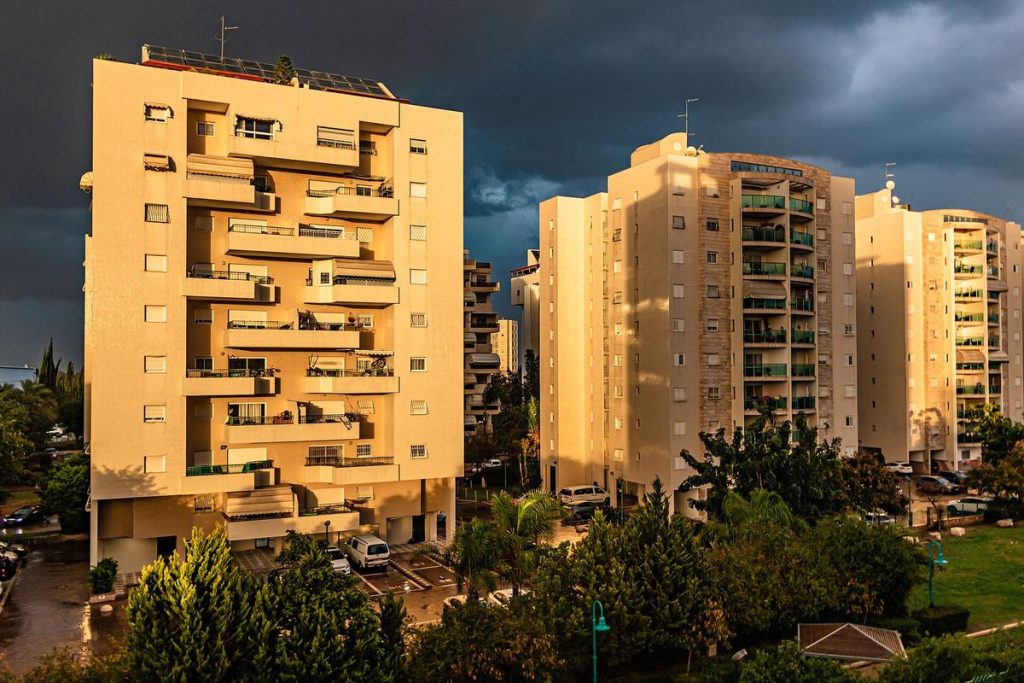
Renting a property in Jerusalem requires a different management approach than in the Netanya coastal area, primarily due to the religious segmentation of neighborhoods and building typologies. Rental demand varies depending on whether the property is located in a secular or Orthodox sector, directly influencing tenant turnover and expected amenities. Technical management must also account for the altitude and the age of the capital’s stone structures.
The Jerusalem rental market compared to Netanya
The Jerusalem market does not follow the same cycles as Netanya. In Netanya, demand is often linked to tourism or a clientele of retirees seeking proximity to the sea. In Jerusalem, the structure of demand depends on the neighborhood. In ultra-Orthodox neighborhoods, demand is constant, but search criteria are very specific: proximity to synagogues, presence of religious service districts, and sufficient space for large families. In secular neighborhoods, demand more closely resembles that of major global metropolises, with a more mobile clientele.
Seasonality in Jerusalem is dictated by the Jewish calendar. Religious holiday periods trigger significant population movements. An owner may notice an increase in demand for short-term rentals during these periods, but also difficulty finding stable tenants if the property is located in an area of high demographic tension. Tenant turnover is more pronounced in student neighborhoods or transit zones, while stable residential neighborhoods offer greater continuity.
Apartment typologies also differ. While in Netanya the exterior appearance and the view are major selling points, in Jerusalem, the presence of a mamad is an essential security and value criterion. In dense neighborhoods, the configuration of the apartment, particularly the number of rooms for large families, takes precedence over total square footage. To invest in Israel, analyzing the demographic composition of the neighborhood is the essential first step for any sector choice.
- Religious neighborhoods: stable demand, proximity to places of worship is a key criterion, slower turnover.
- Secular neighborhoods: mobile clientele, demand linked to business or university centers, faster turnover.
- Technical criterion: importance of the mamad for security and resale value.
Management of municipal taxes and HOA fees in Jerusalem
Local taxation in Jerusalem is based on the arnona. Unlike some systems where property tax is disconnected from immediate usage, the arnona is calculated by the municipality based on the geographic zone and the nature of the property (residential, commercial, mixed-use). In Jerusalem, rates vary significantly from one neighborhood to another, even for similar surfaces. We systematically verify the property classification with the municipality to ensure that the amount charged corresponds to the actual use of the apartment.
The management of older buildings is a major point of vigilance. Jerusalem has a real estate stock consisting of many stone buildings. These structures often impose vaad bayit fees that are higher than in newer buildings in Netanya. Maintenance costs for facades, roofs, and common areas are higher due to the nature of the materials and the age of the installations. The vaad bayit covers routine maintenance, but structural renovation work can weigh heavily on the building’s budget.
The owner remains primarily responsible for monitoring payments. A delay in arnona payments can lead to administrative complications with the municipality, impacting property management. We perform regular checks of arnona receipts and vaad bayit fund calls to guarantee that the tenant respects their contractual obligations and that the owner does not face unforeseen adjustments.
| Type of charge | Nature of expense | Usual responsibility |
|---|---|---|
| arnona | Municipal tax (services, waste, street lighting) | Tenant (per contract) or Owner |
| vaad bayit | Maintenance of common areas, elevator, cleaning | Tenant |
| Structural maintenance | Repair of load-bearing walls, roof, facade | Owner |
Payment security and specific guarantees for the Jerusalem market
The guarantee system in Israel does not rely on a cash security deposit paid in advance, which is a major difference compared to many other countries. To secure rent payments, we use the shtar ’hov. This is a promissory note, a debt recognition signed by the tenant and their guarantor. This document allows the owner to claim due sums in case of non-payment, but no funds are transferred to the owner at the time of lease signing. This procedure requires extreme rigor in verifying the validity of signatures.
The role of the arev is central. The guarantor must be a solvent person capable of covering the tenant’s defaults. In a context of international mobility, identifying a solid arev is complex. We examine the guarantor’s financial capacity and residential stability. A guarantor residing in Israel is always preferable to facilitate legal recourse in case of dispute.
Drafting the lease agreement requires the systematic verification of the teoudat zeout of each signatory. This document is the only official proof of identity and ensures that the tenant and the arev are indeed the committed parties. We verify the authenticity of documents to prevent identity fraud during the rental process. To learn more about contractual details, consult our article on Lease Clauses in Jerusalem.
- Verification of the tenant’s teoudat zeout.
- Identification and solvency check of the arev.
- Signing of the lease and the shtar ’hov.
- Handover of keys after validation of all documents.
Technical maintenance and mandatory equipment in mountain zones
The Jerusalem climate, marked by greater temperature fluctuations than Netanya, imposes specific technical constraints. The mazgan is an indispensable piece of equipment. However, installing air conditioners in historic or protected buildings may be subject to strict regulations from the municipality or the homeowners’ association. We verify installation compliance to avoid any dispute with the vaad bayit.
The use of a doud shemesh is the standard for hot water production. Due to the altitude and the specific sunlight of the region, solar water heating systems require regular maintenance to maintain efficiency. A failure of the doud shemesh can leave the tenant without hot water, a situation that requires rapid intervention to maintain rental service quality.
Before a new tenant moves in, we recommend hiring a professional for a building inspection, known as bedek bayit. This step is particularly relevant in Jerusalem for stone buildings. A professional must check window seals, the condition of pipes, and the absence of moisture in the walls. This inspection helps prevent leaks that could damage the structure or create conflicts with neighbors in the building.
Taxation and obligations to the reshut ha-misim
Rental income in Israel is subject to mas hachnasa. For non-resident owners, declaration procedures are specific. Income received must be declared to the reshut ha-misim. The rules for deducting expenses and management fees depend on your tax residency status. We advise consulting a tax expert to align your declarations with the requirements of the Israeli administration.
When reselling a property, the calculation of mas shevach is the determining step. This capital gains tax applies to the difference between the purchase price and the sale price. It is crucial to properly document all costs incurred during acquisition, including the Real Estate Purchase Tax in Israel, as these amounts are deductible from the taxable base. Poor management of these receipts can unnecessarily increase the tax burden upon exiting the investment.
Unlike many European countries, there is no rent control mechanism in Jerusalem. Prices are set freely by the market. This lack of control offers management flexibility, but it requires the owner to monitor price trends by neighborhood to remain competitive without degrading the quality of their target tenant profile. We follow local trends to adjust rents in accordance with the cost-of-living index, as stipulated in lease agreements.
Succession and real estate asset management in Jerusalem
The transfer of real estate in Jerusalem follows strict procedures. In the event of an owner’s death, managing the yerusha requires obtaining a tsav yerusha. This document, issued by the family court, is indispensable to prove heir status and allow any transaction or management of the property. Without this document, the property remains administratively blocked.
Before any rental or sale, we proceed with a check at the tabou. The tabou is the official land registry. It is imperative to ensure that the property is correctly registered in the owner’s name and that no mortgage or lien is hidden. This verification secures the chain of ownership and protects future tenants and investors.
Managing co-heirs is a frequent case during succession. If the property belongs to several heirs, signing a lease or a deed of sale requires the agreement of all beneficiaries. A disagreement between co-owners can paralyze rental management. We verify the presence of unanimous agreement before proceeding with any contractual signature to prevent the lease from being contested later.
Once the property deed is signed and the property acquired, operational management begins. Handing over keys, selecting the tenant, and managing technical emergencies-such as a pipe bursting on a Friday, the weekly day of rest in Israel-require immediate local presence. To delegate these constraints and secure your investment, discover our property management services.

Gestion locative en Israël pour propriétaires francophones. Bureaux à Netanya, 26 Dizengoff. Une question sur votre bien ? Écrivez-nous.