Ra’anana: Tenant Damages Kitchen Appliances
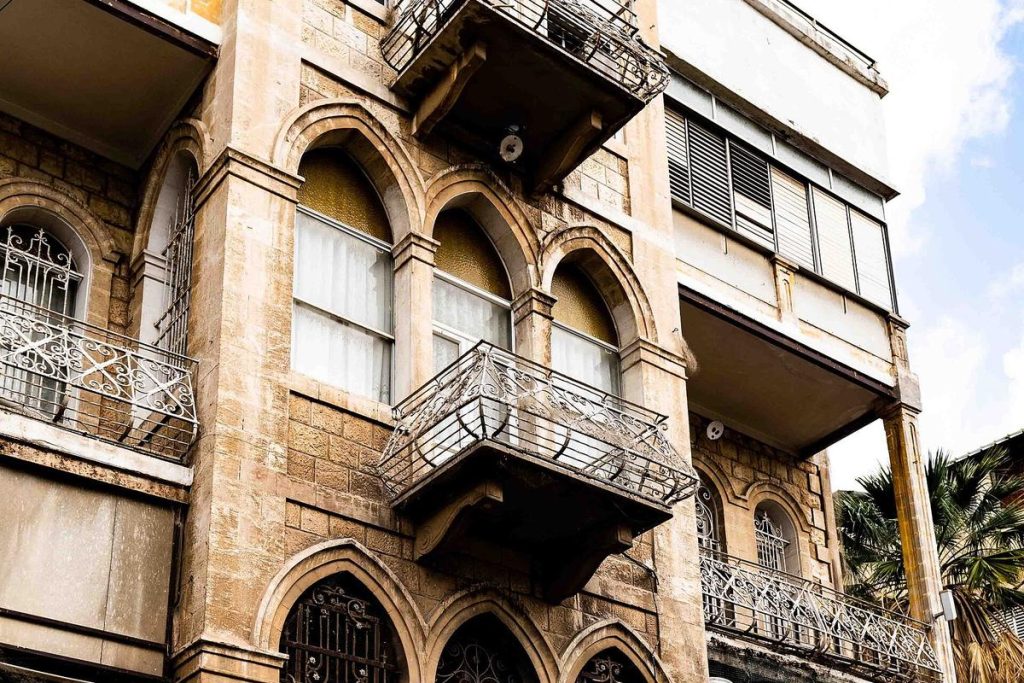
If kitchen equipment or appliances are damaged in Raanana, the owner must first distinguish between normal wear and tenant negligence. Proof relies on the move-in condition report and a professional inspection. If negligence is established, the tenant and their guarantor are liable to cover repair or replacement costs via a shtar ‘hov.
Assessment and Proof: The Line Between Wear and Damage
The first step is to determine whether the issue stems from wear or damage. Under Israeli law, normal wear from daily use is the owner’s responsibility. Abnormal deterioration caused by negligence or misuse is the tenant’s responsibility. This distinction is critical because it determines who pays.
There is no standard « usage inspection » like in the United States. To document the condition of equipment (oven, refrigerator, doud shemesh), we engage a professional for a bedek bayit. This building inspection by a qualified expert objectively records any damage. The written report serves as the primary evidence in court.
The shtar ‘hov is not insurance. It is a promissory note signed by the tenant and their arev (guarantor) if damage is confirmed. No money is exchanged at lease signing. This document becomes enforceable if the tenant refuses to pay after the damage is documented.
In Raanana, the age of some buildings can complicate liability. If the initial condition of the equipment was not documented, the tenant may claim pre-existing wear. A thorough inspection at the start of the lease prevents this dispute. We systematically verify the function of each appliance before handing over the keys.
The Initial File: The Key Handover as Reference
The key handover document is the legal reference for the apartment’s condition. Unlike in some markets where records are minimal, in Israel, precision is the standard. We list the exact state of each piece of equipment: oven, stovetop, refrigerator, and dishwasher.
For each appliance, we record the serial number, operational status, and any pre-existing defects. A refrigerator that is already noisy at key handover cannot be charged to the tenant for a failure two years later. Proof relies on dated photos and videos. These elements are indisputable in court, as tenant memory is often unreliable.
We photograph every room, focusing on kitchen equipment. Videos show the appliances in operation: turning on the oven, opening the refrigerator, and draining water from the sink. This file is signed by both parties. In case of a dispute, it is the only valid proof.
In Raanana, many owners neglect this step. They assume appliances are « new » or « in good condition » without justification. This is a mistake. If the tenant breaks the oven door, they will claim pre-existing fragility. The initial file protects the owner. We emphasize the quality of this document during lease signing.
Equipment Usage: Limits of Liability
The tenant is obligated to return equipment in good condition, excluding normal wear. Standard use of the stovetop and oven is covered. Intentional overheating or using inappropriate utensils constitutes negligence. For example, using a metal utensil on a glass-ceramic stovetop can scratch the surface. This damage is the tenant’s responsibility.
The doud shemesh (solar water heater) is maintained by the owner. The tenant must report any leaks. Negligence in reporting can engage their liability if the leak causes damage to the apartment. The mazgan (air conditioner) is often maintained by the tenant or shared. Clogged filters due to negligence are considered damage.
The difference from the US is notable. In Israel, there is no strict concept of « reasonable care » in the American sense. The obligation is contractual. The lease specifies responsibilities. If the lease states that the tenant cleans the mazgan filters, failure to do so is a contractual breach.
We check the condition of filters during visits. If filters are clogged, we note it in writing. The tenant is formally requested to clean them. If they refuse, liability is established. This approach is more direct than US case law, which often interprets implicit obligations.
Formal Demand and Damage Estimation
Once negligence is established, we send a formal demand letter. This letter, sent via certified mail or email with read receipt, details the observed damage. It includes the bedek bayit report and photos.
We obtain a detailed quote from a licensed professional to repair or replace the equipment. The cost is calculated as follows: replacement price minus the residual value of the old equipment. This method prevents unjust enrichment. The tenant pays only for the lost value, not the price of a new appliance if the old one had little life left.
The involvement of the arev is crucial. The guarantor is jointly liable for the tenant’s debt for material damage if the shtar ‘hov was signed. If the tenant refuses to pay, we turn to the guarantor. The shtar ‘hov is an enforceable instrument. We can present it to the court to obtain a payment order.
The process is quick if the evidence is solid. The Family Court handles these disputes. The tenant has a set period to pay. If they do not, we pursue forced execution. This procedure is simpler than US civil litigation, which is often lengthy and expensive.
The Role of the vaad bayit and Common Areas
The distinction between interior equipment and common areas is essential. Interior equipment (refrigerator, oven) is the responsibility of the owner or the tenant. Main plumbing or sewage drainage is the responsibility of the vaad bayit (building association).
Clogged sinks or leaks under the sink are common. If the cause is collective plumbing, the vaad bayit bills for the repair. The owner receives the invoice and must pay it. They can then seek reimbursement from the tenant if the tenant’s negligence is proven. For example, if the tenant poured grease into the sink, causing the clog, they are liable.
If the repair concerns a common area not linked to the apartment, the owner can dispute the invoice. They must prove the damage is not related to their unit. This process is complex. We assist owners in these disputes.
Direct billing by the vaad bayit to the owner is common practice. The owner must verify the invoice. If it is unjustified, they must dispute it in writing. The vaad bayit must justify the repair. This interaction is specific to Israeli building associations. In the US, the process differs, involving property managers and general meetings.
Recourse to the Family Court and the reshut ha-misim
The Family Court has jurisdiction over lease disputes, including material damage. Unlike civil courts for large amounts, the Family Court handles rental matters quickly. The procedure is simplified.
Garnishment of the shtar ‘hov is possible if the tenant refuses to pay. We present the shtar ‘hov to the court. The judge orders payment. If the tenant does not pay, we seize their assets. This procedure is effective.
Interaction with the reshut ha-misim (tax authority) is important. Repair costs are not automatically deductible from income tax (mas hachnasa). They must be justified. If the repair is the tenant’s responsibility, the owner cannot deduct it. If it is the owner’s responsibility (wear), it is deductible.
The risk of confusing charges is real. Do not mix wear repairs (owner’s charges) and damage (tenant’s charges) in the tax return. An error can lead to an audit. We verify the classification of each expense before filing. This rigor is necessary to avoid tax issues.
Prevention and Management in Raanana: Best Practices
Prevention is the best strategy. We include a clause in the contract to freeze the shtar ‘hov. Any abnormal damage immediately triggers the signing of a new promissory note. This clause strengthens the owner’s position.
Equipment choice is important. We prioritize robust brands that are easy to repair in Raanana. Spare parts must be available. Difficult-to-repair equipment increases repair costs and the time the apartment is unavailable.
Periodic verification is essential. During visits to check charge payments, we inspect the equipment. We document any anomalies. This practice allows early detection of damage and limits costs.
Rental management in Raanana requires local knowledge. Practices differ from the US. We manage disputes, repairs, and relations with the vaad bayit. This expertise protects the owner’s asset.
Concrete Examples of Disputes in Raanana
A tenant broke the oven door by forcing it open. The oven was in good condition at move-in, as proven by photos. The bedek bayit confirmed the breakage. The tenant signed the shtar ‘hov for the repair cost. The guarantor paid.
Another case: a doud shemesh leak damaged the kitchen ceiling. The tenant did not report the leak for three months. The bedek bayit showed the leak was due to negligence in cleaning. The tenant was required to pay for the ceiling repairs.
These examples show the importance of proof. Without photos or a report, the dispute is hard to win. Systematic documentation is the key. We implement this documentation for all our clients.
Dispute management in Raanana is specific. Local practices, such as the shtar ‘hov and the bedek bayit, are essential. Knowledge of Israeli law is indispensable to protect your investment.
In case of damage, do not repair before obtaining written consent from the tenant or a court decision. Document every step. If you are unsure about liability, consult a professional for a bedek bayit before acting. The shtar ‘hov is your best tool, but it must be signed and justified.
| Type of Damage | Responsibility | Required Proof | Key Document |
|---|---|---|---|
| Normal wear (e.g., worn seals) | Owner | Move-in photos + current state | Key handover file |
| Breakage (e.g., oven door) | Tenant | bedek bayit report + photos | Shtar ‘hov |
| Unreported doud shemesh leak | Tenant (if negligent) | Timeline of reports + report | Formal demand |
| Collective plumbing clog | Vaad bayit / Owner | vaad bayit invoice + technical report | Building association invoice |
For the smooth management of your property in Raanana, we recommend entrusting rental management to professionals who know local specifics. Our rental management covers all these aspects, from initial documentation to dispute management. If you encounter issues with subletting or damage, consult our articles on tenant sublets apartment in Netanya Poleg without authorization and tenant damages apartment in Netivot short-term rental to explore these scenarios.

Gestion locative en Israël pour propriétaires francophones. Bureaux à Netanya, 26 Dizengoff. Une question sur votre bien ? Écrivez-nous.