Ra’anana: Tenant Violates Building Rules
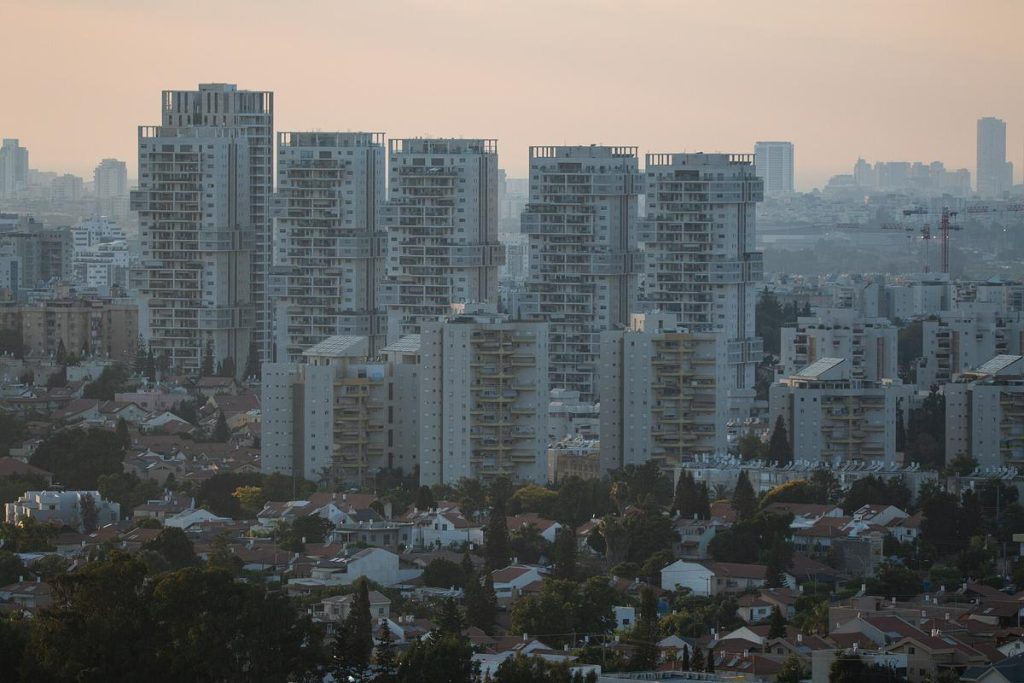
If your tenant in Raanana violates the building bylaws, you should not intervene directly. The process must go through the vaad bayit (building committee), which formalizes the complaint and applies the sanctions outlined in the building’s constitution. Your role is to report the facts and rely on the clauses in your lease. Local police only intervene for public nuisances, not for private neighbor disputes.
The role of the vaad bayit and the hierarchy of rules in Raanana
In Raanana, as in most Israeli cities, building management rests with the vaad bayit. This committee, elected by the owners, handles day-to-day affairs. Do not confuse two levels of rules. The first is the building constitution, a foundational document that defines basic rights and duties. The second is the set of resolutions voted on during general assemblies. These resolutions have legal force, but their validity depends on the nature of the decision. Some require a simple majority, while others require a qualified majority.
Your tenant is not a member of the general assembly. They do not vote. However, they are legally bound to the building rules through their lease agreement. By signing the lease, they implicitly agree to comply with the residence’s internal regulations. This is a crucial point often misunderstood by owners living abroad. In the US, tenants are also bound, but the reporting procedure is often more direct through the property manager. Here, the vaad bayit is the sole point of contact for issues related to the building association.
If your tenant breaks a rule, it is not your job to judge whether it is a violation of the constitution or a simple assembly decision. That is the committee’s role. The vaad bayit verifies the tenant’s actions against the current texts. If the rule was voted on legally, the tenant must comply. If there is doubt about the validity of a resolution, the tenant can contest it, but this does not exempt them from immediate compliance until a court decision is made. We advise you to keep a copy of the building constitution and the minutes of recent assemblies. This allows you to quickly verify if the cited rule is currently in effect and applicable to your tenant’s situation.
The reporting procedure: who to contact and how to formalize the complaint
The first mistake to avoid is contacting the tenant directly to reprimand them for breaking building rules. You risk creating a personal conflict that will complicate management. The official channel is the manager or the vaad bayit itself. In many buildings in Raanana, there is no professional, licensed property manager. Management is often handled by a resident committee, sometimes with the help of an accountant or legal counsel.
The report must be in writing. An email is sufficient, but a certified letter is preferable to create an undeniable dated proof. You must describe the facts objectively: date, time, nature of the violation. Avoid value judgments. Write “loud music at 11 PM” rather than “irresponsible tenant.” This precision is essential. The vaad bayit needs facts to act. Without written proof, it is difficult to impose sanctions.
The difference with the US is notable. In the US, property management is a regulated profession, and a doorman or security guard may be present to witness facts. In Israel, the absence of a mandatory building manager means that observations often rely on neighbors or owners. If multiple owners report the same problem, the strength of the report increases. We recommend attaching any available evidence to the report: photos, audio recordings, or written testimonials from neighbors. If you use our property management services, we formalize this report for you and transmit it to the vaad bayit on your behalf, remaining neutral.
Noise and nuisances: the line between neighbor disturbance and infraction
Noise is the most frequent source of conflict. You must distinguish between two levels. The first is neighbor disturbance, which falls under civil law and building association rules. The second is a criminal or administrative infraction, which falls under police jurisdiction. The Raanana police do not intervene for simple neighbor disagreements. They intervene if the noise constitutes a public nuisance, for example, loud construction work outside authorized hours or a party that disturbs the entire neighborhood.
For repeated nighttime nuisances, you can contact the local police. They can conduct a check and issue a citation to the tenant if the law is violated. But be careful, the police do not solve the underlying problem. The tenant may continue making noise as soon as the officers leave. The durable solution remains the vaad bayit. The committee can impose internal fines or issue a formal demand for the tenant to cease the nuisances.
In cases of repeated disputes between neighbors, the district police can be contacted for mediation or to document threats. If the tenant becomes aggressive, the police have a broader role. But for simple excess noise, the civil judicial route is more appropriate than the criminal one. We have seen cases where owners called the police for a barking dog. The police noted the noise but referred the owner to the vaad bayit for conflict resolution. This is the standard procedure. Do not waste time with the police for classic building association disputes.
Parking and common areas: a major friction point
Parking is a major point of tension in Raanana, where spaces are often limited. Parking rules are defined by the building constitution. Each apartment is generally assigned one or two spaces. If your tenant parks in a space reserved for another owner, or if they occupy common space (hall, roof, courtyard), they are committing a fault.
The vaad bayit can condemn the tenant for illegal occupation of common space. This can include storing personal items in the hall or modifying the building’s exterior appearance without authorization. The procedure for demolition or restoration is the responsibility of the offending tenant, based on the committee’s decision. The vaad bayit can hire contractors to perform the work and bill the cost to the tenant.
If your tenant refuses to pay, you can turn to them via the lease. But the first step is the vaad bayit decision. Without this decision, it is difficult to prove the fault. We advise you to document any illegal occupation with dated photos. If the tenant installs a garden shed on the roof without authorization, the vaad bayit can order its demolition. The tenant must execute the order or pay the demolition costs. If you do not manage the property yourself, our team follows these cases and ensures that the committee’s decisions are applied.
Landlord liability: what can the owner do from abroad?
As an owner living abroad, you have specific obligations. You must inform your tenant of the building’s specific rules at the time of signing the lease. Attach a copy of the constitution and important resolutions. This avoids misunderstandings. The tenant cannot claim ignorance of the rules if they were communicated to them.
You must not harass your tenant. Entering the apartment without authorization to check rule compliance is prohibited, except in emergencies (fire, water leak). You cannot enter to verify if the tenant is respecting noise hours or parking rules. That is the role of the vaad bayit or the police. If you enter without authorization, you expose yourself to a complaint for trespassing.
The lease must contain a clause that transfers the responsibility for vaad bayit fines to the tenant in case of proven fault. This clause is essential. Without it, the vaad bayit can bill you for the fines, as you are the owner. You would then have to recover these sums from the tenant, which is long and costly. With the clause, the tenant is directly responsible. We systematically verify the presence of this clause in the leases we manage. If your current lease does not contain it, we advise you to add it upon renewal.
Financial sanctions and the shtar ‘hov: understanding the limits
The vaad bayit can impose internal fines for violations. These fines are often capped by the building constitution. The amount varies depending on the severity of the fault. These fines are not criminal penalties, but contractual sanctions between co-owners.
For maintenance fee debts, the vaad bayit can require a shtar ‘hov. This is a promissory note signed by the tenant and their guarantor. Nothing is paid at the time of signing. This document allows the vaad bayit to directly seize the tenant’s assets in case of non-payment, without going through the court. It is a powerful tool. But it has its limits. If the tenant refuses to sign the shtar ‘hov, the vaad bayit must go through the justice system.
The vaad bayit cannot directly seize the tenant’s assets for internal fines, unless the lease allows it or a shtar ‘hov has been signed. In most cases, the recovery of fines goes through a judicial procedure. This is an important point to understand. The shtar ‘hov is effective for current maintenance fee debts, but less so for one-time sanctions. If your tenant accumulates fines, the vaad bayit can request a shtar ‘hov for the total. If the tenant refuses, the case goes to court. We manage these interactions with the vaad bayit for you, ensuring that procedures are respected.
The judicial route: the family court and the district court
If the vaad bayit sanctions are not sufficient, the judicial route opens up. There are two types of competent courts. The family court (Beit Mishpat LeMishpacha) handles disputes between neighbors, such as disturbances of enjoyment. This is the competent court if the tenant causes nuisances that affect the quality of life of neighbors. The district court (Beit Mishpat LeMachoz) handles contractual disputes, such as lease issues, and maintenance fee debts.
To recover unpaid vaad bayit fines, the payment order procedure is often used. This is a simplified and fast procedure. The vaad bayit or the owner (if the lease clause allows) asks the court to order the tenant to pay. If the tenant does not contest, the order becomes enforceable. Assets can then be seized.
The procedure before the family court is longer and more costly. It often requires hearing witnesses. This is the last step. We advise against initiating judicial proceedings without the advice of a specialized lawyer. Costs can exceed the amount of the debt. If the tenant refuses to pay maintenance fees or fines, consult our article on recourse in case of non-payment of fees to understand the steps. The procedure is similar in Raanana, but timelines may vary.
Concrete cases: when tenant fault becomes grounds for termination
Some faults are so serious that they allow for early termination of the lease. This is the notion of “gross fault.” In the context of the lease, this can include unauthorized subletting, modification of common areas, or repeated non-payment of vaad bayit fees. In Raanana, subletting is strictly regulated. If your tenant rents part of the apartment to third parties without your consent, it is a gross fault.
Modification of common areas is another typical case. If the tenant installs furniture on the common balcony or modifies the facade, this can justify termination. Repeated non-payment of fees is also a cause for termination. But be careful, the formal demand procedure is mandatory before any legal action for termination. You must send a formal demand to the tenant, asking them to cease the fault or regularize the situation within a specific deadline.
If the tenant does not react, you can take the district court to request lease termination. This is a long procedure. We have seen cases where termination took more than a year. This is why prevention is essential. If you suspect a gross fault, act early. Contact the vaad bayit and formalize the complaint. If the tenant does not respect the rules, consult our article on recourse and management in case of non-payment to see how to handle the situation. The procedure is the same, but the competent jurisdiction may differ depending on the city.
| Type of fault | Main contact | Possible action | Estimated timeline |
|---|---|---|---|
| Nighttime noise | Local police / vaad bayit | Citation / Internal fine | Immediate to 1 month |
| Illegal parking | Vaad bayit | Demolition order / Fine | 1 to 3 months |
| Non-payment of fees | Vaad bayit / Court | Shtar ‘hov / Payment order | 3 to 6 months |
| Unauthorized subletting | Owner / Court | Formal demand / Termination | 6 months to 1 year |
Never let a fault continue without action. The vaad bayit is your ally, but it acts based on your reports. If you do not manage your property, we can take charge of the relationship with the building committee and formalize the complaints for you. Contact us for an analysis of your situation.

Gestion locative en Israël pour propriétaires francophones. Bureaux à Netanya, 26 Dizengoff. Une question sur votre bien ? Écrivez-nous.