Real Estate Insurance in Israel: Essential Coverage Rules
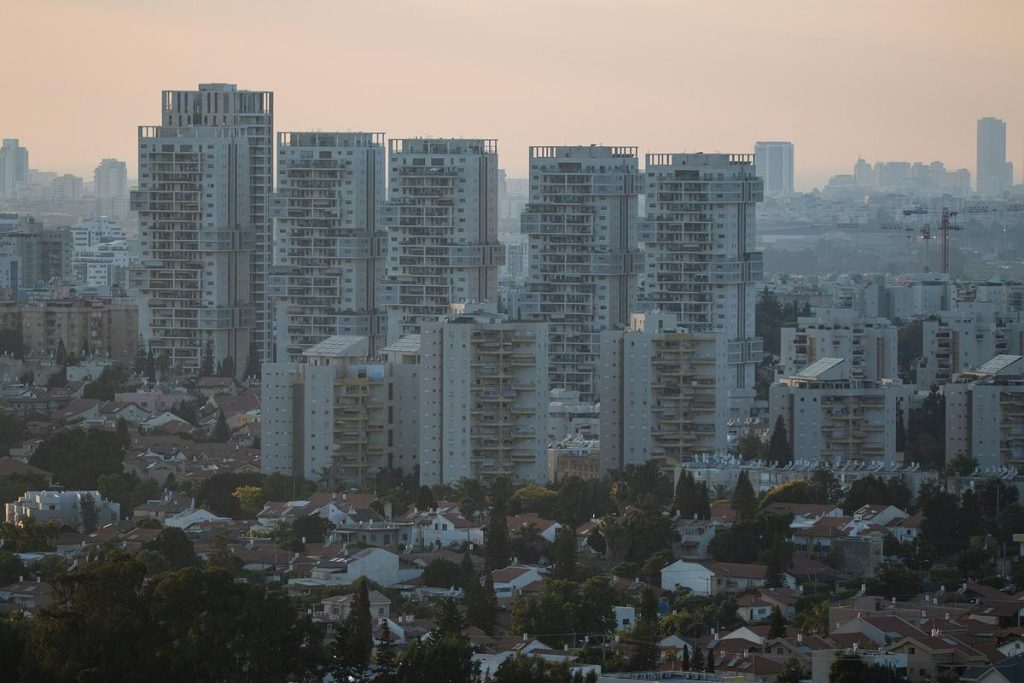
Taking out real estate insurance in Israel requires distinguishing between the coverage for the building’s structure and that of your private apartment. Your contract must include liability coverage to cover damages caused to third parties, particularly in the event of a water leak affecting neighbors. Insurance contracts from the United States do not cover claims occurring on property located in Israel, making a local policy indispensable.
The distinction between building insurance and owner insurance
In Israel, building management relies on a strict separation of responsibilities. The vaad bayit manages common areas and takes out insurance for the overall structure of the building. This coverage protects the roof, load-bearing walls, and stairwells. It does not protect the interior of your apartment or your personal equipment.
The owner must take out separate home insurance for their private unit. This insurance covers material damage inside the walls, such as fire or water damage originating from your own pipes. If a water leak starts in your apartment and damages the ceiling of the neighbor below, your civil liability is engaged. Without specific liability coverage, the costs to repair the third party’s unit will remain your responsibility.
Do not confuse asset protection with occupant protection. If you rent out your property, the tenant must also have their own insurance for their belongings and their civil liability. When we take over management, we verify that the tenant presents a valid insurance certificate before the keys are handed over. This double coverage is the only way to protect your assets against neighborhood disputes.
Covering specific equipment and technical installations
The climate and technical installations in Israel require particular vigilance when drafting a contract. A standard contract may omit elements that, once they fail, generate significant costs. We advise checking for coverage for the following installations:
- The doud shemesh: this solar water heater installation is ubiquitous. A claim involving the tank or piping can cause massive leaks. Insurance must cover damages related to the operation of this system.
- The mazgan: air conditioners undergo constant use. Electrical surges, frequent during seasonal changes, can burn out compressors. Ensure that electrical damage is included.
- The mamad: this secure room follows specific construction standards. In the event of a major claim, the insurance must take the integrity of this structure into account.
Upon signing, the condition of the equipment must be clearly established. If you purchase a property with older installations, specify this to the insurer. A denial of compensation may occur if the insurer demonstrates that the claim is due to a manifest lack of maintenance of an undeclared or outdated piece of equipment. To avoid this, we recommend having a professional inspect the condition of the installations before renting the property.
Managing risks related to vacancy and occupancy
The occupancy status of the apartment changes the nature of the risk for the insurer. An apartment occupied by a tenant presents a risk of human behavior (negligence, improper use of installations), while a vacant apartment presents a risk related to the lack of supervision. Israeli insurers apply vacancy clauses that can limit compensation if the property remains unoccupied for too long.
If you reside in the United States and your apartment remains empty between two leases, you must verify the maximum vacancy period allowed by your contract. Beyond this period, the insurer may suspend coverage in the event of a claim. The risk of vandalism or damage is also higher in unoccupied properties. It is useful to include a clause covering damages caused by third parties during prolonged absences.
The presence of a tenant also influences the premium calculation. A rental contract requires an explicit mention so that civil liability is correctly distributed. We integrate this verification into our property management to ensure that the declared risk profile matches the reality of the occupancy. This avoids complications when filing a claim.
Civil liability toward third parties and neighbors
Life in an apartment building in Israel generates constant interactions that can lead to disputes. The mechanism of recourse between insurers is frequent, especially during water damage incidents. If your leak damages a neighbor, their insurer will attempt to seek recourse against yours. The quality of your liability coverage determines the speed of resolving this conflict.
The distinction between the responsibility of the owner and that of the occupant is fundamental. As an owner, you are responsible for structural defects or faulty installations. The tenant is responsible for damages caused by their daily use or negligence. A well-structured contract must cover your responsibility as a landlord, even if the tenant is present.
Some contracts include protection for legal defense costs. This option is useful if a neighbor sues you in court for damages they believe are your responsibility. In the case of a complex dispute, legal assistance is indispensable. We recommend verifying that your contract provides for the coverage of defense costs in the event your civil liability is challenged.
The impact of inheritance on the continuity of coverage
The transfer of property through yerusha can weaken the coverage of a property. When an owner passes away, the insurance contract does not automatically transfer smoothly to the heirs. It is imperative to notify the insurer as soon as possible to update the information of the policyholder.
During the transition period, obtaining the tsav yerusha is the legal step that allows the situation to be regularized. While waiting for this order issued by the family court, heirs must ensure that insurance premiums continue to be paid to avoid a lapse in coverage. A contract canceled by the insurer for non-payment cannot be easily reactivated after a death.
The insurer will verify the identity of the new policyholder via their teoudat zeout. If you are managing an inheritance from abroad, you may need a Real Estate Sale Power of Attorney in Israel to carry out the necessary administrative steps with the institutions. The continuity of insurance is a major point of vigilance to protect the value of the estate during the inheritance process.
Comparative table of essential coverage
| Type of risk | vaad bayit coverage | Owner coverage | Tenant responsibility |
|---|---|---|---|
| Roof and structure | Included | No | No |
| Water damage (interior) | No | Included | Partial (negligence) |
| Equipment damage | No | Included | No |
| Third-party liability | Partial (common areas) | Included (private life) | Included (private life) |
When acquiring a new property, do not forget to check the impact of local taxes on your overall budget, particularly the Real Estate Purchase Tax in Israel, which is a separate step from insurance management.
Claim reporting procedure from abroad
Reporting a claim in Israel while residing in the United States requires rigorous organization to avoid losing your rights to compensation. Reactivity is the primary factor for success. You must act within the contractual deadlines, which are often very short, to avoid the forfeiture of coverage.
The first step consists of building a solid file of evidence. We proceed by collecting detailed photographs of every damage before any repair attempt. If the claim is significant, we bring in a professional to perform a building inspection (bedek bayit) or to obtain a written report from an expert. This technical document is indispensable so that the insurer can evaluate the extent of the damage.
Once the evidence is gathered, the documents must be transmitted quickly to the insurer or to your management company. The local intermediary acts as a relay: they can go on-site to observe the damage and coordinate the intervention of experts. Never attempt to repair major damage before the insurance expert has visited, or you may risk having your reimbursement request rejected.
For any non-resident owner, we advise appointing a local representative capable of intervening physically in case of an emergency (leak, fire). Managing claims from a distance cannot be limited to email exchanges; it requires a physical presence on the ground to witness the facts and protect the condition of the property.

Gestion locative en Israël pour propriétaires francophones. Bureaux à Netanya, 26 Dizengoff. Une question sur votre bien ? Écrivez-nous.