Renovating an Old Apartment in Herzliya
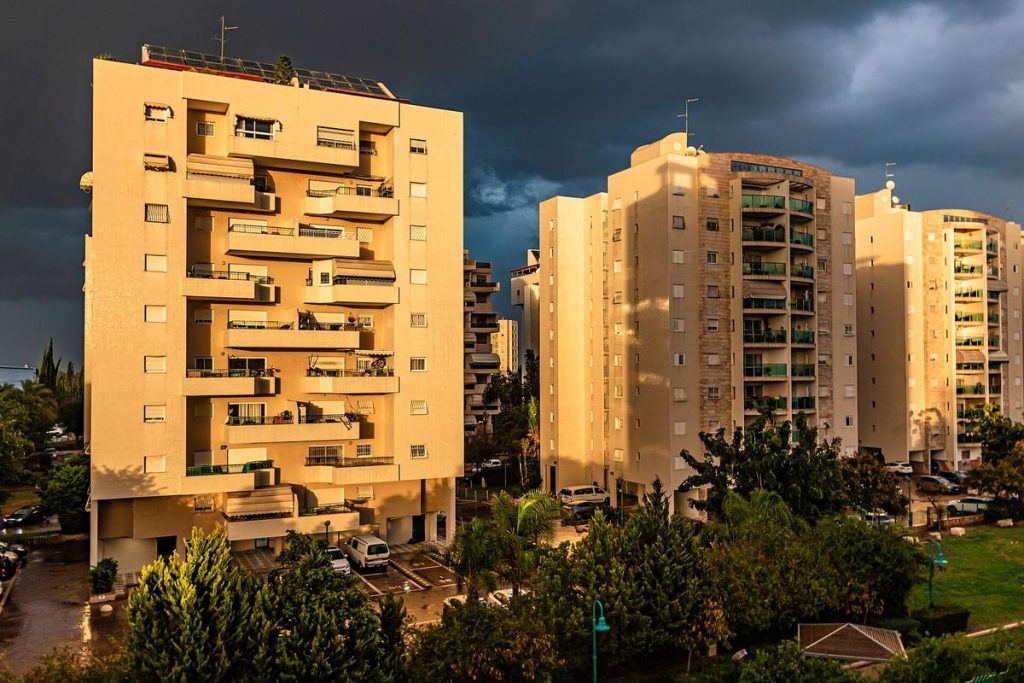
To renovate an older apartment in Herzliya, you must first confirm the legal status of the property at the tabou and validate technical feasibility via a bedek bayit. The procedure requires obtaining municipal permits for any facade modifications and ensuring compliance for specific elements such as the mamad or the doud shemesh. Managing contracts with contractors and keeping all invoices for the reshut ha-misim are essential to the financial success of your project.
Verifying property ownership at the tabou before any renovation project
Before committing to renovation expenses, you must certify that the seller or current owner has the full legal capacity to transform the property. We proceed by extracting a recent excerpt from the land registry, the tabou, to identify any liens, mortgages, or easements that could block your work. An apartment may appear free of constraints, but an undeclared debt registration can paralyze a major restructuring project.
The verification also covers surface area compliance. In Israel, the difference between the contractual area and the actual area can be significant. We verify if any extensions or modifications already made to the apartment are registered. If work was performed without authorization by a previous owner, the Herzliya municipality could require restoration at your expense.
A major point of vigilance concerns inheritance. If the property belongs to a deceased person, you must ensure that a yerusha procedure is underway and that a tsav yerusha has been issued by the family court. Without this document, no transfer of rights or signing of a construction contract can be legally enforceable. We advise never paying a deposit before being certain that the title is perfectly clear and free of inheritance disputes.
- Extract a recent excerpt from the land registry to confirm the owner’s identity and the absence of blocking liens or mortgages.
- Verify the compliance of the apartment plans with the building rights actually registered at the tabou.
- Ensure the property is not subject to an ongoing yerusha procedure without a final tsav yerusha.
Building inspection (bedek bayit) and condition of common structures
Renovating an older apartment in Herzliya cannot be limited to the interior walls. The coastal climate, characterized by humidity and salinity, attacks structures. We recommend hiring a professional to perform a complete bedek bayit. This inspection does not replace a compliance diagnosis, but it allows for testing the waterproofing of balconies and terraces, areas where leaks are frequent in coastal buildings.
The inspection must also cover the vertical risers. If you plan to modify the water or electricity layout, you must know if the building’s main conduits are accessible or if they are protected by common areas. Drilling into a vertical riser without the consent of the homeowners’ association can lead to costly disputes. We verify the position of these networks to adapt your renovation plan to real technical constraints.
Finally, we suggest consulting the vaad bayit. The person responsible for the building holds the history of all interventions on the property. They can inform you of facade repairs or roof waterproofing projects that have already been voted on or are planned. If a special assessment has already been approved for the building, it directly impacts your renovation budget. It is useless to renovate your interior pipes if the vaad bayit plans to replace the building’s main riser within six months.
- Hire a professional to test the waterproofing of balconies and terraces, a critical point in the Herzliya coastal climate.
- Check the condition of water and electricity vertical risers to avoid having to drill into common areas.
- Consult the vaad bayit to learn the building’s maintenance history and any upcoming special assessments.
Technical compliance: mamad, doud shemesh, and mazgan
When renovating an older apartment, upgrading specific equipment to current standards is a priority. The mamad, the reinforced security room, must meet current protection standards. We verify the strength of the walls and the sealing of the armored doors. If the apartment is old, the mamad may not meet the latest resistance standards, which can affect the resale value or the property insurance.
Hot water management is another technical pillar. Most residences use a doud shemesh, a solar water heater system. During your work, we inspect the condition of the piping and the solar collectors. An outdated system consumes unnecessary energy and risks causing leaks into neighbors’ ceilings. Replacing or repairing the piping is an inseparable step in renovating bathrooms.
Air conditioning is essential in Herzliya. To avoid excessive electricity consumption and noise nuisance, we recommend properly sizing the mazgan installation. Depending on whether you choose individual units or a central air conditioning installation in Herzliya: key rules, the impact on the structure and electrical wiring varies. We verify the capacity of the electrical panel to support the load of several high-power mazgan units.
- Verify the strength of the mamad walls and the sealing of its doors to meet current security standards.
- Inspect the doud shemesh system and the piping to guarantee efficient hot water production.
- Size the mazgan installation based on the room configuration to avoid excessive electricity consumption.
Managing permits with the Herzliya municipality
Any visible modification to the exterior of the building requires authorization. If your renovation project includes changing windows, modifying the facade color, or adding a structure to a balcony, you must submit a request to the Herzliya municipal urban planning department. Local rules are strict to preserve the aesthetics of residential neighborhoods.
We advise you to check the impact of your work on the arnona. The municipal property tax is calculated based on the value and surface area of the property. A renovation that significantly increases the living area or changes the use of a room can lead to a reassessment of the arnona by the city hall. It is better to anticipate this cost in your financing plan.
Approval from the homeowners’ association is an essential legal step. For any modification affecting the exterior appearance or common areas (such as running mazgan cables across the facade), you must obtain written agreement from the vaad bayit. Without this document, neighbors can take legal action to suspend the construction site. We systematically verify the presence of these authorizations before validating the start of work.
Selecting contractors and the local contractual framework
The quality of execution depends on the rigor of the selection of tradespeople. To avoid abandoned construction sites or poor workmanship, we require the presentation of general liability and professional insurance for each contractor. In Israel, owner protection relies on verifying the validity of the teoudat zeout of the company representatives. This ensures that the company is legally registered and identifiable.
The contractual framework must be precise. We recommend never working based on a verbal agreement. A construction contract must detail the schedule, an exhaustive list of materials, and, most importantly, the payment terms. Payment should be split into stages based on verified milestones. Never pay the full amount before final acceptance. To learn more about the selection method, consult our article on Choosing a contractor in Herzliya: key steps.
When drafting the contract, specify the responsibilities in case of damage to common areas. If a worker damages the elevator or the building hallway, the contract must state that repairs are the responsibility of the contractor. This clause protects your relationship with the vaad bayit and prevents you from being held liable for damage caused by third parties.
Cost breakdown and tax obligations related to work
Renovation work impacts your tax situation in Israel. It is crucial to distinguish maintenance expenses from structural investments. Invoices must be issued in the owner’s name and comply with reshut ha-misim requirements to be usable later.
| Expense Type | Owner Responsibility | Potential Tax Impact |
|---|---|---|
| Structural work | Full cost | May change the calculation base for mas shevach upon resale. |
| Routine maintenance | Owner (per lease) | Deductible from mas hachnasa under certain conditions. |
| Homeowners’ association fees | Owner | Linked to the vaad bayit and property usage. |
Structural work, such as enlarging a room or modifying the mamad, increases the asset value. Upon resale, this capital gain will be subject to mas shevach. To minimize the impact of this tax, you must keep all invoices for major works. These documents serve as proof to justify the increase in the apartment’s value to the tax authorities.
In contrast, routine maintenance expenses (painting, repairing faucets) are treated differently. If the apartment is rented, these costs can sometimes be deducted from mas hachnasa. We advise keeping a separate registry of maintenance invoices and improvement invoices to facilitate the management of your tax file. Rigorous management of supporting documents is the only way to protect your profitability during resale or income tax filing.
- Keep all compliant invoices for the reshut ha-misim.
- Anticipate the increase in market value for future capital gains calculations.
Site acceptance and clearing punch list items
The end of construction does not mean the end of your responsibilities. Before releasing the final payment, you must perform a final inspection. We recommend hiring an expert to verify the compliance of electrical and plumbing installations. A simple visual inspection is not enough to detect pressure issues or invisible leaks behind walls.
Systematically test all critical equipment. Check the hot water pressure from the doud shemesh and ensure each mazgan operates without abnormal noise. Also test electrical outlets and the sealing of shower joints. If you notice an anomaly, do not sign the acceptance without listing these points as « reservations » in a written document.
Signing the acceptance certificate is the act that triggers the final payment. This document marks the beginning of the contractor’s contractual warranty periods. Once this document is signed without reservation, it becomes very difficult to obtain free repairs for a defect that was not reported. If you plan to rent the apartment, we suggest using our property management services to ensure a smooth transition between the end of construction and the tenant’s move-in.
- Perform a final inspection with an expert to verify the compliance of electrical and plumbing installations.
- Systematically test every mazgan and the hot water pressure from the doud shemesh.
- Sign an acceptance certificate that triggers the final payment and marks the start of warranties.
For a project in Herzliya, we recommend always commissioning an independent professional for the bedek bayit before signing any renovation contract, to avoid discovering structural defects after work has begun.

Gestion locative en Israël pour propriétaires francophones. Bureaux à Netanya, 26 Dizengoff. Une question sur votre bien ? Écrivez-nous.