Repairs to Common Areas in Israel: Who Pays?
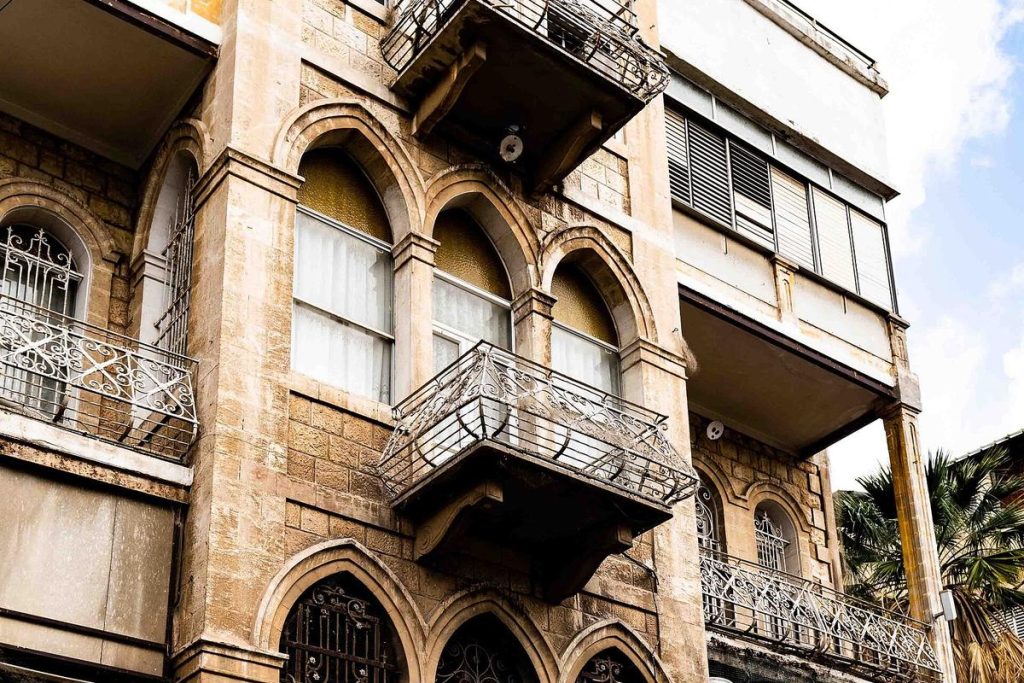
In Israel, the distinction between common areas and private units is governed by the Real Estate Ownership Law, not by a binding co-ownership bylaw as seen in other jurisdictions. The vaad bayit manages structural elements and shared equipment, while the owner remains solely responsible for the interior of their unit. To determine who pays for a repair, you must analyze the origin of the defect and verify if the element falls within the legal scope of the co-ownership. This division prevents unnecessary disputes and secures your investment.
The scope of the vaad bayit: what belongs to the building and what remains yours
The vaad bayit is not a co-owners’ association in the traditional sense. It is a management body that administers the common areas of the building. The boundary is clear: everything behind the partition wall of your apartment belongs to you. The lobby, staircases, façade, roof, and common green spaces fall under collective responsibility. In many countries, co-ownership bylaws detail specific clauses. In Israel, the law takes precedence. If an element is not clearly defined as common, it is generally considered private.
This difference has immediate practical consequences. The lease agreement you sign with your tenant may contain clauses that modify the allocation of charges. It is common for leases to require tenants to pay certain maintenance invoices directly, even if they concern common areas. You must review these clauses before incurring expenses. The vaad bayit votes on annual budgets, but these decisions do not necessarily bind the owner if the lease provides for a different mechanism.
To avoid surprises, list the elements of your apartment that touch on common areas. Exterior windows, for example, are often considered part of the façade and thus the co-ownership, unless the lease states otherwise. Interior shutters or blinds, however, remain your responsibility. This distinction is crucial for anticipating costs. We recommend keeping a copy of the building plan and the list of common areas approved by the vaad bayit. This allows for quick resolution in case of disagreement. If you are not on-site, our team can verify these documents for you. Also, consult our article on arnona and inheritances to understand how taxes apply to undivided properties.
Building inspection (bedek bayit): who orders it and who pays?
When a problem appears, the first step is to establish the nature of the defect. This is where the bedek bayit comes in, a technical inspection performed by a certified professional. It is not a legal obligation, but a common practice to avoid disputes. The goal is to determine if the problem is structural (common areas) or internal (private apartment). The professional’s report serves as evidence for the vaad bayit and for any potential legal recourse.
Who orders this inspection? Generally, it is the vaad bayit if the defect affects common areas. If the problem seems to originate from inside an apartment, the affected owner can request an inspection at their own expense. If the report confirms the defect is internal, the owner pays. If it reveals a structural cause, the inspection cost is often charged to common expenses. It is essential to engage a neutral expert, not a contractor who will sell the work.
Consider a concrete case: a crack in a load-bearing wall. If the crack runs through the wall and affects the building’s structure, it is the responsibility of the vaad bayit. If it is limited to the interior of your apartment and caused by a faulty electrical installation, it is your responsibility. The bedek bayit helps to decide. Without this report, you risk paying for work that does not concern you. We systematically verify the professional’s qualifications before validating the report. If the tenant disputes the invoice, this document is your only solid proof.
Major structural work: the threshold for collective responsibility
Major structural work concerns elements that ensure the stability and protection of the building: foundations, load-bearing walls, main roof, and reinforced concrete structures. These elements are always the responsibility of the co-ownership. The owner never pays the full cost of major structural repair, even if their apartment is the only one suffering damage. They pay only their share, calculated based on the area of their unit.
The funding for these works comes from an increase in vaad bayit charges. In some cases, the vaad bayit can incur urgent expenses without a specific assembly vote, particularly in cases of immediate safety risk. This applies to a major roof leak or a crack that threatens collapse. The president of the vaad bayit then has the authority to act. Owners are informed subsequently, and the budget is adjusted.
It is important to understand that you cannot refuse to pay your share if the vaad bayit acted within its legal authority. Even if you disagreed with the repair method, the debt is collective. However, you can contest the amount if the vaad bayit made unnecessary luxury choices. The distinction between necessary repair and improvement is key. A roof repaired for safety is a charge. A roof repaired to change the color is an improvement, which requires a vote. We analyze invoices to verify that the work corresponds to the scope of major structural work.
Common technical equipment: elevator, pumps, and lobby electricity
The elevator is a common equipment by definition. The maintenance contract is signed by the vaad bayit. Costs are distributed among all owners, including those on the ground floor who do not use the elevator. This is a frequent source of conflict. In some jurisdictions, co-ownership bylaws allow non-users to opt out of payment. In Israel, the law is clear: the elevator is part of the building’s structure, and all benefit indirectly (building value, accessibility). You cannot refuse to pay.
Common area electricity is often supplied by a single meter. The vaad bayit pays the bill and passes it on through charges. The main risk is non-payment by some co-owners. If the vaad bayit fails to collect charges, it may cut electricity to common areas, including those in your apartment. This is a situation to avoid at all costs. Regularly check the financial status of the vaad bayit. If you see chronic non-payment, take action.
The collective doud shemesh or central boiler follows the same logic. Preventive maintenance is the responsibility of the co-ownership. Curative repair, if due to normal wear and tear, is also. But if the breakdown is caused by a tenant’s negligence (for example, a clog in the boiler), the vaad bayit can request reimbursement from the responsible owner. Keep the evidence. For the mamad door, the situation is different. Consult our article on mamad door motor repair to understand this exception.
The load-bearing wall and the floor: the physical and financial boundary between your property and the building
The load-bearing wall is a borderline case. It separates your apartment from the neighbor’s, but it also supports the building’s structure. In Israel, the repair of a load-bearing wall is generally considered a common charge, as it is part of the structure. Even if the wall is the boundary of your property, its structural function places it within the scope of the vaad bayit. This is a major difference from jurisdictions where a party wall is often shared equally between the two owners.
The floor of your apartment is private. If water infiltration comes from the apartment above, the repair of the source (the neighbor’s leaking pipe) is the responsibility of the upper owner. The damage to your floor, however, is your responsibility. You must repair your floor, but you can seek compensation from the upper owner. This is a classic civil dispute. The tabou, the land registry, allows you to identify the exact area of your unit and your share of the charges. This document is essential for calculating your rights and obligations.
If the load-bearing wall has a crack, responsibility is collective. The vaad bayit must act. If the crack is caused by an internal modification (for example, drilling for a shelf), responsibility falls on the owner who made the drill hole. The proof is again in the bedek bayit report. Do not allow a tenant to drill into a load-bearing wall without authorization. This is a fault that engages your responsibility. We verify work authorizations before signing a lease.
Payment disputes: when the tenant does not pay the vaad bayit
The tenant is required to pay vaad bayit charges if the lease so provides. This is the case in the majority of leases in Israel. If the tenant stops paying, the vaad bayit can sue them. But the vaad bayit can also sue you, the owner, if the lease makes you jointly liable for payment. This is a frequent clause. You must check your lease. If the joint liability clause is present, you are responsible for paying the charges, even if the tenant does not pay.
The first tool of pressure is the shtar ‘hov. It is a promissory note signed by the tenant and their arev (guarantor) at the signing of the lease. This document allows for quick legal proceedings without going through a long judicial process. If the tenant does not pay, you can enforce the shtar ‘hov against the guarantor. This is effective if the guarantor is solvent. Verify the guarantor’s solvency before signing. A shtar ‘hov without a solid guarantor is just a piece of paper.
Defense strategy: if the tenant refuses to pay, verify if the vaad bayit has properly provided services. If the elevator has been out of order for months and the vaad bayit has done nothing, the tenant can invoke a service failure to refuse payment. This is a valid argument. You must therefore ensure that the vaad bayit functions correctly. If you are in rental management, we handle these disputes for you. We send formal notices and initiate proceedings if necessary.
Taxation and accounting: what is deductible and what is not
For income tax (mas hachnasa), vaad bayit charges are deductible from rental income. This is a simple rule. But you must distinguish between current charges and improvement works. Current charges (maintenance, electricity, elevator) are fully deductible in the year they are paid. Improvement works (roof replacement, façade renovation) are amortizable over several years. You cannot deduct them all at once.
The tax authority (reshut ha-misim) requires supporting documents. You must request a detailed statement of charges paid and their nature from the vaad bayit. A simple global receipt is not sufficient. You must know how much was paid for the elevator, how much for electricity, etc. This allows you to justify the deduction. If the vaad bayit refuses to provide these details, you have a governance problem.
Frequent error: deducting works carried out in the private apartment by accounting for them as co-ownership charges. This is prohibited. If you repaint the walls of your apartment, it is not a vaad bayit charge. It is a private maintenance expense, which is deductible as such, but not as a co-ownership charge. The distinction is important for the audit. We prepare tax files for our clients by clearly separating the two types of expenses. This avoids tax authority adjustments.
Always keep a copy of the bedek bayit report and detailed invoices from the vaad bayit. In case of dispute or tax audit, these documents are your only proof. Never sign a lease without checking the joint liability clause on charges. If you do not master the language or procedures, entrust management to a professional who knows the specifics of the vaad bayit and local taxation. Prevention costs less than litigation.

Gestion locative en Israël pour propriétaires francophones. Bureaux à Netanya, 26 Dizengoff. Une question sur votre bien ? Écrivez-nous.