Roof Leak in Rishon LeZion: Liability of the Neighbor Below
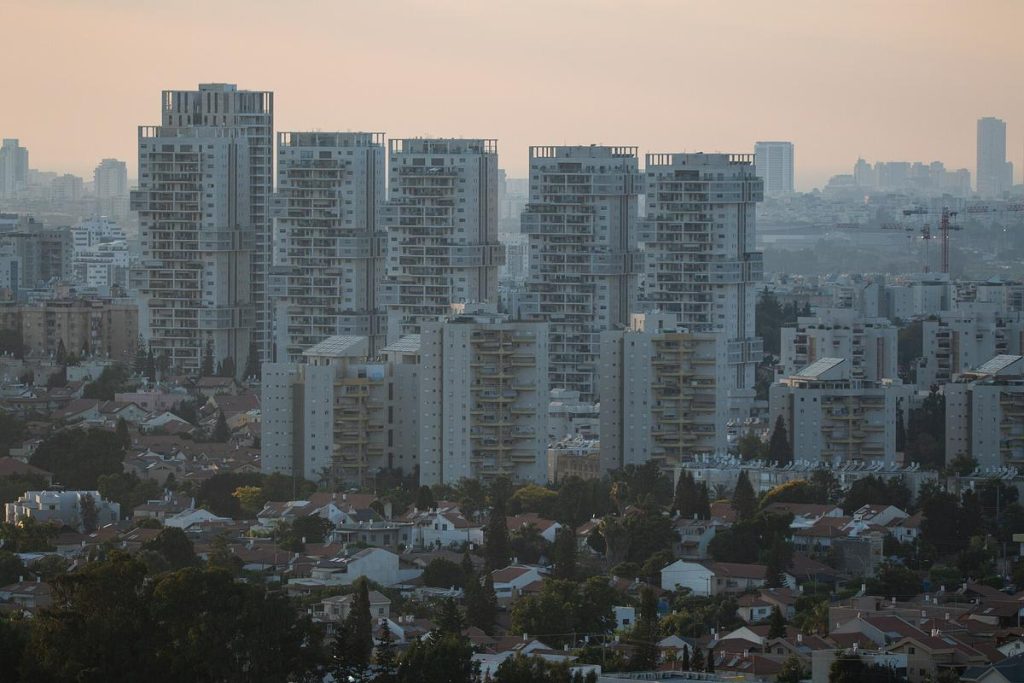
Responsibility for a roof leak lies with the owner of the affected apartment or the building association, never with the tenant. The tenant is only required to report the issue. In Rishon LeZion, as in the rest of Israel, the distinction between common areas and private areas determines who pays for repairs and damages caused to the neighbor below.
The distinction between vaad bayit and direct liability
The first instinct is often to blame the tenant. This is a common mistake. The roof of a building is a common area. Its maintenance falls under the jurisdiction of the vaad bayit, the building association. If the leak stems from a broken tile or infiltration at the roof structure, the building’s infrastructure is at fault. The tenant of the top-floor apartment is not responsible for repairing the roof, even if they occupy the highest unit.
In the United States, homeowners insurance often covers third-party damages. In Israel, the vaad bayit manages collective expenses, but this does not mean it automatically assumes civil liability for damages caused to neighbors by structural negligence. You must review the building’s bylaws. If the leak originates from a private area, such as a private terrace on the top floor, liability rests with the owner of that apartment. The tenant is not responsible for the structure, even if they occupy it.
We often observe owners believing that the lease transfers roof liability to the tenant. This is incorrect. The lease covers the use of the apartment, not the building’s structure. If the roof leaks, it is an infrastructure issue. The owner must intervene. If the neighbor below blames the tenant, they are targeting the wrong party. Liability belongs to the owner of the defective structure.
It is crucial to identify the exact source of the leak before discussing liability. A leak may come from the roof, but it can also originate from a common drainage pipe. In this case, liability is shared between the vaad bayit and the affected owners. Do not confuse misuse (e.g., a tenant leaving water running) with structural failure (e.g., a cracked tile). This distinction is the foundation of any subsequent negotiation.
Responding to accusations: the bedek bayit inspection procedure
When facing accusations, do not respond with words. Act. The first step is to organize a technical inspection. We call this a bedek bayit. This is not a usage check in the American sense, but a visit by an independent professional to assess the condition of the property. It is imperative to invite the neighbor below, the tenant, and, if possible, a representative of the vaad bayit.
The expert’s role is to determine the source of the water. Is it rainwater infiltrating? A leak from the doud shemesh (solar water heater)? A plumbing issue? The expert must inspect the gutters and waterproofing. They must also examine the damages suffered by the neighbor: humidity, mold, or peeling paint.
The key point is drafting a written report. This document must be dated and signed by the three parties present: the neighbor, the tenant, and the professional. It must precisely describe the source of the leak according to the expert. This report freezes the facts. It prevents contradictory claims later. If the neighbor refuses to sign, note this in the document. This report becomes the primary evidence in case of a dispute.
Do not let the situation drag on in oral discussions. The lack of written evidence weakens your position. If the tenant reported the leak to the owner before the incident, keep proof of this report (email, text message). This demonstrates good faith. The bedek bayit inspection costs money, but it is an investment. It avoids a costly and lengthy lawsuit. We recommend engaging an expert recognized by Israeli courts to ensure their report has strong evidentiary value.
The role of the manager and common area management in Rishon LeZion
In Rishon LeZion, as in most Israeli cities, the property manager plays a central role in managing common areas. Once the source of the leak is identified, you must notify the manager in writing. If the leak comes from the roof, it is an emergency for the vaad bayit. The manager must initiate necessary repairs. They must also verify the building’s insurance.
Building insurance often covers material damages caused by covered events, such as a storm or a break in a common pipe. It may cover damages to neighbors if the cause is a common area. However, this insurance does not replace individual civil liability. If the leak is due to specific negligence by an owner (e.g., failing to repair a known crack), the insurance may refuse coverage.
The manager handles the vaad bayit funds. They cannot spend these funds to cover an owner’s personal liability. They must follow the procedure: request bids for repairs, vote among owners if necessary, and engage contractors. The owner of the top-floor apartment must cooperate with the manager. They must provide access to the apartment for repairs.
If the manager refuses to act or delays, you can demand a vaad bayit meeting. You can also consult a lawyer to verify if the manager is fulfilling their obligations. The building insurance is purchased through the manager. Review the contract clauses. Some policies exclude leaks due to lack of maintenance. This is why maintenance documentation is essential. The manager must keep records of past interventions on the roof.
The tenant’s position: when fault is shared or nonexistent
The tenant is often the target of accusations. This is unfair if the leak comes from the structure. The tenant is not responsible for hidden defects in the building. They have an obligation to use the property carefully, but not to perform structural maintenance. If they reported the leak to the owner, they have fulfilled their duty.
You must distinguish between negligence and structural degradation. If the tenant left debris blocking a private gutter (if one exists), they may be held liable. But if a tile broke due to wind or wear, it is not their fault. The lease does not transfer roof liability to the tenant. This is a misinterpretation we often see.
In some cases, fault may be shared. For example, if the tenant used a defective washing machine that flooded the apartment, and the water passed through the neighbor’s damaged ceiling. Here, the tenant is responsible for the water leak, but the owner is responsible for the ceiling’s fragility. Liability is then shared.
We advise the tenant to remain calm and factual. They must provide proof of their leak report. They should not pay for the neighbor’s damages without the owner’s consent. If the neighbor insists, the tenant must refer them to the owner. Final liability rests with the owner. The tenant is only a temporary occupant. They do not have the legal capacity to settle a building association dispute.
See our article on tenant liability in case of flooding: who pays in Jerusalem? for more details on tenant obligations.
The shtar ‘hov: negotiation tool or proof of debt?
Once the source of the leak is established and liability determined, the damages must be settled. If the owner is liable, they must compensate the neighbor. The shtar ‘hov is a useful tool in this context. It is a promissory note or acknowledgment of debt signed by the responsible party. It formalizes the payment agreement.
The shtar ‘hov is not insurance. It is a legal document. It specifies the amount due, the payment deadline, and the consequences of non-payment. It is enforceable. If the responsible party does not pay, the neighbor can take the matter to court to enforce the shtar ‘hov. This is faster than a standard trial.
We recommend not using the shtar ‘hov as an initial threat. It should be proposed after the expert assessment and liability determination. It must be drafted with the help of a lawyer. Abusive clauses can be annulled by the court. The amount must correspond to the neighbor’s repair estimates, validated by the expert.
The shtar ‘hov can be signed by the owner or, in some cases, by the tenant if they are held liable. But in the case of a roof leak, it is the owner. The document must be clear. It must mention the cause of the debt (repair of damages due to the roof leak). It must be signed in the presence of a witness or certified. This strengthens its legal value.
If the neighbor refuses to sign the shtar ‘hov, you can pay the estimated amount directly and keep proof of payment. But the shtar ‘hov is safer because it fixes the final amount. It prevents the neighbor from claiming additional damages later. It is a tool for closing the dispute.
Legal remedies: from family court to civil court
If negotiation fails, the remedy is legal. Neighborhood disputes fall under civil courts, not family courts. Family court only handles divorce, child custody, and inheritance matters. A water leak dispute is a civil matter.
The procedure often begins with mediation. Israeli courts often require prior mediation before judgment. This is a chance to resolve the conflict without a trial. The mediator is an independent professional. They help the parties reach an agreement. If mediation fails, the case is brought before the civil court.
Proof of the neighbor’s negligence can reduce their own liability. For example, if the neighbor knew their ceiling was cracked and did nothing to protect their property, the court may reduce compensation. This is the theory of contributory fault. Therefore, you must document everything the neighbor did or did not do.
The owner must provide the bedek bayit expert report, roof repair invoices, and proof of notification to the manager. The neighbor must provide invoices for repairing their damages. The court evaluates liability and the compensation amount. The trial can last several months. This is why mediation is preferred.
We recommend consulting a lawyer specializing in real estate law and building association disputes. They can assess the strength of your case. They can also negotiate a settlement. The cost of a lawyer is lower than the cost of a trial. The procedure is complex. Do not manage it alone.
Preventing disputes: maintenance of the doud shemesh and roofs
The best defense is prevention. Regular maintenance of the roof and solar systems is crucial. The doud shemesh is a frequent source of leaks. Pipes can crack with temperature variations. Fittings can loosen.
We advise having the doud shemesh checked before each summer. Leaks often appear after the first autumn rain or in case of freezing. The inspection must include pipes, fittings, and the tank. You must also check the gutters and drainage.
The owner must keep photo documentation of the condition of common areas. Dated photos of the roof, gutters, and doud shemesh are valuable. They prove that maintenance was performed. They can also show the progression of a crack.
The vaad bayit must schedule annual roof inspections. This is a management obligation. If the manager neglects this maintenance, they may be held liable. The owner must ensure the manager fulfills this role. They can request an annual inspection report.
Prevention costs less than repair and compensation. A small annual maintenance task avoids a major leak. The owner must invest in maintenance. This is an aspect of professional property management. We recommend hiring professionals for maintenance. Do not let problems accumulate.
Summary table of responsibilities
| Source of the leak | Primary responsible party | Tenant’s role | Immediate action |
|---|---|---|---|
| Roof (common area) | Vaad bayit / Manager | Report the leak | Notify the manager, bedek bayit inspection |
| Private terrace | Owner of the apartment | Report the leak | Inspection, repair by the owner |
| Doud shemesh (common area) | Vaad bayit / Manager | Report the leak | Notify the manager, technical check |
| Tenant’s private plumbing | Tenant | Repair the leak | Inspection, repair by the tenant |
Managing leaks is complex. It involves multiple actors: the tenant, the owner, the manager, and sometimes the neighbors. The key is rapid reaction and documentation. Do not let accusations circulate without proof. Act with method. The technical inspection is the basis of any resolution.
If you are an owner in Rishon LeZion or central Israel, our team can help you manage these situations. We know the local specifics and legal procedures. We can organize the inspection, notify the manager, and negotiate with the neighbor.
In case of a roof leak, do not pay anything before having a written expert report. The shtar ‘hov is only useful after liability is determined. Keep all proof of the tenant’s leak reports.

Gestion locative en Israël pour propriétaires francophones. Bureaux à Netanya, 26 Dizengoff. Une question sur votre bien ? Écrivez-nous.