Salt Corrosion in an Ashkelon Apartment: The Risks
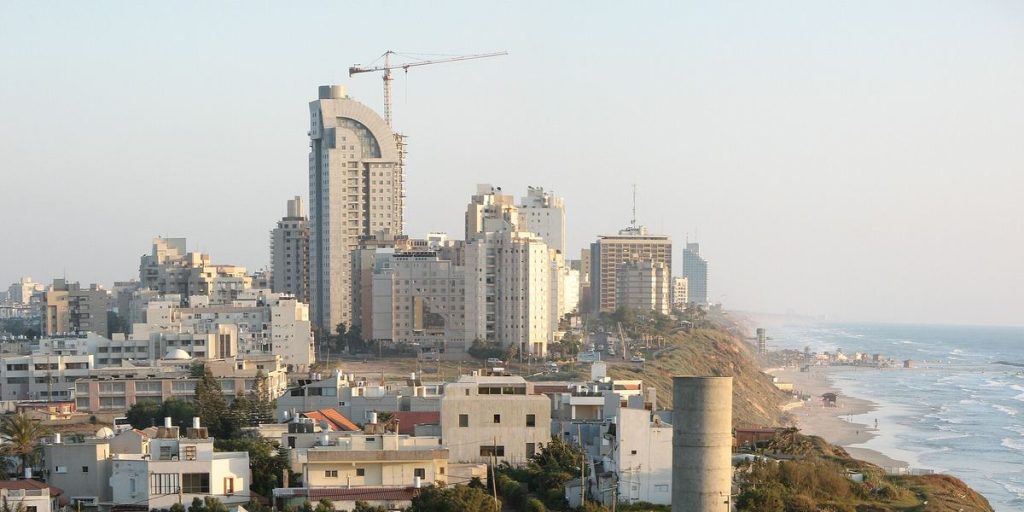
Salt corrosion in Ashkelon results from buildings being directly exposed to chloride-laden sea spray, which causes the oxidation of metal reinforcements inside the concrete. To address this issue, you must identify whether the degradation affects the building’s structure or your private equipment, then allocate the costs between the vaad bayit and yourself. Prompt intervention on facades and outdoor air conditioning units limits irreversible structural damage.
Identifying the source of salt corrosion on Ashkelon facades
The proximity to the sea in Ashkelon requires particular vigilance regarding the condition of exterior walls. The first step is to distinguish surface efflorescence, which appears as powdery white traces due to salt transport, from structural concrete degradation. When chlorides penetrate the concrete’s protective layer, they reach the iron rods that support the structure. The oxidation of these rods causes the metal to expand, cracking the concrete from the inside.
We recommend systematically checking the condition of expansion joints and window frames. Sea spray infiltrates through micro-cracks and worn joints, creating pockets of stagnant moisture. To obtain an accurate assessment of the extent of the damage, hire a professional for a building inspection (bedek bayit). This specialist can determine if the corrosion is superficial or if it threatens the integrity of the slab or load-bearing columns.
If you manage a vacant property, this inspection should be coupled with a check of water entry points. It is useful to check the plumbing of a vacant apartment in Israel: the steps to ensure that no internal leaks are aggravating the effect of salinity on the walls. Fresh water infiltration combined with salinity drastically accelerates the corrosion process.
- Observation of white traces (efflorescence) on exterior walls.
- Search for longitudinal cracks following metal reinforcements.
- Checking the watertightness of window sills and aluminum frames.
- Examination of contact areas between concrete and metal elements (railings).
The responsibility of the vaad bayit regarding common facade erosion
In Ashkelon, managing facade erosion depends on the nature of the degradation. The vaad bayit, which manages the common areas of the building, is responsible for maintaining exterior surfaces. If the corrosion affects the facade coating or the building’s load-bearing structures, repair costs fall to the homeowners’ association via collective fees. However, if the degradation is localized only on a portion of your private wall due to a lack of maintenance of your windows, responsibility may shift to the owner.
Consult the building regulations to identify the exact distribution of costs for facade cleaning and anti-corrosion treatment. If saline humidity threatens the stability of common areas, initiate a procedure with the vaad bayit to demand protective work. A delay in treating common facades can lead to a cascade of degradation on individual apartments, increasing repair costs for every owner.
As part of our property management, we check the condition of common areas during our visits to report any risk of structural degradation to the vaad bayit. Regular communication with the building manager allows for anticipating necessary facade maintenance campaigns to protect the building from the effects of salt.
Impact of saline humidity on technical equipment and the mazgan
Equipment located outside the apartment undergoes constant aggression. The mazgan, or air conditioner, is particularly vulnerable. Outdoor units, exposed to salt-laden winds, see their aluminum fins and electronic components oxidize rapidly. This corrosion reduces heat transfer efficiency and can lead to a complete system failure. We perform visual examinations of outdoor units to detect any signs of corrosion on the exchangers.
Check the condition of metal fasteners and air conditioning supports. Untreated or poorly protected steel supports can fail under the weight of the unit due to oxidation. Similarly, the doud shemesh (solar water heater) requires special attention: the panel mountings and exposed piping must be inspected to prevent any leaks caused by the weakening of metals by salt.
Plan the replacement of exposed components before a total breakdown occurs. It is often more economical to replace a mazgan unit whose condenser is already eaten away by salt than to attempt a makeshift repair. Regular maintenance of outdoor units by a technician allows for rinsing salt deposits and extending the lifespan of the appliances.
Protecting the mamad and structural elements against oxidation
The mamad, the apartment’s secure room, has specific characteristics that must be protected. The reinforced door and its locking mechanisms are critical elements. Saline humidity can infiltrate the door’s seals or accumulate on metal frames, causing oxidation that could hinder opening or closing in an emergency. Inspect the watertightness of the mamad seals to prevent any salty air infiltration.
Check for the absence of salt traces on the interior and exterior metal frames of the mamad. If you notice signs of oxidation on hinges or locking mechanisms, have the situation assessed by a professional. Applying specific anti-corrosion treatments to metal elements is necessary to maintain the integrity of the secure room.
Protecting the mamad does not only concern the door, but also the ventilation ducts that connect this room to the air filtration system. These ducts, often metallic, must be free of any corrosion to guarantee a healthy and secure airflow. Periodic inspection of these ducts is an essential complement to checking the plumbing and air conditioning equipment.
Managing renovation work and the impact on arnona
Facade renovation or anti-corrosion treatment work can have administrative consequences. Anticipating these works is necessary to avoid surprises when managing your assets. Although facade work does not directly change the living area, a complete building renovation can influence the apartment’s valuation by local authorities.
Check if building works result in a modification of the municipal tax (arnona). In Israel, arnona is calculated based on the value and use of the property. If a major renovation transforms the nature of the building or significantly improves its characteristics, a reassessment could occur. It is advised to follow vaad bayit communications regarding work budgets to anticipate the impact on your fees.
Coordinate technical interventions to avoid nuisances for current tenants. If you rent your property, as is often the case for those learning how to rent an apartment in Tel Aviv as a non-resident: the rules, facade work can be very intrusive (scaffolding, noise, dust). Planning with the tenant is essential to maintain a smooth contractual relationship and avoid requests for rent reductions related to construction nuisances.
Allocation of treatment costs between owner and tenant
Managing repairs related to corrosion requires a clear distinction between structural wear and routine maintenance. Repairs related to the natural erosion of facades or the aging of installations (such as a mazgan at the end of its life) are the responsibility of the owner. In contrast, degradation caused by inappropriate use or a lack of maintenance by the tenant is their responsibility.
Use the lease agreement to precisely define the responsibility for interventions. For example, if the tenant does not regularly clean the mazgan filters, which worsens the impact of salty air, they may be held responsible. Similarly, for elements like the doud shemesh, the lease must specify who handles the maintenance of exposed components.
| Type of degradation | Probable origin | Financial responsible party |
|---|---|---|
| Facade corrosion | Sea spray and salt | vaad bayit / Homeowners’ association |
| mazgan oxidation | Saline exposure | Owner (if due to aging) |
| Window/frame degradation | Lack of maintenance | Tenant (per lease) |
| Door hinge oxidation | Natural wear and salt | Owner |
To clarify the management of costs, we use the following breakdown:
- Structural work (walls, slabs, facades) is managed by the vaad bayit.
- Replacement of technical equipment (mazgan, water heater) is the responsibility of the owner.
- Preventive maintenance and cleaning of equipment (filters, windows) is the responsibility of the tenant.
For properties located on the Ashkelon coast, we recommend including a specific maintenance clause in your rental contracts, specifying the tenant’s obligation to keep outdoor equipment (air conditioners, windows) clean to limit salt accumulation.

Gestion locative en Israël pour propriétaires francophones. Bureaux à Netanya, 26 Dizengoff. Une question sur votre bien ? Écrivez-nous.