Service Door Repair in Herzliya: Who Pays When a Tenant Reports a Malfunction?
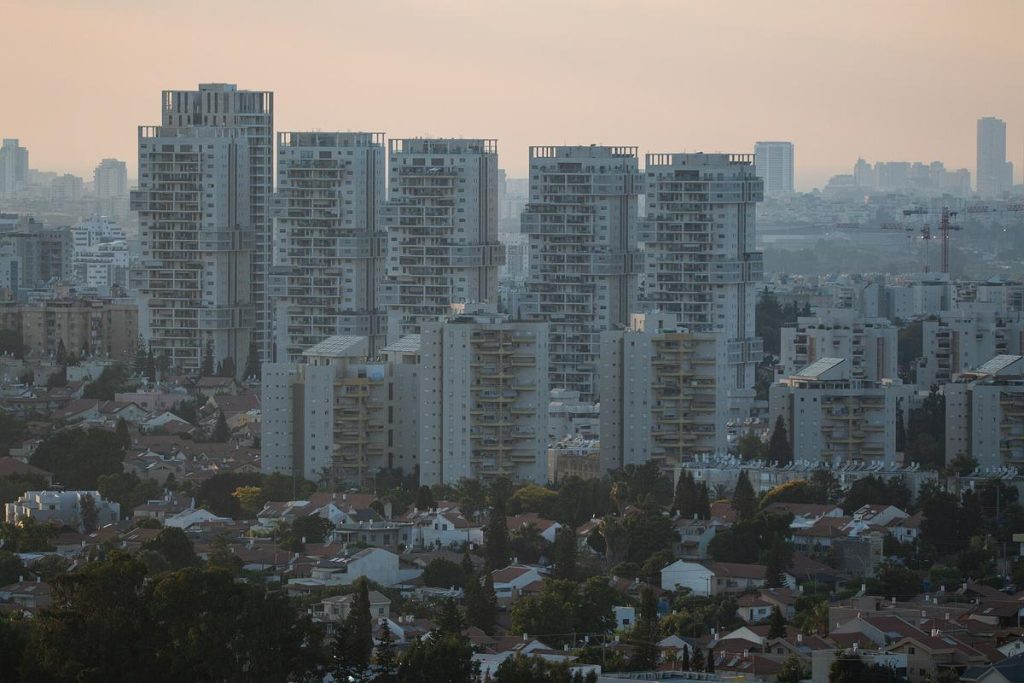
Responsibility for repairing a service door in Herzliya depends on the legal nature of the door: common or private. If the door provides access to common areas, the vaad bayit (co-ownership board) is required to intervene, even if the tenant reported the malfunction. If the door is private, the owner must act. The tenant cannot deduct costs from their rent without written agreement. Proof of notification and inspection by a professional determine the final liability.
Common and private areas: the role of the vaad bayit
In Israel, the distinction between common and private areas is strict and governed by the co-ownership bylaws. Unlike in the United States, where usage can sometimes create a presumption, Israeli law relies on the legal allocation defined in the deed of ownership. To determine who pays for the repair of the service door, you must verify if this door provides access to a common space, such as a mamak (communal shelter) or a shared storage unit. If so, the door is a common area. The vaad bayit, which manages the building’s maintenance, is responsible. The apartment owner should not advance the costs. If the door is the direct entrance to the apartment or a private storage unit, the responsibility lies with the owner. The tenant does not have to intervene financially, except in cases of intentional damage. We consult the co-ownership bylaws and the deed of ownership to settle this point before any intervention. This verification is crucial because the vaad bayit does not manage the interior of apartments, but only the spaces and equipment shared by all co-owners. In case of doubt regarding the allocation, the property manager must provide a written attestation.
Proof of notification and condition report
The date and form of the notification are determinative. The tenant must prove that they informed the owner or the management company of the malfunction. In Israel, instant messages, particularly via WhatsApp, are admissible as legal evidence. A simple phone call without a written trace is insufficient. We recommend sending a written notification specifying the nature of the malfunction and the date of discovery. If the lease is silent on the initial condition of the door, proof relies on dated photographs or testimonies. The absence of a detailed condition report at the start complicates the determination of the cause: normal wear or damage by the tenant. If the tenant reported the malfunction immediately and the door was functional upon entry, the burden falls on the owner or the vaad bayit. If the tenant ignored the malfunction for months, the owner can invoke the tenant’s fault for delaying the repair. Proof of written notification protects the tenant against the landlord’s delayed reaction. We archive all communications related to notifications to secure the position of our clients.
Technical inspection: the bedek bayit
To settle the liability, you must determine the exact cause of the malfunction. A bedek bayit (building inspection) by an independent professional is the solution. This is not a routine check as in the United States, but an expertise ordered by the parties to establish the facts. The expert report is valid in court. It distinguishes normal wear, which falls under maintenance, from abnormal damage, which falls under fault. If the malfunction is due to the wear of mechanisms after several years of use, the owner or the vaad bayit pays. If the malfunction results from abusive use by the tenant, the latter must compensate the owner. The cost of the inspection is generally shared or advanced by the party contesting the liability, then settled according to the conclusion of the report. We organize this inspection quickly to avoid the door remaining blocked. The professional checks the hinge, the lock, and the frame. Their report specifies the technical cause and the cost of the repair. This step avoids disputes regarding the good faith of the parties.
Shtar ‘hov and rent deduction
The tenant cannot deduct the cost of the repair from the rent without prior written agreement. This is a strict rule of Israeli law. The shtar ‘hov (promissory note) signed at the beginning serves as a guarantee of solvency for the rent, but does not cover repairs. If the tenant withholds rent while waiting for the repair, they commit a non-payment. The owner can then send a formal notice and initiate eviction proceedings for non-payment. The legal risk is high for the tenant. The correct procedure is to request an advance of costs or a commercial gesture from the owner, formalized in writing. If the owner refuses, the tenant can take the matter to court, but they must continue to pay the rent in full. We advise owners not to accept non-contractual deductions. In case of dispute, the shtar ‘hov allows the owner to enforce the rental debt quickly. The tenant must therefore separate the issue of rent from that of the repair. They can request a rent reduction for disturbance of enjoyment, but this requires an agreement or a judicial decision, not a unilateral deduction.
Specifics of Herzliya: arnona and municipal constraints
Herzliya has local specifics that influence the management of repairs. The Herzliya city council imposes strict safety standards for residential buildings, especially near the sea. The arnona (municipal tax) is due by the owner, but the city can require safety works on common areas. If the service door is considered a security vulnerability, the city can impose urgent repair, regardless of civil liability. The vaad bayit must then act quickly to comply with municipal directives. Furthermore, access constraints to buildings near the beach, with restricted hours for trucks or technicians, can complicate the intervention. You must plan the works taking these restrictions into account. The owner must verify if municipal permits are necessary to replace the door, especially if it is visible from the outside. We manage these interactions with the technical services of Herzliya to avoid fines. Proximity to the sea also implies accelerated wear of metals due to salt humidity, which can justify more frequent maintenance of common areas.
Repair classification in the lease agreement
The Israeli lease agreement must clarify who intervenes in case of mechanical failure. Standard clauses vary, but it is essential to define « abnormal damage. » In the absence of a precise legal definition, the Israeli judge relies on practice and usage. We recommend including a clause listing the equipment whose maintenance falls under the owner (doors, windows, doud shemesh, mazgan) and those whose maintenance falls under the tenant (small items, light bulbs). For the service door, the clause must specify if the repair is the responsibility of the owner or the vaad bayit. If the door is private, the owner must assume the repair, except in case of tenant fault. If it is common, the lease must refer to the co-ownership bylaws. We modify contracts to avoid gray areas. A clear clause reduces disputes. The tenant must be informed of the procedure to follow in case of malfunction: who to call, how to notify. This transparency facilitates the resolution of the problem. The contract must also specify the reaction time of the owner after notification. A reasonable time, adapted to the severity of the malfunction, protects both parties.
Appeal to the court and procedure
If the owner or the vaad bayit refuses to repair the door, the tenant can take the matter to the district civil court. For amounts below a certain threshold, the summary procedure applies, which accelerates the processing. The court can order the repair or condemn the responsible party to pay the costs. Attorney fees in Herzliya are significant, which often encourages amicable negotiation. The tenant can also take the matter to the family court if the dispute concerns the enjoyment of the residence. The procedure is formal: you must file a petition, attach the proofs (photos, notifications, inspection report). The court can appoint an expert to evaluate the damages. The cost of the procedure is borne by the losing party. We advise attempting mediation before the trial. If the door remains blocked, the tenant can request damages for injury. The court decision is enforceable. The owner must comply with the order under penalty of sanctions. The procedure is public, which can influence the decision of the parties to settle the dispute amicably.
To go further: our property management, Mamad door repair: is the tenant responsible in Israel?, Responsibility of the vaad bayit in Bat Yam: cancellation of urgent repair.
Before paying for the repair, verify the nature of the door in the bylaws of the vaad bayit. If it is common, contact the property manager. If it is private, request an inspection by a professional to determine the cause. Never deduct costs from the rent without written agreement. Keep all proofs of notification. In case of a blockage, take the matter to the district civil court with an expert report.

Gestion locative en Israël pour propriétaires francophones. Bureaux à Netanya, 26 Dizengoff. Une question sur votre bien ? Écrivez-nous.