Sharing building association fees in Israel after inheritance
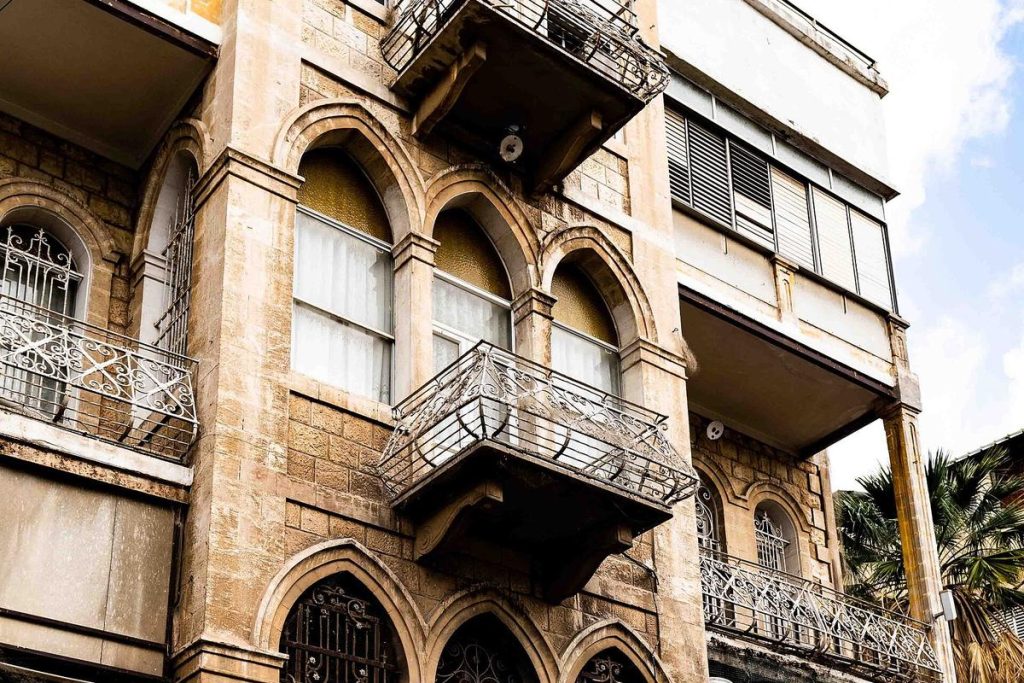
The distribution of HOA fees after an inheritance in Israel is based on the designation of beneficiaries via the tsav yerusha. Co-heirs must agree on how to fund the vaad bayit, either through a joint account or a distribution proportional to their ownership shares. The payment of ongoing charges is the responsibility of the estate until the property is rented or sold.
The impact of the tsav yerusha on building account management
The process for managing fees cannot begin without the production of the tsav yerusha. This probate order, issued by the family court, is the sole document that officially identifies the heirs and their respective rights to the property. Without this document, the building committee or the management may refuse to recognize new points of contact for the settlement of the vaad bayit.
The tsav yerusha establishes the list of owners in co-ownership. This legal situation creates a clear distinction between collective ownership and financial responsibility. Although the apartment belongs to all heirs, the vaad bayit requires a single point of contact for payment follow-ups. We recommend designating a single representative among the heirs to centralize communications with the building committee. This representative receives calls for funds and manages technical coordination for interventions in common areas.
This step is crucial to prevent unpaid fees from accumulating in the name of the deceased. Fragmented management, where each heir pays their share in isolation without coordination, exposes the estate to sanctions from the building committee. To avoid this deadlock, we recommend consulting our article on managing the vaad bayit in case of inheritance in Israel to structure the initial communications with the management.
Calculating vaad bayit shares based on size and usage
The calculation of HOA fees in Israel follows distribution rules that differ from those applied in other countries. The vaad bayit covers daily operating costs: cleaning of stairs, lighting of common areas, elevator maintenance, and waste management. The distribution method is generally based on the apartment’s square footage or the ownership coefficients recorded in the building’s regulations.
Certain technical elements influence the cost of fees. For example, the presence of a mamad (security room) or a doud shemesh (solar water heater) can impact the building’s consumption or specific maintenance costs. Heirs should verify if the building regulations provide for differentiated shares for this equipment. If the doud shemesh is collective, maintenance costs are distributed across all units, whereas an individual system remains the responsibility of the occupant.
Do not confuse the vaad bayit with the arnona. The arnona is the municipal property tax collected by the municipality, calculated based on the property’s value and size. The vaad bayit, however, is a private management of building expenses. To obtain the exact amount of your obligations, ask the building committee for the statement of charges per unit and compare it with the arnona tax notices received from the municipality.
Allocation of major maintenance expenses and bedek bayit
When structural work is necessary, the responsibility lies with the estate. This may involve roof repairs, facade renovation, or repairing main pipes. To determine the scope and nature of the work, we advise hiring a professional for a building inspection, known as bedek bayit. This inspection allows for precise cost estimates and helps avoid disputes among co-heirs regarding the urgency of repairs.
The financing of this work must be distributed among the heirs in proportion to their rights in the estate. In the event of a disagreement regarding the necessity of a technical intervention, the building committee may initiate collection procedures against all owners. To avoid such tensions, heirs should establish a maintenance schedule. If a professional identifies an imminent structural degradation, funds must be released without delay to prevent escalating costs.
Managing major works requires rigorous traceability. Every invoice paid by one of the heirs on behalf of the estate must be kept to be deducted later during the distribution of assets. If you are considering renting the property after settling these charges, our rental management service can take over to ensure the follow-up of these expenses with service providers.
Managing financial flows and obligations to the reshut ha-misim
The management of fees has a direct impact on the estate’s taxation. vaad bayit fees paid to maintain the property in working order are deductible expenses when calculating mas hachnasa (income tax) if the property is intended for rental. For these deductions to be accepted by the reshut ha-misim, every payment must be documented by an invoice or an official receipt from the building committee.
The impact of fees also extends to mas shevach (capital gains tax). When selling the property, the basis for calculating capital gains is determined by the difference between the sale price and the acquisition price, increased by the necessary costs to maintain or improve the property. Invoices for structural work or major renovations, if correctly recorded, can be used to adjust this basis. It is therefore imperative not to treat the payment of fees as a simple consumer expense, but as an accounting item of the asset.
We recommend maintaining a registry of the estate’s financial flows. This document should list:
- The amount of vaad bayit fees paid annually.
- The amount of arnona paid.
- Maintenance invoices related to equipment such as the mazgan or the doud shemesh.
- Administrative management costs of the inheritance.
This rigor facilitates the work of the accountant during the declaration of the estate’s income.
Appointing a manager for the estate: avoiding administrative deadlock
Co-ownership is often a situation of administrative deadlock. To pay current bills without waiting for unanimous agreement at every deadline, using a power of attorney is the most effective method. This power of attorney allows an heir or a third party to sign management documents and make payments to suppliers and the vaad bayit. This prevents late penalties from being applied by the building committee.
Setting up a dedicated bank account for the estate is a recommended practice. This account allows for the centralization of funds intended for fee payments and isolates expenses from the heirs’ personal assets. Each contribution from the heirs to this account must correspond to their ownership share. This account serves as proof of payment for the reshut ha-misim and for any future buyer of the property.
Finally, we verify the compliance of payments with the tabou records. Although the tabou is the official land registry and does not manage HOA invoices, the consistency between the owners registered in the registry and those paying the fees is essential for the legal validity of management acts. A discrepancy between the owner registered at the tabou and the person paying the fees can complicate the sale of the property or the signing of rental contracts.
Comparative table of responsibilities: heirs vs. tenant
| Type of charge | Heirs’ responsibility | Tenant’s responsibility |
|---|---|---|
| Routine vaad bayit | Payment via the estate | Reimbursement to the owner |
| mazgan maintenance | Structural repairs | Preventive maintenance |
| Structural work | Distribution among co-heirs | No responsibility |
| arnona | Full payment by the estate | No responsibility |
| doud shemesh replacement | Covered by the estate | No responsibility |
Procedures in case of non-payment by a co-heir
Failure to pay fees by one of the members of the estate can jeopardize the overall management of the property. In Israel, the building committee may initiate collection procedures against any member of the estate, or against the estate as a whole. This means that an heir who pays the full amount of the fees to avoid committee action can seek recourse against their co-heirs to demand their share. To understand the methods of recourse, consult our article on vaad bayit fee reimbursement.
Non-payment of the vaad bayit after a yerusha can lead to complications when renting the property. A tenant may demand proof that the building’s fees are up to date before signing a lease. Furthermore, the accumulation of HOA debt decreases the net value of the inheritance. If an heir wishes to exit the co-ownership, the liquidation of current charges and maintenance debts must be completed before the final distribution of assets.
In case of persistent conflict, legal action through the courts is the way to settle charges. The court may order the sale of the property to cover the estate’s debts or impose a strict distribution of costs. To avoid reaching this extreme, we recommend formalizing in writing, upon receipt of the tsav yerusha, the payment methods for each heir and the reimbursement terms in case one heir advances funds.
Before proceeding with the distribution of the inheritance, systematically request a statement of debts from the building committee and verify the absence of disputes concerning the vaad bayit. A property burdened with unpaid charges is a difficult asset to sell and can generate significant legal costs for the estate.

Gestion locative en Israël pour propriétaires francophones. Bureaux à Netanya, 26 Dizengoff. Une question sur votre bien ? Écrivez-nous.