Stopping Water and Electricity Subscriptions When the Tenant Moves to Israel
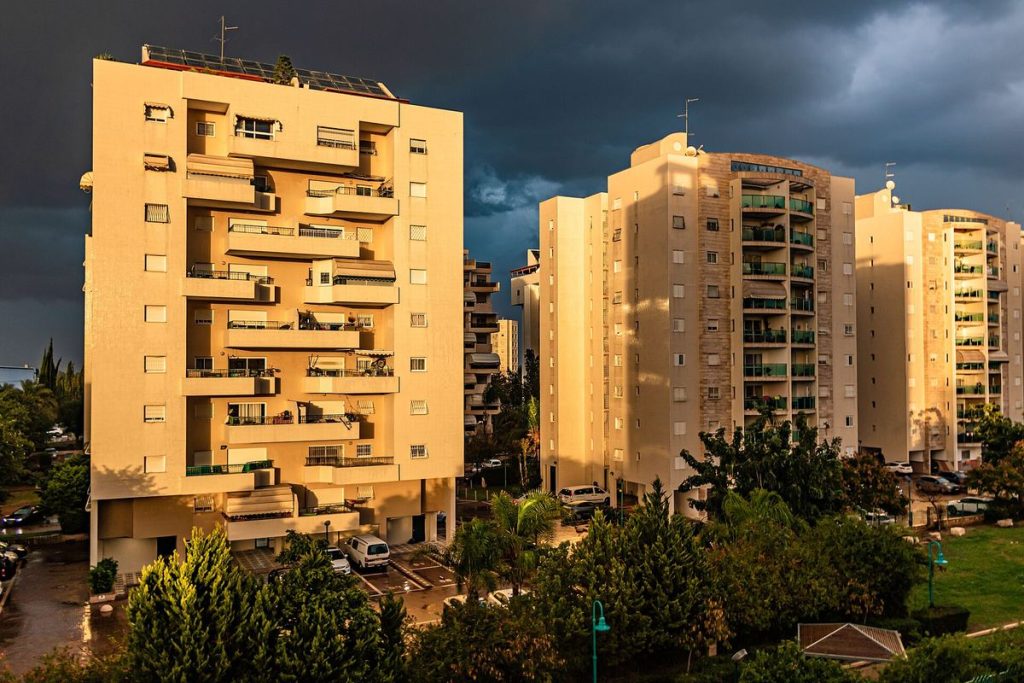
When a tenant leaves an apartment in Netanya without adhering to proper notice periods, managing utility subscriptions (water, electricity, internet) becomes an operational priority. Unlike in the United States, where bills often follow the address, Israeli contracts are strictly personal and linked to the teoudat zeout (national ID card). You must act immediately to close the tenant’s accounts or take over the services to avoid service interruptions or incorrect billing. Here is the precise method to secure financial and technical flows.
Transferring subscriptions: the 72-hour rule
In Israel, the concept of « de facto succession » for public services does not exist. Electricity and water contracts are personal. A tenant cannot simply leave their bills with the owner; they have a contractual obligation to cancel their account. If a tenant disappears without notice, the owner’s silence is interpreted by providers as a continuation of consumption under the responsibility of the last known party.
The cancellation procedure requires formal action. The tenant must call the provider to request account closure. In the event of a sudden departure, you must intervene without delay. The issue is not just financial; it is about service continuity. If the tenant’s contract is not closed, the provider may cut off supply, assuming the service is abandoned or unpaid.
The role of the teoudat zeout is central here. Subscriptions are linked to this identity. If the tenant has not unsubscribed, you must provide your own teoudat zeout to reactivate the service in your name or to report the tenant’s absence. This is an administrative step that we systematically perform during unexpected departures.
Meter verification is the first physical step. Before any contractual switch, record the readings. In Israel, there is no systematic automatic reading mandated by law at every tenant change. It is a contractual obligation between the parties. Without a verified reading, any subsequent claim will be difficult to prove. We perform this reading and photograph the meters within hours of receiving the keys.
Water and arnona: distinguishing service and tax
You must clearly separate two distinct financial flows: water billing and the payment of arnona. Water is billed by the regional authority or local supplier (often Mekorot or a local subsidiary). Arnona, however, is a municipal residence tax paid directly to the Netanya city hall. These are two different legal entities.
Paying arnona is an obligation of the owner, regardless of the apartment’s status. The tenant does not pay arnona directly. It is the landlord’s responsibility. In case of vacancy, this tax continues to accrue. Never confuse the two: an unpaid water bill from a tenant does not block the payment of arnona, and vice versa.
The risk of disconnection specifically concerns water. If the tenant did not settle their bills before leaving, the supplier may cut off the service. Before signing a new contract in your name, you must verify the payment history with the supplier. If arrears exist, disconnection is immediate. We verify the absence of debt with the local distributor before reactivating the flow.
Recovering debts is a delicate point. If a tenant leaves with unpaid bills, you cannot deduct these amounts from the security deposit without written proof. You must obtain a balance certificate from the water supplier. This certificate certifies the exact amount of the debt. Without this document, any deduction from the security deposit is contestable. To understand how to handle these unpaid amounts, consult our article on Security deposits and unpaid electricity: the rules in Israel.
The mazgan and electricity consumption
The mazgan (air conditioner) is the primary source of electricity consumption in Israel. In the event of an unexpected departure, the first technical check concerns the mazgan. The tenant may have left it running. This leads to immediate overconsumption and premature wear of the equipment. We check the status of the mazgan and turn it off if necessary.
Canceling the electricity contract is specific to Netanya. Several providers coexist in the city. The tenant must cancel their specific contract. If you decide to change providers, you must ensure the old contract is properly closed. Otherwise, you risk double billing. The switch is not automatic. It requires an explicit request to the new provider and confirmation of closure from the old one.
The doud shemesh (solar water heater) is a fixed equipment. It does not have a separate subscription. However, its maintenance can be a source of dispute. Upon departure, you must verify that the system has not been damaged or disabled. The doud shemesh consumes electricity for pumping. If the tenant cut the power to avoid billing, the system may be damaged by freezing or overheating.
Retroactive billing is a real risk. Electricity providers may bill retroactively if meters have not been read regularly. You must keep meter readings to prove that consumption corresponds to the tenant’s occupancy period. These readings serve as proof in case of a dispute over the final bill amount. We archive this data in the rental management file.
Internet and telephone: the pitfalls of long-term contracts
Fiber optic and mobile phone contracts in Israel are often tied to fixed-term commitments. The tenant must cancel their subscription. If you wish to keep the IP address or phone number, you must subscribe to a new contract in your name. The transfer is not automatic. It requires administrative steps with the operator.
Transferring a landline is different from the US. It is not automatic. You must contact the operator to request the contract transfer and line reactivation. If the tenant canceled without notice, the line may be cut. We contact the operator to check the line status and restore service if necessary.
Canceling the box is a point of attention. If the tenant took the modem or decoder, you must verify that the equipment was returned. In case of non-return, the provider may bill the owner if the contract was not properly canceled. The equipment remains the property of the operator. We verify the presence of the equipment during the property inspection.
The case of a sudden departure requires a formal notice. If the tenant leaves without canceling, you must send a registered formal notice to cancel on your behalf. Attach proof of departure (move-out inspection, key handover). This step protects your legal liability. It proves that you acted to stop consumption. It is an essential step to avoid future bills.
The security deposit and shtar ‘hov: securing debts
The security deposit is a financial guarantee, not insurance. It covers damages and unpaid amounts, but its use is regulated. In the event of an unexpected departure, the security deposit may be retained to cover unpaid service debts. However, this retention must be justified by official invoices.
The shtar ‘hov (promissory note) is a distinct document. It is a signed acknowledgment of debt by the tenant and their guarantor (arev). Nothing is paid at the signing of the shtar ‘hov. It is not an advance. It is a collection instrument. If the tenant leaves with debts, the shtar ‘hov allows you to pursue the guarantor. It is a powerful legal tool, but it requires legal action to be executed.
The distinction between the security deposit and the shtar ‘hov is crucial. The security deposit is paid at the start. The shtar ‘hov is signed at the start. In case of dispute, you use the security deposit for immediate amounts and the shtar ‘hov for higher amounts or third-party debts. We manage these two documents separately.
If the tenant is in a succession situation, lease management changes. The shtar ‘hov can be transferred to the heirs. To understand the specifics of the lease in case of death, consult our article on Tenant leaving during a succession: the lease in Israel.
The departure checklist: what we verify
To secure the departure of an unexpected tenant, we follow a strict checklist. It helps prevent disputes and guarantees service continuity.
- Meter readings: Photograph the water and electricity meters. Note the exact figures. Date the photo.
- Status of the mazgan: Verify that the air conditioner is off and that the filters are in place.
- Status of the doud shemesh: Verify that the solar water heater is functional and that the circuit is not cut.
- Presence of equipment: Verify the presence of the modem, decoder, and landlines.
- Keys and badges: Retrieve all keys and access badges.
- Signature of the move-out inspection: Have the tenant sign the move-out inspection, even if they leave in a hurry.
This checklist is completed within 24 hours of receiving the keys. It is archived in the property file. It serves as proof in case of dispute. It allows justifying any deduction from the security deposit.
Professional rental management: avoiding errors
Managing an unexpected departure is a stressful situation. Errors in handling subscriptions can be costly. A water or electricity cut can harm the property’s reputation and delay re-renting.
Our rental management service includes handling these departures. We manage cancellations, contract transfers, and claims. We know the local providers and administrative procedures. We intervene quickly to secure the property.
Prevention is the best strategy. A well-drafted lease agreement, with clear clauses on service cancellation, reduces risks. We draft contracts adapted to Israeli law. We train owners on local specifics.
In the event of an unexpected departure, we act immediately. We contact providers, verify meters, and secure the property. You do not have to manage calls to operators or administrative steps. We do it for you.
In the event of an unexpected tenant departure, do not let time pass. Israeli subscriptions are personal and linked to the teoudat zeout. Act within 72 hours to close accounts or take over services. Verify meters, the status of the mazgan and the doud shemesh. Use the security deposit and the shtar ‘hov to secure debts. We manage these operations for you.

Gestion locative en Israël pour propriétaires francophones. Bureaux à Netanya, 26 Dizengoff. Une question sur votre bien ? Écrivez-nous.