Tel Aviv Rental Apartment Security: Mamad and Safety Installations
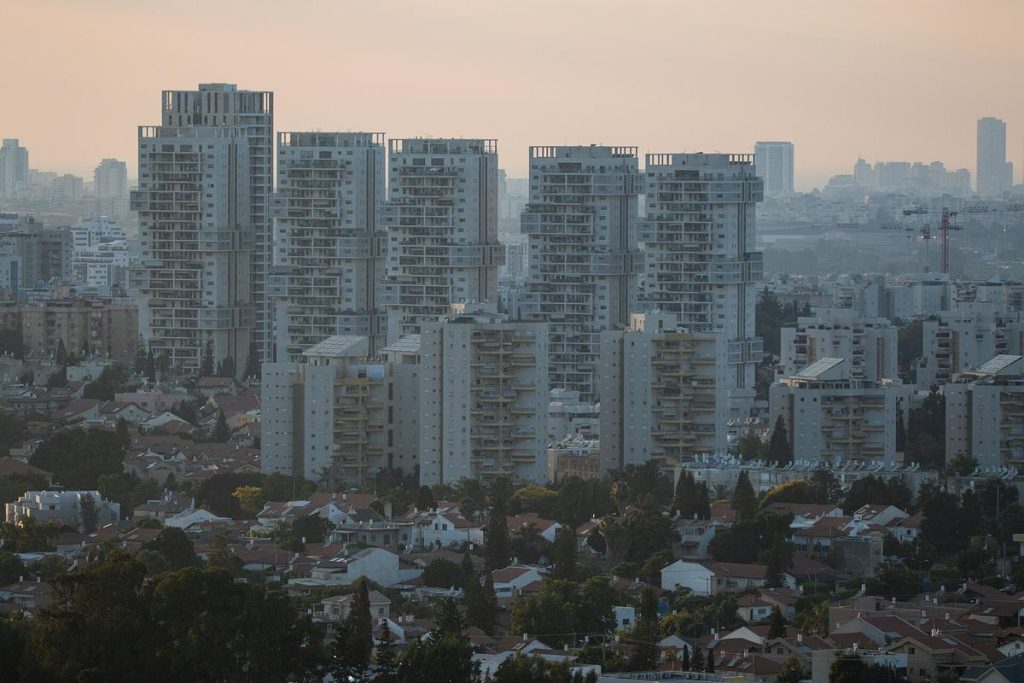
The security of a rental apartment in Tel Aviv relies on two distinct pillars: civil protection via the mamad and the prevention of technical hazards related to water and electrical installations. For an owner, this involves verifying the seal of protection devices, checking the condition of the mazgan, and ensuring the electrical panel is compliant. Rigorous management of this equipment limits the risk of property degradation and disputes with tenants.
Quick answer: Tel Aviv rental apartments typically feature robust security systems including Mamad (panic button) installations, electronic door locks, and video surveillance. These measures are standard in most residential buildings to ensure tenant safety and control access to common areas.
The mamad: absolute priority for structural security
In Tel Aviv, the presence of a secure room, the mamad, defines the value and compliance of the apartment. Unlike a simple windowless room or a bedroom without protection, the mamad meets strict construction standards dictated by civil defense. We systematically verify the seal of the armored door and the operation of the specific rolling shutters that close the room. A door with worn seals no longer fulfills its function of protection against gas or pressure.
The inspection must focus on the ventilation system. A mamad must allow for controlled air circulation without compromising the airtightness of the room. In older Tel Aviv buildings, some owners believe they have a secure room when it is actually just a structural modification without certification. We advise having a professional certify that the closing mechanisms and door seals are in perfect working order before every new rental. This prevents the tenant from finding themselves in a non-compliant room during an alert.
The distinction between a standard living space and the mamad is crucial for owner liability. If the tenant uses the mamad as a standard bedroom, the wear on the seals and the armored door mechanisms must be monitored. Regular maintenance of the shutter closing rails is a simple preventive measure to avoid a mechanical blockage that would render the room unusable in an emergency.
Securing access and key management in Tel Aviv
The urban density of Tel Aviv and the activity of its neighborhoods require special attention to entry points. Installing high-security locks is a direct measure to prevent intrusions. We proceed with the installation of high-quality cylinders on entrance doors to limit the risks of picking or drilling. Access management is a sensitive issue, especially when you wish to rent from abroad without being able to intervene physically.
For owners who do not reside locally, setting up secure key boxes can be an option for emergency interventions. However, this method must be governed by strict protocols so as not to compromise tenant security. The management of duplicate keys is also a matter of responsibility. In the event of the loss of a tenant’s teoudat zeout or their arev, access can become problematic if identity verification procedures are not clear.
We recommend keeping a precise registry of keys and access codes. If you must hand over keys in Tel Aviv remotely: secure your rental, ensure that the transmission method is traceable. Access security does not only concern the front door, but also the management of access to the building’s common areas, which are often shared with many residents.
Protection against technical risks: water and air conditioning
Water damage is one of the most frequent claims in Tel Aviv apartments. The presence of a doud shemesh (solar water heater) on the roof or terrace involves piping that often runs through the apartment. We recommend installing water leak sensors strategically placed near main inlets and under the connection points of the doud shemesh. These devices allow for early detection before water infiltrates the ceilings of neighbors.
The mazgan (air conditioner) is an omnipresent piece of equipment that requires technical monitoring. Poor maintenance of condensates can cause water leaks inside walls or on facades, leading to disputes with the vaad bayit. We check the condition of recovery trays and the slope of drainage pipes during apartment inspections. A poorly installed or dirty air conditioner can also cause electrical short circuits if water infiltrates the indoor units.
The distribution of responsibilities regarding air conditioning maintenance must be clear from the signing of the lease. If a tenant neglects filter cleaning, it can lead to excessive consumption or motor failure. For the owner, an annual check of the airtightness of air conditioning connections is a measure to protect the asset. This avoids costly repairs to plumbing systems integrated into the walls.
Electricity and installation compliance in older buildings
Tel Aviv has a very diverse real estate stock, mixing recent buildings with « Bauhaus » style buildings or older constructions. In older properties, electrical wiring may not be adapted to the consumption of modern appliances (powerful air conditioners, induction cooktops, dishwashers). We advise having a professional certify the compliance of the electrical panel. An electrician must verify the presence and condition of residual current devices.
Installing appropriate residual current devices is an essential safety measure to prevent risks of electrocution and fire. In older buildings, circuits are sometimes undersized, causing frequent outages or cable overheating. We perform a check of the maximum load supported by the electrical panel before renting a property that will receive energy-intensive equipment.
The difference between the standards of recent buildings and older buildings is marked. In new constructions, grounding and circuit protection are standardized. In older buildings, it sometimes happens that certain circuits are not adequately protected. An owner who wishes to Rent an apartment in Tel Aviv as a non-resident: the rules must ensure that the electrical installation does not constitute a legal risk in the event of an electrical fire. Technical compliance is the first line of defense against major claims.
Fire safety and common area management
Apartment security does not stop at the front door; it also depends on the immediate environment of the building. The vaad bayit is responsible for the maintenance of collective security equipment, such as emergency lighting in stairwells or the condition of fire doors. We recommend periodically verifying that stairwells are clear and that emergency exits are not obstructed by residents’ personal items, a common practice in dense buildings.
Inside the apartment, installing standalone smoke detectors is a simple and effective fire prevention measure. Although regulations may vary depending on the age of the building, these devices offer additional security for occupants. We verify that these detectors are functional and that the batteries are operational during the move-out inspection. A faulty detector can be an argument used by a tenant to waive liability in the event of a claim.
The role of the vaad bayit is central. If the building has a centralized fire detection system or an elevator with specific safety standards, the owner must ensure that the building fees cover the maintenance of these systems. A lack of maintenance in common areas can directly impact the security of the private apartment and the owner’s liability in case of an accident in shared zones.
Legal security: protecting asset value
Technical security must be paired with legal security to protect the investment. The lease drafting must include specific clauses regarding the use of the mamad. It should be specified that this space is a protection zone and that any structural modification or degradation of the closing mechanisms is the responsibility of the tenant. This helps maintain the integrity of the secure room over the long term.
The use of the shtar ’hov is an important guarantee tool. Although it is not insurance, this promissory note signed by the tenant and their arev allows for the guarantee of payment for necessary repairs in case of degradation of security equipment. If a tenant damages the mamad ventilation system or the electrical panel, the shtar ’hov provides a basis for obtaining compensation without going through complex collection procedures.
Finally, the condition of the apartment and the compliance of its equipment are linked to reporting obligations to the reshut ha-misim. A property with degraded or non-compliant installations can pose problems during the declaration of rental income or during a potential sale subject to mas shevach. A secure and well-maintained apartment is an asset that meets the standards expected by the tax administration and facilitates the transfer of the property, particularly within the framework of yerusha or tzava’a.
| Equipment | Primary Use | Recommended Inspection Frequency |
|---|---|---|
| mamad door | Civil protection and intrusion prevention | Annually (check seals and hinges) |
| Smoke detector | Fire prevention | Every 6 months (battery test) |
| Water leak sensor | Protection against water damage | At each change of tenant |
| Residual current device | Electrical safety | After any network intervention |
Before signing a lease in Tel Aviv, demand a written report on the state of the electrical and plumbing installations. Do not settle for a visual inspection; ask a professional to confirm the proper functioning of the mazgan and the airtightness of the mamad. This preventive approach is the only way to limit your liability in the event of a technical failure or a lack of civil protection.
Frequently asked questions
What is a Mamad system in an apartment?
A Mamad is a panic button system installed in many Israeli homes. It allows residents to instantly alert the police or a security center in case of an emergency or break-in. Most modern rental apartments in Tel Aviv come with this feature pre-installed.
Are electronic locks standard in Tel Aviv rentals?
Yes, electronic keycard or keypad locks are very common in Tel Aviv residential buildings. They enhance security by controlling who can enter the building and the apartment, reducing the risk of unauthorized access compared to traditional keys.
Do I need to install my own security camera?
While many buildings have external surveillance cameras covering entryways and parking areas, interior cameras are not always provided. You should check with your landlord or the building management to see what is included before deciding to install additional equipment.
How does building security affect my safety?
Building security plays a major role in your overall safety. Features like secure lobbies, intercom systems, and monitored parking areas help prevent intruders from entering the premises. Always verify the condition of these systems when signing a lease.

Gestion locative en Israël pour propriétaires francophones. Bureaux à Netanya, 26 Dizengoff. Une question sur votre bien ? Écrivez-nous.