Tenant Damages Penthouse Terrace: Who Pays in Israel?
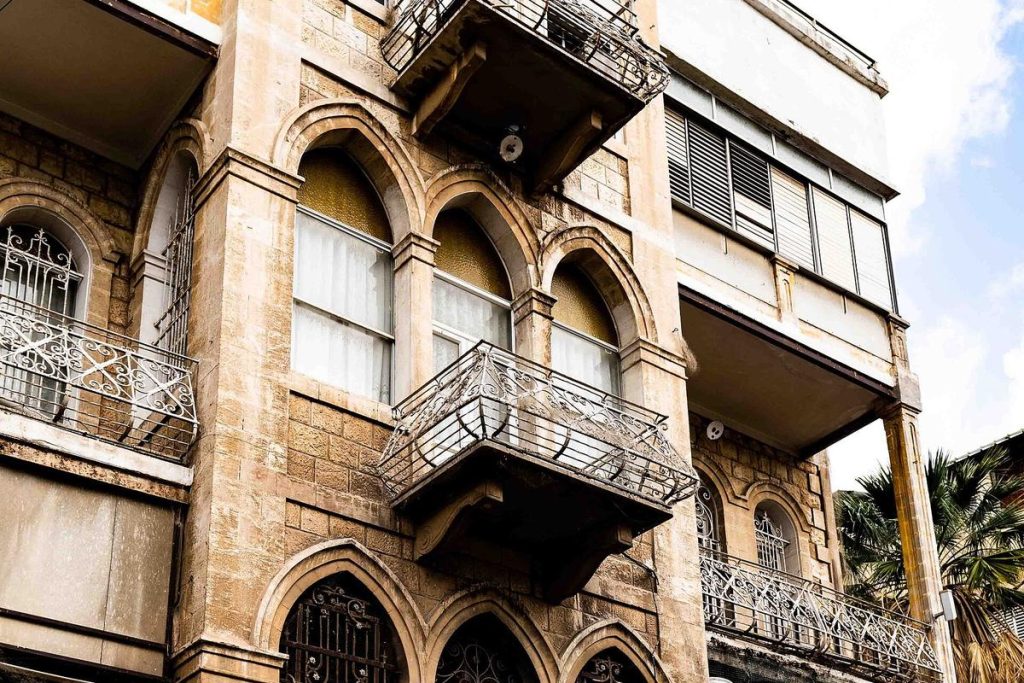
The legal status of the terrace: exclusive or common property?
Before initiating any proceedings, you must determine if the terrace belongs exclusively to your apartment or if it is part of the building’s common areas. This distinction radically changes how repair costs are distributed.
In Israel, property is defined by the tabou, the land registry. Verify the exact description of the unit in this registry. If the outdoor surface is included in the apartment description and walls or fences delimit it from the outside, it is exclusive. The tenant has exclusive use. In this case, any structural or material damage caused by improper use (storing heavy materials, unauthorized installation, negligence) is attributable to them.
If the terrace is open, accessible from multiple floors, or simply an extension of the building roof without partitions, it is generally considered a common area. Here, the tenant is only responsible for direct damage they caused (holes, cracks, stains). Normal wear, joint degradation, or leaks due to age fall under the collective responsibility of the co-owners. You cannot ask the tenant to pay for a complete waterproofing overhaul if it deteriorated over time.
Consult the cadastral plan and the co-ownership bylaws. The latter often specify rules for using outdoor spaces. If the bylaws prohibit access to the roof for top-floor residents, the terrace remains communal. If it is exclusive, ensure the lease explicitly mentions this surface and its limits. This detail avoids disputes over the nature of the damage: natural wear or tenant fault.
The limits of building inspections (bedek bayit) on rooftops
When facing damage, the first step is to have the facts documented by a professional. In Israel, this is called bedek bayit, a technical inspection initiated by the parties. Unlike in the United States, there is no mandatory pre-lease habitability inspection. This is a contractual and evidentiary step.
For a penthouse terrace, a simple visual visit is not enough. Damage is often invisible: water infiltration under the finish layer, microscopic cracks in the concrete structure, corrosion of rebar. The hired professional must use appropriate tools to detect moisture and assess stability. They must clearly distinguish the origin of the problem.
The written report is crucial. It must specify if the damage comes from a construction defect (responsibility of the builder or owner), normal wear (responsibility of the owner or co-ownership), or tenant fault (responsibility of the tenant). A photo proves nothing about the origin. Only a detailed technical report, signed by an engineer or building expert, has solid evidentiary value in court.
If the terrace is common, the inspection must be requested from the co-ownership committee. If it is exclusive, you can hire the professional yourself, but inform the tenant so they can attend or contest the findings. This report will serve as the basis for repairs or legal action. It defines the nature of the necessary work and its estimated cost, which is essential for assessing the damage suffered.
The burden of proof and the move-in condition report
Tenant liability is proven by the difference between the terrace’s condition at move-in and move-out. Without proof of the initial state, it is difficult to attribute damage that occurred during the tenancy. This is why the move-in condition report must be exhaustive.
Document the terrace’s condition with timestamped and geolocated photos. Photograph the joints, surfaces, gutters, and shaded areas where moisture lingers. If the apartment has a mamad (secure room) accessible from the terrace, check the condition of the windows and frames. Any existing crack or stain must be noted. These documents serve as proof of the pre-lease state.
In the absence of a habitability inspection, proof relies on these observations. If the tenant contests the damage, they must prove it existed before they moved in. This is a difficult burden of proof to carry without clear photos. At move-out, conduct a joint condition report. If new damages appear, the tenant is presumed responsible unless they prove otherwise (force majeure, hidden defect).
Observations recorded during key handover have significant legal value. They formalize the tenant’s acceptance of the condition report. In case of dispute, the court will rely on these documents to determine if the damage occurred during the occupancy period. Do not neglect this administrative step. It is the first line of defense for recovering repair costs. If you manage your property through our property management, we ensure the rigor of these observations and the preservation of digital evidence.
The role of the guarantor (arev) and the promissory note (shtar ’hov)
Many owners think the shtar ’hov (promissory note) covers all risks. This is a frequent error. The shtar ’hov is a debt acknowledgment signed by the tenant and their guarantor. It guarantees the payment of due rent and charges. It does not systematically cover material damage caused to the property.
The arev (guarantor) is jointly liable with the tenant for financial debts. For terrace damage, you must first obtain an invoice or repair quote. This amount becomes a debt of the tenant to the owner. The arev is then required to pay this amount if they signed the shtar ’hov in a way that covers « damages and interest » or « losses and damages. » Verify the exact clause of the note. If it is limited to rent, the guarantor owes nothing for roof repair.
The bank guarantee, often required as a supplement, is generally insufficient to cover major roof work. It serves to cover unpaid rent or minor damages. For structural repair, the cost far exceeds the guarantee amount. You will therefore need to initiate direct action against the tenant and, if applicable, against the guarantor for the balance.
This distinction is essential. Do not count on the guarantee to finance heavy work. Plan a repair budget or use your insurance. The shtar ’hov remains a powerful tool to recover costs once the amount is fixed, but it does not replace a prior assessment of the damage. If the tenant refuses to pay, the promissory note enforcement procedure is fast, but it assumes the debt is clearly established and documented.
The obligations of the manager and the co-ownership (vaad bayit)
If the terrace is a common area, financial responsibility falls to the building, managed by the vaad bayit (co-ownership committee). The penthouse owner cannot unilaterally commit to costly work on a common surface, even if they are the de facto sole user.
Normal material wear, waterproofing joint degradation, or structural repairs due to age are the responsibility of the co-ownership. The committee must vote on the work in a general assembly. If the committee refuses or delays the work, the penthouse owner may find themselves in a blocked situation. They cannot force other co-owners to pay for a repair they consider non-urgent.
However, if the damage is caused by the penthouse tenant, the responsibility is personal. The vaad bayit can ask the tenant to reimburse the costs incurred by the co-ownership for the repair. This is an internal recovery procedure. The owner must prove that the tenant caused the damage. Without clear proof, the burden falls on the common budget, which increases charges for all co-owners, including the penthouse owner.
It is crucial to clearly define the nature of the terrace in the co-ownership bylaws. If it is exclusive, the owner assumes routine maintenance. If it is common, maintenance falls to the vaad bayit. This distinction avoids funding conflicts. In case of doubt, consult the building’s founding documents. Israeli co-ownership law imposes transparent management of common funds. Any work on common areas must be voted on and billed to the building budget.
Home insurance and specific exclusions
The owner’s home insurance often covers damage caused by covered events: storm, fire, falling object. It may also cover the owner’s civil liability. But it generally excludes intentional damage or tenant negligence, unless there is a specific clause.
Deductibles and exclusions for outdoor elements are common. Roofs, terraces, and balconies are often excluded or covered under strict conditions. Check your insurance policy. If the terrace is exclusive, you must have insurance specifically covering this surface. If it is common, the co-ownership insurance must cover common areas. In case of damage by the tenant, your insurance will not pay for the repair, as it is a tenant fault. You must act against the tenant or their guarantor.
The claim procedure is strict. You must inform the local insurance company quickly. They will send an expert to assess the damage. This expert will work in parallel with the professional hired for the bedek bayit. The insurance expert’s conclusions determine the compensation amount if the event is covered. For damage by the tenant, insurance does not apply. It is a direct recourse against the tenant.
Do not assume your insurance covers everything. Israeli policies are precise about exclusions. A terrace not covered by insurance must be protected by a sufficient guarantee and a solid shtar ’hov. In case of dispute, the insurance expert can also help establish the cause of the damage, which is useful for the legal procedure. But do not count on it to pay for work if tenant fault is established.
Recourse in case of dispute: mediation and court
In case of disagreement over responsibility or repair costs, the first step is mediation. In Israel, mediation is encouraged for residential disputes. It is less costly and faster than a trial. A neutral mediator helps the parties find an agreement on the share of responsibility and the amount to be paid.
If mediation fails, the recourse is the district court. Judges are competent for residential lease disputes. They will rely on the condition report, the bedek bayit report, the co-ownership bylaws, and the shtar ’hov. The court will determine if the damage is attributable to the tenant and set the amount of damages.
Statutes of limitations for recovering repair costs are short. Act quickly after the end of the lease. If you wait too long, the tenant can invoke the statute of limitations. Israeli law sets deadlines for civil liability actions. Do not let time work against you. A quick action, based on solid evidence, increases the chances of success.
The court can also order the forced execution of the shtar ’hov if the debt is recognized. This is a fast procedure. The judge can seize the assets of the tenant or the guarantor to cover the amount due. This procedure is effective if the note is well drafted and the debt is clearly established. In case of complex dispute, consult a lawyer specializing in Israeli real estate law. The procedure is technical and the nuances of local law are decisive.
| Terrace Status | Liability for Damage | Primary Recourse |
|---|---|---|
| Exclusive (registered in tabou) | Tenant if fault proven | Action against tenant and arev |
| Common (part of the building) | Co-ownership if wear, Tenant if fault | vaad bayit vote or internal recovery |
| Owner Insurance | Coverage limited to covered events | Claim to company, expertise |
- Verify the tabou to confirm the exclusive or common status of the terrace.
- Conduct a move-in condition report with timestamped photos of the terrace and windows.
- Have damages documented by a professional via a specific roof bedek bayit.
- Check the shtar ’hov clause to see if the arev covers material damage.
- Consult the co-ownership bylaws to determine maintenance costs if the terrace is common.
- Act quickly in case of dispute to respect statutes of limitations.
To avoid disputes over your penthouse terrace, clearly define its status in the lease and co-ownership bylaws. Require an exhaustive photo condition report at move-in and move-out. In case of damage, have the facts documented by a professional before starting work. If the terrace is common, involve the vaad bayit from the start. For more details on nuisances related to the use of these spaces, consult our article on terrace noise and neighborhood in Israel. If you are considering heavy renovations, read our advice on permission to install a jacuzzi.

Gestion locative en Israël pour propriétaires francophones. Bureaux à Netanya, 26 Dizengoff. Une question sur votre bien ? Écrivez-nous.