Tenant-Neighbor Conflict in Haifa: Determining Responsibility
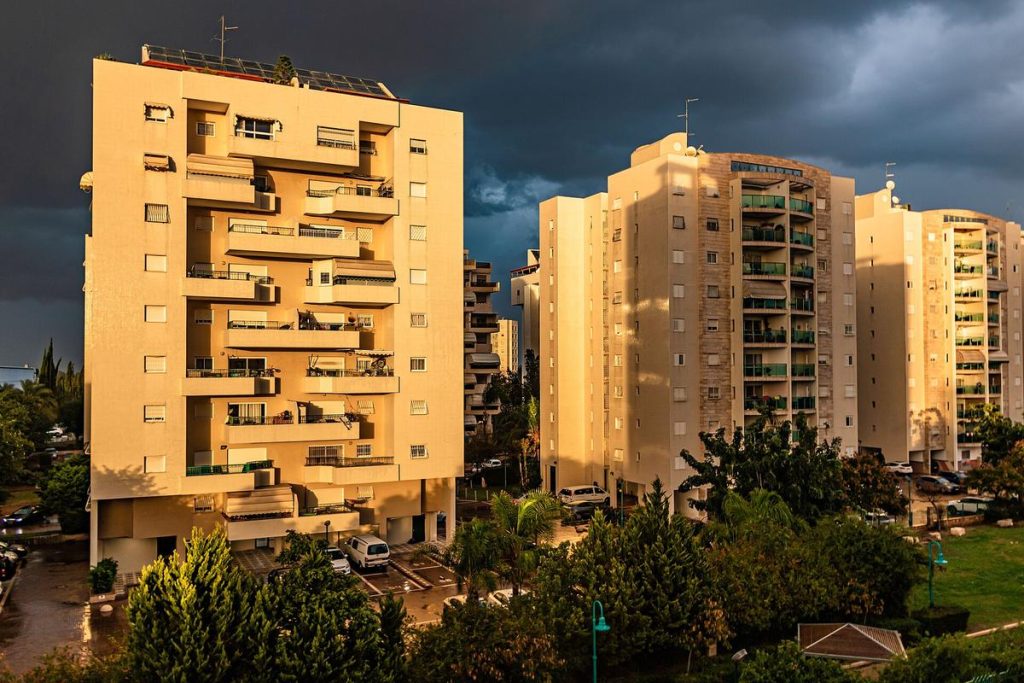
Resolving a neighbor dispute in Haifa starts with legal triage: a nuisance originating from common areas falls under the jurisdiction of the vaad bayit, while an issue stemming from a private apartment engages the direct liability of the tenant or the owner. The shtar ’hov signed by the tenant has no value in a dispute with a third-party neighbor. Evidence must be established through professional assessments and police reports before filing a claim with the Haifa local court.
The legal boundary between vaad bayit and direct neighbor relations
In Haifa, as in the rest of Israel, the distinction between collective and individual liability is clear. If the nuisance comes from a common element, such as a main pipe or a defective elevator, the dispute falls within the framework of the building association. The vaad bayit must intervene. Conversely, if noise, odor, or water infiltration originates from a specific apartment, the relationship becomes bilateral between the complainant and the occupant of that unit. The lease does not transfer responsibility for common areas to the tenant. Some owners attempt to have tenants sign abusive clauses requiring them to cover structural repairs for the building. These clauses are illegal. The tenant pays the vaad bayit for routine maintenance, but the responsibility for the structure remains with the owner.
The Haifa municipality and local police intervene for public nuisances, particularly excessive nighttime noise or hygiene issues affecting public spaces. Their role is distinct from that of the civil court. Police can issue a report, but they do not resolve civil disputes. The civil court, however, evaluates damages. It is crucial to identify the source immediately. A misclassification leads to wasted time and ineffective legal action. If the problem is technical and related to the building, contact the management company. If it is behavioral or related to the private use of the apartment, initiate civil proceedings. This distinction prevents waiting for a building association meeting to address an issue that falls under neighbor law.
The shtar ’hov against a neighbor: an ineffective tool
The shtar ’hov is a promissory note, a debt acknowledgment signed by the tenant and their arev (guarantor) at the time of signing the lease. It guarantees the payment of rent and fees. It is not an insurance policy and does not cover damages caused to third parties. Many owners mistakenly believe they can demand that the guarantor repair damages caused by the tenant to a neighbor. This is legally impossible. The arev is only liable for the financial payments stipulated in the contract. They are not responsible for tortious acts or noise nuisances.
To act against a neighbor, the first step is a written formal notice, drafted in Hebrew. This document must precisely describe the nuisance, its frequency, and demand a remedy within a specific timeframe. Without this letter, a lawsuit for nuisance is often inadmissible or rejected for lack of an attempt at amicable resolution. The letter must be sent via registered mail or delivered in person with a receipt. It formalizes the intent to resolve the issue without going to court. If the neighbor ignores this formal notice, you then have evidence of their bad faith. The shtar ’hov remains irrelevant in this dispute, as it only concerns the landlord-tenant relationship. Never confuse payment guarantees with civil liability.
Organizing evidence without a « usage inspection »
In Israel, there is no mandatory « technical inspection » for neighbor disputes, unlike practices in France. The burden of proof lies with the complainant. You must build a solid factual file before taking the matter to court. This file includes timestamped photos and videos showing the progression of the nuisance or damages. Written testimonies from uninvolved third-party neighbors strengthen the credibility of your account. If the nuisance is noise-related, a sound level measurement performed by a certified acoustician constitutes scientific evidence that is difficult to contest.
Have the damages assessed by a professional, such as an engineer or an electrician, at your own initiative. This is not an inspection imposed by a public authority; it is your need for proof. The professional’s report describes the state of the premises, the probable cause, and the estimated cost of repairs. Simultaneously, file a formal complaint with the Haifa police. The police report, while it does not resolve the civil dispute, is an official document that attests to the reality of the situation and the lack of amicable resolution. Police can also intervene to stop an ongoing nuisance, particularly if it poses a safety risk. These elements form the foundation of your case. Without objective proof, the court will rely on contradictory statements, which is risky.
The role of the management company and the vaad bayit in arbitration
If the nuisance originates from common areas, the management company and the vaad bayit are the direct points of contact. The vaad bayit is the management body of the building association. It decides on works and interventions. You must contact the management company in writing to demand intervention on common areas, citing the building’s bylaws. These bylaws define responsibilities and voting procedures for works. If the management company remains inactive, you can request an extraordinary meeting of the vaad bayit to vote on the repair.
Verify that the costs of repairing common areas are included in the vaad bayit fees paid by the tenant. If the tenant does not pay the vaad bayit, this can block collective works. Consult our article on the procedure in Haifa when the tenant does not pay the vaad bayit to understand the collection mechanisms. In a neighbor dispute related to a leak in common pipes, the vaad bayit finances the repair. The tenant is not responsible for the wear and tear of main pipes, unless they caused the damage through negligence. The distinction between normal wear and tenant fault is decisive. If the tenant caused damage to common areas through direct action, they may be held liable, but the procedure goes through the vaad bayit, which will decide on the billing.
Haifa specifics: sloping terrain and infrastructure
Haifa has topographical particularities that influence neighbor disputes. The city is built on hills, creating significant elevation differences between buildings and streets. Water infiltration related to the topography is frequent. Rainwater naturally flows downward, which can cause flooding in basements or lower floors if gutters and drains are not maintained. These issues are often sources of conflict between floors or between neighboring buildings.
Check the condition of common gutters and drains. Their poor state is a major cause of disputes. The municipality’s responsibility covers public roads and sewers. The owner’s responsibility covers internal installations and the roof. If water enters the apartment because a common gutter is clogged, it is a building association issue. If it enters because the roof of the upper apartment is cracked, it is an individual issue. In Haifa, older buildings often have drainage problems related to the slope. A building inspection (bedek bayit) by a professional can help identify the exact source of the infiltration. Do not assume the municipality is responsible. Verify where the boundary between public space and private property lies. This geographical precision is essential for directing the claim.
Going to the family court or the local court
If amicable efforts fail, recourse to the court is inevitable. For classic neighbor disputes, the Haifa local court has jurisdiction. If minors are involved in the nuisance or are victims of it, the family court may be seized. The procedure begins with the filing of a petition. You request an injunction to cease the nuisance and the payment of damages for moral or material harm. Moral harm is recognized in Israel for prolonged enjoyment disturbances.
Hiring a local lawyer is essential. Proceedings are in Hebrew, and the translation of evidence is a critical point. A lawyer knows the practices of the Haifa local court and can accelerate the processing of the request. Budget for court fees and attorney fees. These costs add to the harm suffered. The court may order a judicial expert if the parties present contradictory reports. This expert is appointed by the judge, not by the parties. The verdict may include an obligation for the neighbor to carry out repair works. If the neighbor does not comply, the court may order the repair to be done by a company chosen by the complainant, at the neighbor’s expense. The procedure is long, but it is the only way to obtain forced execution.
Protecting the asset and the tenant over time
To prevent future conflicts, the lease agreement must be clear. Require the tenant to immediately report any aggression or threat coming from a neighbor. A termination clause for serious fault can be included if the tenant does not report an imminent danger to the building’s safety. Verify that the tenant’s home insurance covers civil liability. This insurance must cover damages caused to others, including neighbors and common areas. If the tenant has no insurance, they expose the owner to financial risks.
Update the contract to include a solidarity clause in case of damage to common areas, if the law permits. This clause specifies that the tenant is responsible for damages caused by their fault. When the tenant leaves, verify that they do not leave behind any vaad bayit debts. Consult our article on the tenant leaving with vaad bayit debts to know how to act. Professional property management, such as that offered by our property management, includes monitoring relations with the vaad bayit and resolving disputes. An absent owner must rely on a local structure to manage these interactions. Prevention relies on contract clarity and rigorous insurance monitoring.
In case of a neighbor dispute in Haifa, do not sign any verbal agreement. Everything must be written in Hebrew. If the nuisance originates from common areas, send a written complaint to the management company and the vaad bayit. If it originates from a private apartment, send a formal notice to the tenant or the neighboring owner. Build your evidence file (photos, videos, expert reports) before filing with the local court. Do not rely on the shtar ’hov to resolve a dispute with a third party.

Gestion locative en Israël pour propriétaires francophones. Bureaux à Netanya, 26 Dizengoff. Une question sur votre bien ? Écrivez-nous.