Vaad Bayit: Rules for Paying and Managing Building Fees
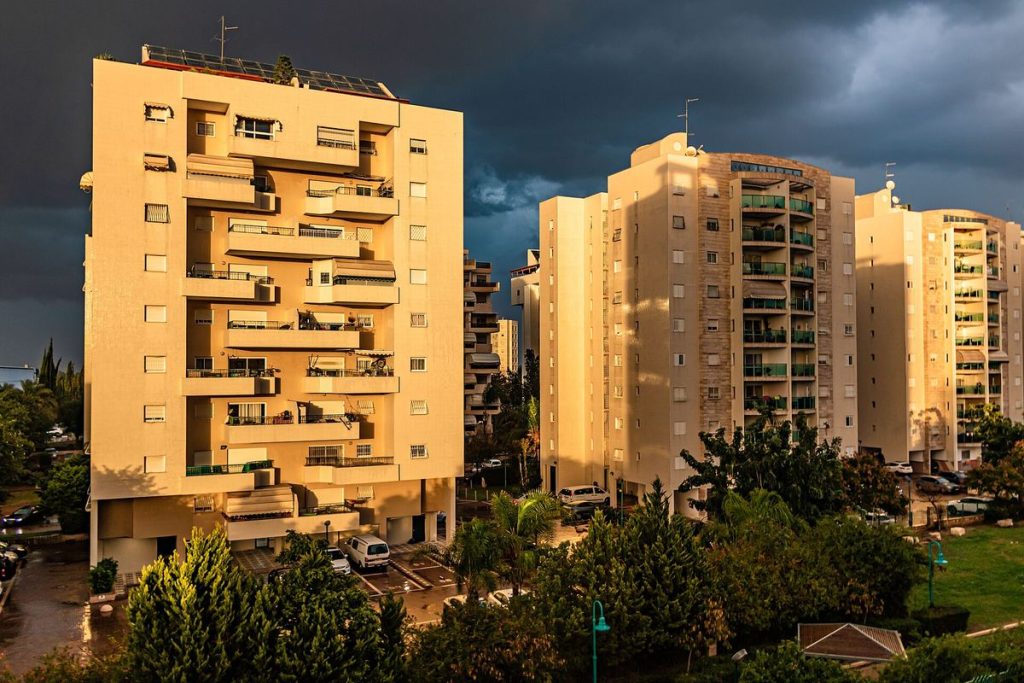
To pay the vaad bayit, you must identify if the building has a professional manager or a volunteer residents’ committee. Payment is generally made by bank transfer, by check, or, in some cases, in cash to the building representative. We advise systematically including these fees in the lease agreement to clearly define whether the owner or the tenant assumes the cost based on the nature of the expenses.
The distinction between municipal bills and the vaad bayit
Confusing tax obligations with property management fees is a common mistake for non-resident owners. In Israel, the municipal administration issues a bill for the arnona, which corresponds to property tax. This tax is collected by the municipality to fund city public services, such as trash collection or street lighting. Payment of the arnona does not cover the internal maintenance of your building.
The vaad bayit, on the other hand, represents the management fees for the property. These funds are used to pay the caretaker, elevator maintenance, electricity for common areas, and cleaning of the stairs. The entities involved are completely distinct: the municipality manages the arnona, while a residents’ committee or a management company manages the vaad bayit. To avoid confusion, we recommend consulting The vaad bayit and how property management fees work in Israel to properly separate these two financial flows.
Regarding delays, the responsibility for the arnona lies with the owner toward the municipality, even if the lease agreement provides that the tenant assumes the cost. In the event of non-payment of the arnona, the municipality may contact the owner directly. For details on managing this specific tax, read our article Owner in Israel: paying arnona remotely and avoiding unpaid bills.
Methods of collection and payment for the vaad bayit
The method of paying the vaad bayit varies depending on the building’s structure. In large residences in Netanya, a professional manager often uses bank transfers or mobile payment applications. In older or smaller buildings, payment is made by check or sometimes in cash to the committee member in charge of collection. This latter practice requires increased vigilance on your part.
Unlike systems in other countries, there is no standardized or uniform invoice for the vaad bayit. Receipts are often manual or produced by simple spreadsheets. We systematically verify these receipts for our clients to guarantee the traceability of payments. If you manage your property remotely, using cash presents a risk of losing proof of payment in the event of a dispute.
We recommend setting up an automatic transfer from an Israeli bank account for buildings with a manager. This eliminates manual check management and prevents oversights. If payment must be made in cash, we ask the tenant to send us a photo of the manual receipt immediately after the transaction.
Cost allocation: what is the responsibility of the owner and the tenant
The allocation of fees is based on the distinction between routine maintenance and structural work. The tenant is responsible for daily operating costs. The owner assumes expenses related to the building’s long-term integrity. To avoid tension, the lease agreement must precisely list these categories.
Here is the typical breakdown we apply as part of our property management services:
- Tenant’s responsibility: common area electricity, regular cleaning, minor maintenance of shared equipment, and common water consumption if included in the service fee package.
- Owner’s responsibility: elevator repair, replacement of a central mazgan, roof repair, or major maintenance of the collective doud shemesh.
Technical equipment is a special case. If a breakdown occurs on a mazgan that serves the entire building, the cost of the structural repair falls to the owner. If the tenant damages equipment through improper use, the repair is their responsibility. We verify the cause of the breakdown before determining financial responsibility.
The role of the vaad bayit in building maintenance
The vaad bayit ensures the technical maintenance of the building. To ensure that the condition of the common areas meets expectations, it is possible to hire a professional to perform a bedek bayit. This building inspection is a voluntary precautionary measure that allows for a list of necessary repairs before they become costly or dangerous. It is not a legal obligation, but a preventive tool for the owner.
In case of an emergency, such as a water leak in the main pipes or an elevator breakdown, the committee intervenes to call repairmen. We monitor these interventions to verify that the work performed by the building committee complies with the presented quotes. As an owner, you remain responsible if damage to common areas is caused by a third party or by a major maintenance defect that the vaad bayit should have reported.
We review maintenance contracts (elevator, water pumps) to ensure the building is covered against the risk of major breakdowns. This helps anticipate exceptional fund calls that may occur to finance structural work.
Managing unpaid fees and property disputes remotely
A tenant who does not pay the vaad bayit jeopardizes the financial balance of the building and can lead to tension with neighbors. The first step is to send a formal reminder to the tenant. If non-payment persists, we use the shtar ’hov. This promissory note, signed at the time of the lease, helps guarantee contractual obligations, including fees, without acting as insurance.
Do not confuse a property debt with a tax debt. A vaad bayit debt is a private debt between the resident and the committee. A debt to the reshut ha-misim concerns taxes (such as mas hachnasa or mas shevach) and falls under the tax administration. Collection procedures are completely different.
For owners residing abroad, we can act as proxies to represent you at property meetings. This allows you to vote on maintenance budgets or major works without having to travel. We follow the decisions made to ensure they do not harm the value of your property.
| Type of charge | In Israel | In the US |
|---|---|---|
| Property tax | arnona | Property tax |
| Property management fees | vaad bayit | HOA fees |
| Management of works | Building committee or manager | HOA board or management company |
| Standard payment method | Transfer, check, or cash | ACH, check, or online portal |
The impact of the vaad bayit on lease management
Integrating vaad bayit fees into the lease agreement is a decisive step. The contract must specify whether the amount is a fixed fee or if it is recharged based on actual costs each month. We systematically include a clause detailing the allocation of charges to avoid any dispute regarding common equipment such as the central mazgan or hallway lighting.
Managing charge accounts becomes complex during inheritance (yerusha). If the owner passes away, the obligations related to the vaad bayit are transferred to the heirs. In this context, it is essential to have a tsav yerusha (probate order) so that the manager or the committee can identify the new legal representatives. We assist owners in transmitting this information to ensure continuity of payments.
When a tenant changes, we verify the regularity of payments with the building manager. This ensures that no property debt has been accumulated by the former occupant, which could impact the owner’s account or create disputes with the building committee.
Always demand a written receipt, even a manual one, for every payment made in cash to the vaad bayit. For stress-free remote management, prioritize buildings with a professional manager capable of issuing digital proof of payment.

Gestion locative en Israël pour propriétaires francophones. Bureaux à Netanya, 26 Dizengoff. Une question sur votre bien ? Écrivez-nous.