Touring a Rental Apartment for Sale in Israel
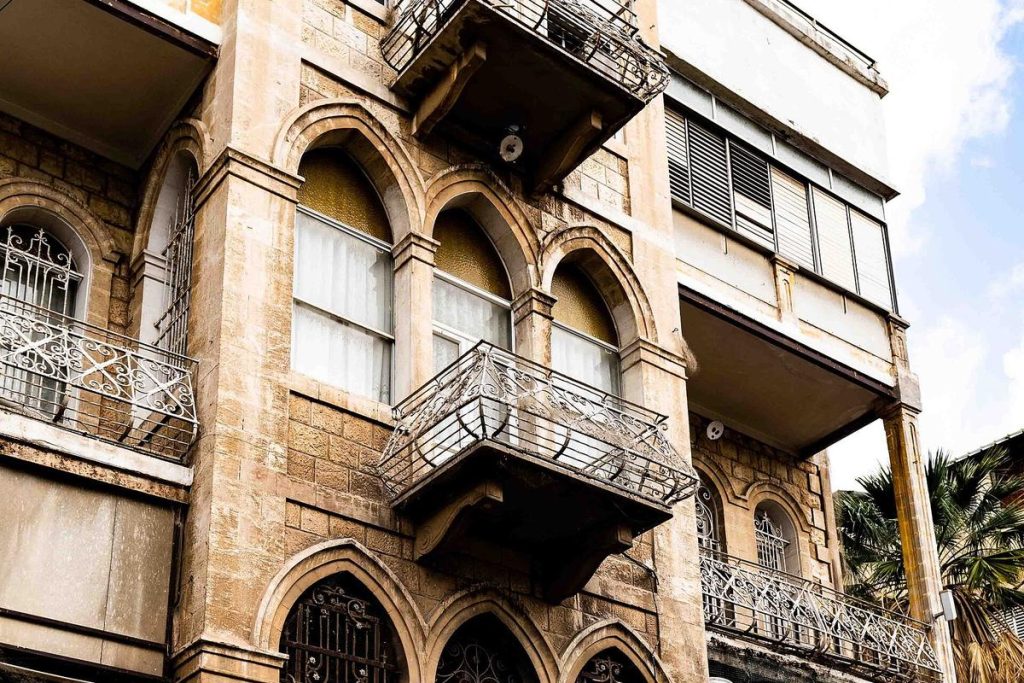
In Israel, a landlord does not have an automatic right to enter a rented property, even when it is listed for sale. The process requires the tenant’s prior written consent, obtained after a respectful notice that respects their right to housing. We organize these visits by coordinating time slots with the tenant and preparing the apartment according to strict security and administrative transparency rules.
Visit notice: the legal procedure in Israel
The first difference from the United States is fundamental: the landlord cannot enter the premises to show the apartment to a potential buyer without the tenant’s consent. Israeli law strongly protects the resident’s privacy. In the U.S., a lease clause may sometimes allow for showings; here, consent is a non-negotiable condition.
In Netanya and the central region, standard practice relies on a written letter sent a few days before the desired date. This letter must be neutral. It mentions the sale of the property and proposes one or two specific dates, along with a limited time window. It is essential to avoid any imperative tone. Terms like « obligation to let you in » or « forced visit » are prohibited. They can be interpreted as illegal pressure or an attempt at eviction, which could expose the owner to legal action.
We draft this letter with care. We clearly state that the visit will take place in the tenant’s presence. We specify that the objective is to show the current condition of the property, not to empty it. This transparency reduces resistance. The tenant knows they remain in control of their space. If the tenant does not respond, we follow up once. In case of continued silence, we do not force the issue. We adapt our marketing strategy, for example by prioritizing virtual tours or accepting a longer timeline. The relationship with the tenant must remain functional. A conflict at this stage can complicate the end of the lease.
Tenant consent: a suspensive condition
The tenant can refuse a visit without having to justify their reason. Their right to rest and tranquility is paramount. They have no legal obligation to accept a stranger entering their home, even if that stranger is a potential buyer. This refusal is not a fault. It does not justify a rent penalty or early termination of the lease.
In the face of a refusal, negotiating the time slot is key. Proposing a single fixed date increases the chances of rejection. We systematically propose three date options over two weeks. This shows our flexibility. We also accept atypical hours, such as evenings or weekends, if the tenant is amenable. The goal is to find a time when the tenant feels comfortable.
If the refusal is categorical, there is no immediate recourse to force the tenant. It is prohibited to use a bailiff to force the door. We never proceed with a unilateral entry. In this case, we inform the buyer of the situation. We propose alternatives: high-definition photos, detailed floor plans, or a deferred visit. If the tenant refuses all visits, we may consider suspending the active sale until the end of the lease. This decision is strategic. It avoids a dispute that could delay the transaction. We document every exchange in writing to trace the owner’s good faith.
Preparing the apartment with the tenant: best practices
Preparing the apartment for a visit is a collaboration, not a constraint. The tenant can be asked to put away personal items and leave the space clear, within reasonable limits. They cannot be forced to do repairs, repaint walls, or perform a deep clean. These tasks are the responsibility of the owner or the real estate agent.
Before the visit, we verify the functioning of essential equipment. The doud shemesh (solar water heater) must work correctly. If the water is cold, it distorts the buyer’s impression. Similarly, the mazgan (air conditioner) must be tested. An air conditioner that does not cool is a major defect that can lower the offer. We ask the tenant to leave the windows open to air out the space, but we do not impose changing curtains or furniture.
The tenant’s presence during the visit is mandatory. They act as a witness to the condition of the premises. Their presence protects the owner against potential accusations of damage by visitors. It also protects the tenant against unauthorized modifications. We emphasize this point in the notice letter. The tenant must know they are not alone. If the tenant wishes to be absent during the visit, we refuse. Security and proof of the initial condition take precedence over convenience. This rule is non-negotiable.
Managing the arnona and vaad bayit during the transition
During the sale period, charges continue to accrue. The arnona (municipal tax) and the vaad bayit (condominium fees) must be paid up to date. The tenant remains the primary debtor to the municipality and the condominium association, as they occupy the property. However, the owner must ensure that payments are made. An unpaid balance can block the final transaction.
The transfer of the vaad bayit occurs after the signing of the deed of sale. Before that, we update the owner’s contact details with the condominium association. This prevents billing errors. We provide the new bank details and billing address. The vaad bayit is often indexed to the use of common water and electricity. It is crucial to verify that the meter is in the name of the tenant or the owner, according to local convention.
The main risk lies in the arnona. If the change of ownership is not declared to the municipality, the tax may be recalculated retroactively. We verify that the change of owner declaration is filed on time. This step is simple but mandatory. A delay can result in penalties. We manage this administrative task for the owner. We ensure that the municipality has received the notification. This avoids surprises during the closure of the tax file. Payment continuity is the priority.
The mamad and security during visits
The mamad (safe room) or the mamak (common protected space) are sensitive zones. Buyers must not enter them without explicit authorization. These spaces are designed for security in case of conflict. Their integrity is paramount. We prohibit access to the mamad during visits. If the apartment does not have a mamad but has a mamak on the landing, we stay inside the apartment and do not go out onto the landing with the visitors.
Key management is strictly controlled. The tenant holds their own keys. The owner or the real estate agent holds a duplicate, used only for preparations or technical inspections. This duplicate is stored in a secure location. It is never left in the mailbox or under a flower pot. Handing keys to a visitor is prohibited. The tenant or the agent opens the door.
We verify the owner’s insurance policy. It must cover damages caused by visitors during visits. If a buyer breaks a tile or damages a piece of furniture, the insurance must intervene. We request a specific coverage certificate for the sale period. This verification is done before the first visit. In case of a coverage gap, we suspend visits until it is regularized. The physical and legal security of the premises is non-negotiable.
The shtar ‘hov and the end of the lease: preparing the exit
The end of the lease must be anticipated. The shtar ‘hov (promissory note) is a key document. It is signed by the tenant and their arev (guarantor). This document guarantees the payment of rents and charges until the actual departure. It covers unpaid rents during the vacancy or transition period. It is not an insurance, but a recognition of debt.
The role of the arev is crucial. They commit to paying if the tenant does not. We verify the guarantor’s solvency at the time of the lease signing. If the lease is old, we request an update of the guarantee. The departure agreement must include a non-objection clause regarding visits. The tenant agrees to accommodate reasonable visit requests. This clause is negotiated before the property is listed, not after.
We draft a written departure agreement. It specifies the date of vacating the premises, the condition of the keys, and the return of the security deposit. The shtar ‘hov is presented at this signing. The tenant and the guarantor sign. This document is kept by the owner. In case of a dispute, it allows for the seizure of the guarantor’s assets. Preparing this exit avoids conflicts at the end of the lease. We ensure that all documents comply with Israeli law.
The administrative file: the tabou and the tsav yerusha
Before showing the apartment, we verify the clarity of the tabou (land registry). The absence of mortgages, liens, or disputes is essential. A tabou burdened with debts makes the apartment unsellable. We request a recent copy of the registry. If the apartment is held in co-ownership, for example following a death, the situation is more complex.
In this case, a tsav yerusha (succession order) issued by the family court is necessary. It proves who the heirs are and their shares. Without this document, no heir can sell alone. If an heir has drafted a tzava’a (will), its validity must be verified. We manage these proceedings with the court. The process can take time. We inform the buyer of this step.
The mas shevach (capital gains tax) is a point of discussion. We inform the buyer that this tax exists. We do not provide exact figures, as they depend on the purchase date and the current value. The calculation method is complex. We recommend consulting a specialized accountant. Transparency on this tax avoids misunderstandings. The administrative file must be complete before signing. A clean tabou and a settled succession are the guarantees of the sale.
The case of the recalcitrant tenant: legal remedies
If the tenant refuses to vacate the premises at the end of the lease, remedies are limited. It is prohibited to change the locks or cut off water and electricity. These acts are illegal and constitute a violation of the right to housing. They can result in fines and damages.
The bedek bayit (building inspection) procedure can be used to document damages before departure. A professional is mandated to assess the condition of the premises. This report serves as proof in case of a dispute over the security deposit. It is not a legal obligation like French inspections, but a prudent practice.
If the lease is in the process of succession or yerusha, the family court can be petitioned. It can order the vacating of the premises. This procedure is lengthy. We prefer negotiation. We propose a departure bonus or an additional delay. As a last resort, we initiate an eviction procedure through the court. This is a costly and long solution. We advise against this path if possible. Managing the tenancy relationship is preferable to judicial conflict. We document each step to protect the owner.
Never attempt to enter a rented apartment without the tenant’s written consent. In Israel, this constitutes a violation of domicile. Use our property management service to coordinate these visits. We manage the notices, negotiations, and security. To understand the limits of the lease, read our article on A tenant wants a dog in the rented apartment in Israel. If the apartment is in co-ownership, consult our advice on Inheritance taxes on a rented apartment in Israel.

Gestion locative en Israël pour propriétaires francophones. Bureaux à Netanya, 26 Dizengoff. Une question sur votre bien ? Écrivez-nous.