Tracking Apartment Renovations in Israel: Key Safety Rules
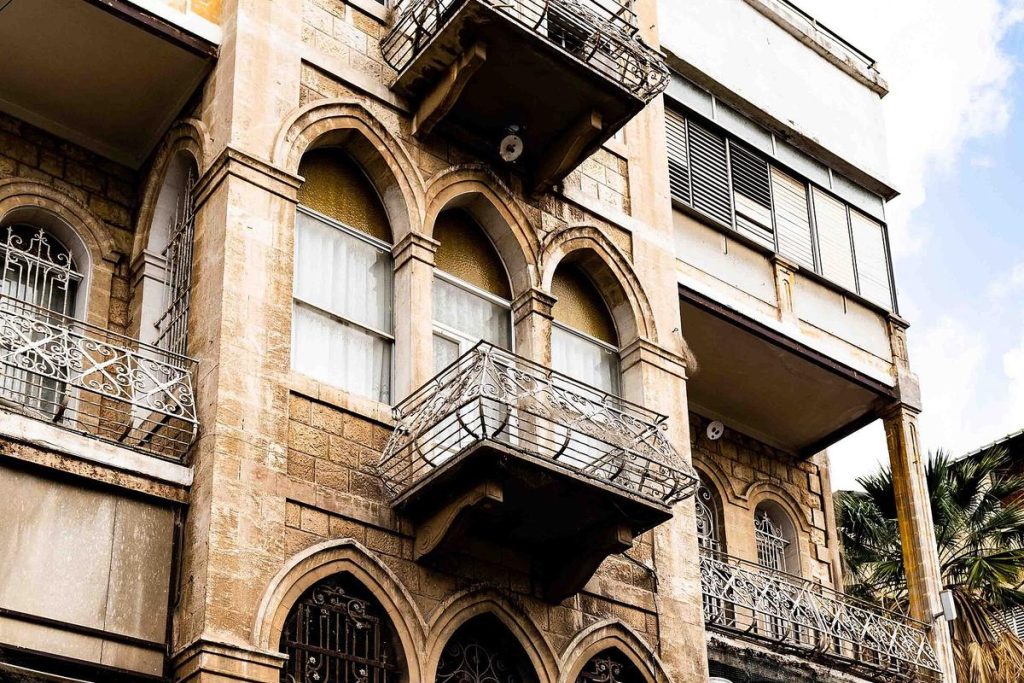
Remote renovation oversight requires appointing a local representative capable of physically validating construction progress before any funds are released. To avoid disputes, you must demand regular visual reports, verify the compliance of technical installations such as the doud shemesh, and secure your payments through installments linked to concrete milestones. Rigorous management relies on systematically comparing signed quotes against the reality on the ground.
Verify title compliance with the tabou before any work begins
Before ordering any materials or signing a contract with a contractor, you must confirm that the property is legally ready for modifications. Consulting the tabou is an essential preliminary step to ensure that the seller or current owner has the full capacity to dispose of the property. We verify the exact identity of the owner listed in the land registry to avoid paying funds to a person who does not have the right to initiate work.
This verification also helps detect the existence of mortgages or liens that could block the process in the event of a construction-related dispute. If you are in the acquisition phase, this step is part of the process described for Buying an apartment in Israel from abroad: key steps. A clean property title is the only guarantee that the work you finance will not be challenged by a third party.
- Verify the owner’s identity and the absence of liens or mortgages on the property via a land registry consultation.
- Ensure that the building or renovation permit covers the scope of the planned modifications with the municipality.
- Compare the plans submitted to the local municipality with the reality on the ground to avoid neighbor disputes or administrative sanctions.
Organize a technical bedek bayit before starting the project
Starting a renovation without knowing the initial structural condition is a costly mistake. Unlike some other regions, there are no mandatory pre-work inspections, but we recommend hiring a professional to perform a bedek bayit. This building inspection helps uncover hidden defects that only become visible once walls or coverings are removed.
The goal is to identify critical points of wear, particularly regarding water networks and the doud shemesh installation. If the solar water heater is old, its removal and replacement should be included in the initial quote rather than being treated as an emergency mid-construction. We proceed with complete documentation of the apartment’s condition using dated photos and videos. This reference file serves as evidence in case of damage to common areas or disputes regarding the initial state of the equipment.
- Mandate a professional to inspect the structural condition and networks (water, electricity) before covering the walls.
- Identify wear points on the doud shemesh and plumbing to include them in the initial quote.
- Document the apartment’s condition with dated photos and videos to serve as a baseline for comparison during work inspections.
Structure the contractor agreement according to Israeli practices
The contract with the contractor must be surgically precise to compensate for your physical absence. It is not enough to agree on a lump sum; you must demand an exhaustive list of materials. This includes the brand and power of the mazgan, the type of tiling, or the quality of the woodwork. Without this precision, the contractor may substitute lower-quality products to increase their margin.
The payment schedule should never be a flat fee or based on calendar dates. It must be strictly linked to the actual progress observed on-site. For example, a payment should only occur after the complete installation of electricity and verification of circuit compliance. We also advise clearly defining waste management. In Israel, debris removal can quickly become a point of friction with the vaad bayit if it is not organized so as not to block access or common areas of the building.
- Define a payment schedule strictly linked to the actual progress observed on-site.
- Demand an exhaustive list of materials (type of mazgan, quality of coverings) to avoid last-minute substitutions.
- Specify the terms for construction waste management and the impact on the vaad bayit.
Manage payments and construction financial security
Managing cash flow is the most sensitive point when investing in Israel. The major risk is paying too much money before the work is actually completed, leaving the investor without leverage in case of defects. The following table details the control method we apply to secure transactions.
| Construction Stage | Control Action | Recommended Payment Method |
|---|---|---|
| Signing and Start | Verification of the contractor’s insurance | Deposit limited to materials and startup |
| Intermediate Progress | Control visit or photo/video report | Payments by completed work stages |
| Final Acceptance | Testing of all equipment (water, electricity, AC) | Retention held until all issues are resolved |
Retention is a common practice: a portion of the final sum is held until all punch list items (minor imperfections, door adjustments, paint finishes) are resolved. This guarantees that the contractor will return to finish the details that, while minor, impact the quality of life for the future tenant.
Supervise the installation of specific technical equipment
Certain equipment in Israel requires special attention due to climatic conditions and safety standards. The doud shemesh, located on the roof, is a frequent source of leaks if the waterproofing of its base or connection pipes is poorly executed. A failure here can cause damage to neighbors below and trigger your civil liability.
Regarding air conditioning, we verify that the installation of the mazgan is compatible with the available electrical power. Adding multiple air conditioners without upgrading the electrical panel can cause frequent outages. Finally, if your work affects the structure, ensure that the mamad (secure room) maintains its waterproofing and resistance properties. The compliance of the mamad is a major selling and rental point, but its degradation during poorly managed renovation is a real risk.
- Control the waterproofing of the doud shemesh installation to prevent leaks to neighbors.
- Verify the compliance of the electrical installation, especially for the power required by new mazgan units.
- Ensure that the mamad meets safety and waterproofing standards after the work is completed.
Manage relations with the homeowners association and the municipality
A construction site does not operate in a bubble. It interacts with the building and the city. You must inform the vaad bayit of worker hours and any access restrictions (elevators, loading zones). A lack of communication can lead to fines or the work being stopped by the building management. It is advisable to consult the Order of apartment renovation work in Israel to anticipate these interactions.
On the administrative side, if your work modifies the apartment layout or increases its living area, it will impact the arnona (municipal tax). The municipality may reassess the tax based on the new use or the size of the property. Finally, ensure that workers do not damage common areas. Any crack in the hallway or elevator caused by transporting materials will be billed to the owner of the concerned apartment.
- Inform the vaad bayit of work hours and access zones for workers.
- Anticipate the payment of arnona if the work modifies the surface area or the use of the property.
- Verify that the work does not damage common areas, which would engage the owner’s liability.
Accept the work and prepare for rental
Accepting the work is the act that closes your construction project. We do not settle for a quick visual inspection. We establish a formal acceptance report listing every imperfection, however minimal. This document is the basis for resolving the punch list. Simultaneously, you must centralize all technical documents: purchase invoices, equipment warranties, and electrical installation plans. These documents are essential for future management, but also for calculating the mas shechevach during a resale, as they allow you to justify expenses that increased the property value.
Once the work is finished and the keys are retrieved, a new management phase begins. The owner cannot be present to respond to a tenant whose mazgan breaks down on a Friday evening or to manage a sudden water leak. The transition from the end of construction to putting the property on the rental market requires a structure capable of receiving keys, finding the right tenant, and ensuring routine maintenance. To delegate this step and avoid managing emergencies from abroad, you can turn to our property management services.
For effective remote monitoring, mandate a trusted third party on-site capable of physically traveling to validate each payment step and verify the compliance of delivered materials.

Gestion locative en Israël pour propriétaires francophones. Bureaux à Netanya, 26 Dizengoff. Une question sur votre bien ? Écrivez-nous.