Vacant apartment in Israel: check the air conditioning and electricity
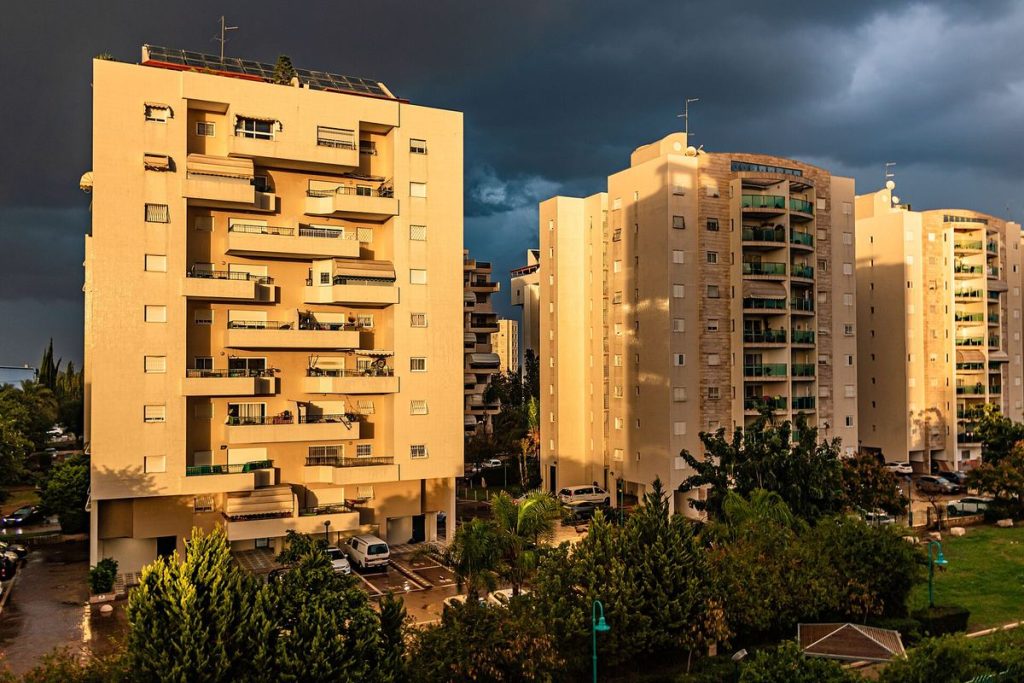
Before handing over the keys to an unoccupied apartment in Israel, inspecting the electrical circuits and air conditioning system is a critical step. Unlike in the United States, where central heating is common, here the doud shemesh and the mazgan are the vital systems of the property. Prolonged shutdown creates specific risks of corrosion and malfunction that only a licensed professional can detect. This verification protects your investment and secures future rental income.
The specific installations: doud shemesh and mazgan in Israel
The technical architecture of an Israeli apartment differs significantly from that of a typical American home. The first major difference is the near-total absence of traditional individual or collective boilers. Hot water heating relies almost exclusively on the doud shemesh, or solar water heater. This system, ubiquitous on the roofs of Netanya and the rest of the country, operates via natural convection or a circulation pump. When an apartment remains vacant for several months, stagnant water in the tank and solar tubes becomes a breeding ground for biofilm formation and internal corrosion. This phenomenon, rare in buildings equipped with gas or electric boilers, can clog pipes and contaminate potable water.
The second pillar is the mazgan, or air conditioning. In Israel, air conditioning is not just a summer comfort; it is a vital necessity for habitation and a determining factor in the property’s value. Unlike European central heating, which operates in winter, the mazgan undergoes extreme thermal cycles. Indoor units, often installed in protruding housings or ducts, accumulate dust and residual humidity. If the outdoor unit is exposed to weather and sun without maintenance, electronic components and capacitors can degrade.
It is crucial to understand that these two systems are interdependent in managing the apartment’s energy. The doud shemesh consumes little electricity, but the mazgan is the primary consumer. A failure in the cooling system renders the property uninhabitable during summer months, blocking any rental. The initial verification must therefore focus on the mechanical integrity of the solar tanks and the condition of the air conditioning units, two elements not found in a standard American home inspection.
Electrical risk: the mamad and dedicated circuits
The electrical panel of an Israeli apartment presents a specific configuration related to safety. Most buildings constructed after the 1990s integrate a mamad, a secure room designed to withstand ballistic impacts and debris. This room has its own electrical circuit, often powered by a distinct source or protected by specific breakers. This circuit must remain operational even in the event of a general building power outage. During an inspection after a long period of inactivity, it is imperative to verify that the mamad protections function correctly. A defect in this circuit compromises the basic safety of the housing.
Older buildings, particularly those built before 2000, present specific electrical risks. Universal grounding was not systematic. The grounding of kitchen and bathroom circuits must be tested individually. In the United States, code requires ground-fault circuit interrupters on all circuits; in Israel, pre-2000 constructions may lack them on certain connections. The absence of differential protection increases the risk of short circuits and fire. An electrician must verify the continuity of grounds and the effective presence of differential protections.
The panel configuration is often distinct for the mamad and the rest of the apartment. You must ensure that the fuses or breakers of the main circuit are not blown or corroded by humidity. Dust accumulated in electrical cabinets can cause electrical arcs when power is restored. This verification step is technical and cannot be performed by a non-expert owner. It requires precise measuring equipment to detect current leaks or abnormal resistances in the wiring.
The inspection method: hiring a professional
In Israel, there is no equivalent to mandatory habitability inspections. There is no legally imposed « electrical inspection » during a transaction or rental. The initiative for the inspection lies entirely with the owner. This inspection, often referred to as bedek bayit in common parlance to designate a general building check, must be entrusted to a licensed electrician. The choice of professional is decisive. A simple maintenance technician can perform a superficial test, but only a certified electrician can issue a valid technical report in case of future dispute.
The concrete procedure begins with cutting the general power supply. The electrician visually inspects the cables, junction boxes, and main panel. He then tests the breakers one by one, verifying their tripping under simulated overload. Verifying the continuity of grounds is essential to guarantee personal safety. For the mazgan, the functional test involves starting the indoor and outdoor units. The electrician measures the voltage at the motor terminals and checks for abnormal noise or vibration.
The inspection report must be detailed. It should list observed anomalies, defective components, and repair recommendations. This document serves as proof in case of dispute with a tenant or seller. It is recommended to have this inspection performed before handing over the keys or before signing a new lease agreement. The cost of this intervention is a preventive maintenance expense, not covered by home insurance, but it avoids costly repairs and lost rent.
The doud shemesh: specific maintenance in the absence of a tenant
The doud shemesh is a complex mechanical and thermal system. In the absence of hot water consumption, water remains stagnant in the reservoir and solar tubes. This stagnation favors bacterial proliferation and corrosion of the internal walls, often made of copper or stainless steel. Rust formation can clog valves and circulation pumps. The verification must include a complete drainage of the system to inspect the internal state of the tanks. Professional cleaning is often necessary to eliminate mineral deposits and biofilms.
Circulation pumps and safety valves are the most frequent points of failure. Rubber seals dry out and leak after several months of inactivity. Safety valves, which protect the system against overpressure in case of overheating, can jam due to limescale deposits. You must manually test their opening and closing. Replacing these components is indispensable before any restart.
The difference with the United States is clear: there is no boiler to replace, but a solar system to purge and clean. The solar tubes themselves must be inspected to detect cracks or leaks. A leaking tube reduces system efficiency and can cause water damage to the roof or lower floors. This preventive maintenance is crucial to guarantee the energy autonomy of the property and avoid costly structural repairs.
The mazgan: purging and pressure control
The mazgan undergoes significant mechanical and thermal stress. After several months of inactivity, indoor units accumulate dust, mold, and bacteria. This contamination is visible in the filters and on the evaporators. Thorough cleaning is necessary to guarantee air quality and cooling efficiency. Purging the refrigerant circuit is also essential. The pressure of the refrigerant fluid must be verified using precise gauges. Abnormal pressure indicates a leak or compressor malfunction.
Rubber hoses connecting the indoor and outdoor units are often cracked by exposure to sun and temperature variations. These cracks cause refrigerant leaks, reducing cooling capacity and damaging the compressor. Visual inspection of these hoses is mandatory. Replacing cracked hoses is a simple but necessary intervention.
Local practice makes a mazgan failure critical. In summer, the absence of air conditioning renders the apartment uninhabitable. Unlike a simple winter comfort in Europe, air conditioning is a vital piece of equipment. The owner must ensure that the system is fully operational before renting. Pressure verification and hose condition checks are technical steps that require a professional.
Liability and insurance: who pays for what?
The distinction between normal wear and tear and negligence is fundamental in Israeli law. Normal wear of equipment, such as the degradation of doud shemesh seals or the aging of mazgan filters, is the owner’s responsibility. This is a maintenance expense inherent to holding the property. Conversely, damages caused by the negligence of the previous tenant or by a hidden defect of the seller are their responsibility. The absence of a habitability inspection at purchase does not exempt the seller from liability for the actual state of the property.
The owner’s home insurance often covers water damage related to the doud shemesh, but rarely electrical wear or mechanical failure of the mazgan. It is essential to check the clauses of your insurance contract. An air conditioning system failure is generally not covered, except in case of subsequent water damage. The owner’s liability is engaged for the safety of the installations. Regular inspection allows documenting the state of the property and limiting legal risks.
Liability management is stricter in Israel than in the United States. The owner must prove that they maintained the equipment. The inspection report serves as proof. In case of dispute with a tenant, this document is decisive for establishing liability. Negligence in maintenance can engage the owner’s civil liability in case of personal or material damages.
Renting after verification: the shtar ‘hov and the inventory
Before handing over the keys to the new tenant, it is imperative to photograph the state of the equipment. Photos must show the electrical panel, the indoor and outdoor units of the mazgan, and the doud shemesh reservoir. These images are part of the inventory. They serve as a reference in case of dispute regarding the state of the equipment at the end of the lease.
The lease agreement must explicitly mention the proper functioning of the mazgan and hot water. This mention protects the owner in case of failure. The shtar ‘hov, the debt acknowledgment signed by the tenant and their arev (guarantor), must be signed after the complete verification of the installations. Signing the shtar ‘hov implies that the tenant accepts the conditions of the property, including the state of the equipment.
The link between technical verification and contract signature is direct. Guaranteeing that the installations are operational before signing the debt acknowledgment secures the transaction. The tenant cannot dispute the state of the equipment if they signed the inventory with photos. This procedure is standard in professional property management in Israel. It avoids disputes and ensures a healthy relationship between owner and tenant.
Verification cost and remote management from the United States
Remote management from the United States requires rigorous organization. To obtain a precise quote from an electrician in Netanya or Netivot, it is recommended to provide detailed photos of the electrical panel and air conditioning units. The professional can estimate the cost of the intervention remotely. Payment is generally made by bank transfer or check. Local practices for an owner residing abroad include the use of money orders or secure electronic payments.
It is advisable to mandate a local manager or a trusted relative to supervise the intervention. The presence of a third party allows verifying the quality of the work and ensuring that replacement parts are of good quality. Billing must be detailed, with a list of replaced parts and work time. This transparency is essential to control costs.
Plumbing and gas installation verification must be performed simultaneously. Consult our article on Checking the plumbing of an empty apartment in Israel: the steps for a complete approach. Similarly, the inspection of the gas and water installation is crucial. See Check gas water installation empty apartment Israel for technical details. This global approach guarantees the safety and compliance of the property.
Never neglect the inspection of the doud shemesh and mazgan before renting. These two systems are the pillars of comfort and value of your property in Israel. A summer failure or hot water contamination can block your investment. Hire a licensed electrician and document the inventory with photos. This precaution is the best protection for your assets.

Gestion locative en Israël pour propriétaires francophones. Bureaux à Netanya, 26 Dizengoff. Une question sur votre bien ? Écrivez-nous.