Water and Electricity Bills During Vacancy: Transferring Between Tenants in Israel
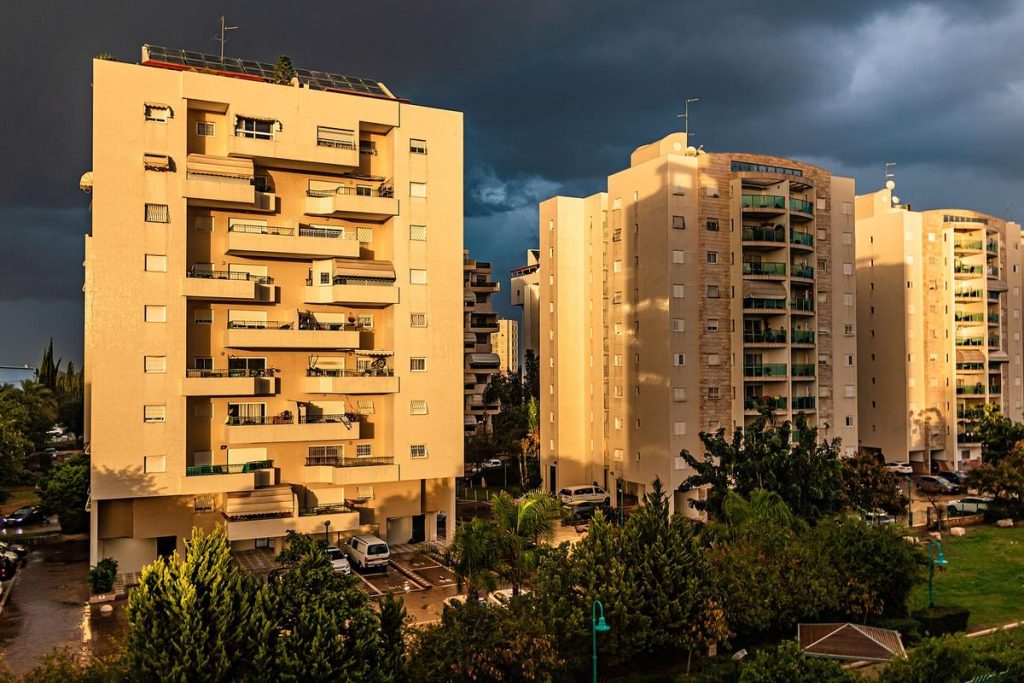
In Israel, the landlord remains the primary debtor to service providers, even if the apartment is vacant. Transferring the electricity and water bills is not automatic: it requires an active procedure with the Israel Electric Company and the local water company, validated by the teoudat zeout or a passport. Without this formality, unpaid bills from the outgoing tenant become your responsibility. Here is how to secure the transition between two occupants.
Electricity account transfer and identity verification
The Israel Electric Company (IEC) does not recognize a change in tenancy as an event that triggers an account transfer. The account is linked to a specific identified individual or entity. Until you complete the process, the account remains in your name or that of the previous tenant, depending on the history. For an owner residing in the United States, identity verification relies on presenting a valid passport or, if you possess a teoudat zeout, that document. The IEC requires proof of address in Israel for the delivery of notifications.
Unlike the United States, where national contracts often simplify switching providers, you must contact the local supplier directly here. Bank domiciliation is done through an Israeli bank such as Mizrahi Bank. You must open a dedicated account or use an existing account with a local IBAN. Processing times vary. If the transfer is not finalized before the end of the previous lease, the risk of service interruption is real. The IEC can suspend service if the previous tenant’s debt is not settled and the new account holder is not registered.
We recommend initiating the transfer procedure at least two weeks before the move-out date. The new tenant must sign a form assuming responsibility for the account. You can review our guide on Changing the electricity bill holder to the tenant before move-in for administrative details. This step is distinct from simply changing the name on the bill. It involves opening a new account or changing the legal account holder. Without this, you remain responsible for arrears.
Water billing and arnona tax
The water bill in Israel consists of two parts: raw consumption and the arnona, the municipal residence tax. The arnona is paid directly to the city hall. It is due by the owner or the tenant, depending on the lease clause. During a vacancy period, the owner remains liable for the arnona if responsibility has not been transferred. Water consumption, however, is billed by the local water company.
The vaad bayit (condominium fees) mechanism is crucial. Vacancy does not exempt you from paying common charges. Unlike some practices in the United States where charges might be suspended, the building continues to operate here. Elevator, cleaning, and security fees are due. You must check the water meter reading at the outgoing tenant’s departure and the incoming tenant’s arrival. This is the only proof of actual consumption.
Concrete case: a tenant leaves without settling their final arnona. You can recover this debt via the security deposit or, if that is insufficient, via the shtar ‘hov (debt acknowledgment) signed at move-in. This document is a debt acknowledgment signed by the tenant and their guarantor. It is not insurance, but proof of a claim. We perform an exact verification of water and electricity meter readings during the move-out inspection to establish any potential debt.
Landlord liability and vacancy clauses
Under Israeli law, the landlord is the primary debtor to service providers. Even if the apartment is empty, you are responsible for unpaid bills if the account is in your name. This liability is total. You must include a specific clause in the lease: the obligation for the outgoing tenant to leave the meters in working order and to provide the final readings. This clause must be written clearly.
The risk of penalties is high. Providers apply late fees in case of non-payment. These penalties are added to the main debt. If you sell the property later, these unpaid bills can affect the property’s value. The tax authority, the reshut ha-misim, does not intervene directly on service bills, but the city hall can seize assets for unpaid arnona. This is a major difference from the United States, where service bill arrears are rarely a direct reason for state foreclosure.
We verify lease compliance and water bills before any transaction. You can read our article Verifying lease compliance and water bills before purchase. The vacancy clause must specify that the outgoing tenant covers consumption up to the key handover date. The incoming tenant assumes consumption from that date onward. In case of dispute, the meter reading is the deciding factor, not the lease date.
bedek bayit inspection and condition report
Before handing over the keys to the new tenant, have a professional conduct a building inspection (bedek bayit). This is not a legal obligation like certain US inspections, but it is an essential practice to secure the transition. The inspection covers the condition of water and electrical installations. It allows for the detection of invisible leaks, the state of wiring, and the compliance of the doud shemesh (solar water heater) and the mazgan (air conditioning).
The doud shemesh and mazgan are major energy consumption points. An undetected malfunction can lead to abnormal overconsumption. The inspection report must be archived with photos. These documents prove the property’s condition in case of a dispute over consumption bills. If the outgoing tenant caused damage to the installations, the inspection report is proof of the degradation.
The role of the arev (guarantor) is decisive. The outgoing tenant’s guarantor can be held liable for damage caused to the installations during their stay. If the inspection reveals a leak due to tenant negligence, you can pursue the guarantor. We verify the condition of water and electrical installations during the move-out inspection. The report is signed by both parties. In case of disagreement, the professional can be called again for a joint assessment.
Impact of the mamad and common areas
The mamad (secure room) is an Israeli specific. Its verification is important. The door and lighting of the mamad are often sources of disputes regarding electricity consumption. If the mamad door remains open, the lighting may run continuously. Check the door and lighting function before handing over the keys.
If the apartment does not have a mamad but has a mamak (protected common space on the floor), the issue of stairwell lighting and the alarm system arises. These costs are generally covered by the vaad bayit. In older buildings in Netanya, water meters are sometimes collective. The distribution between vacant and occupied apartments must be defined by the condominium bylaws.
Dispute example: a neighbor accuses the owner of the vacant apartment of causing overconsumption of water due to a leak in the common pipes. To defend yourself, you must prove that the leak is not due to your apartment. The prior bedek bayit inspection is essential. If the leak is in the common areas, it is the responsibility of the vaad bayit. We verify the distinction between individual and collective meters when taking over the property.
Debt recovery and legal recourse
Amicable debt recovery begins with a formal demand letter. Send a certified letter with a copy of the bill and the meter reading. The shtar ‘hov signed at the start of the lease is proof of the debt. If the tenant does not pay, you can take the case to civil court. The shtar ‘hov simplifies the procedure, as it constitutes undisputed proof of debt.
Recovery costs (attorney fees and court costs) must be compared to the amount of the debt. For small amounts, it is often more profitable to assign the claim to a collection agency. The impact on the tabou (land registry) is limited. A judicial lien can be registered on the tenant’s property to cover arrears, but this is rare for service debts.
We manage tenant debt recovery through our legal service. We send formal demand letters and follow seizure procedures. The shtar ‘hov is a powerful tool. It allows you to avoid a long trial. If the tenant has an arev, they can be pursued directly. The procedure is fast if the documents are complete. We advise you not to neglect small debts, as they can accumulate and become difficult to recover.
Prevention for expatriate owners
Set up a local bank account dedicated to the property. This allows you to domicile electricity, water, and arnona bills. This avoids payment delays due to currency exchange or international transfer issues. The account must be funded regularly. You can review our property management offer for full handling of these administrative aspects.
Prevention rests on three pillars: account transfer, technical inspection, and documentation. The account transfer with IEC and the water company must be done before the vacancy. The bedek bayit inspection must be performed at every tenant change. Documentation (meter readings, inspection reports, shtar ‘hov) must be archived securely.
We recommend checking the condition of doud shemesh and mazgan installations at every vacancy. These equipment items are subject to wear. A malfunction can lead to overconsumption. The vaad bayit may also impose work on common areas. You must be informed of this work. Communication with the manager or the condominium board is essential. We manage this communication for you.
Transferring the electricity and water bills is an administrative obligation, not a simple formality. Without this step, you remain responsible for the previous tenant’s unpaid bills. Have the meter reading and installation condition checked by a professional before handing over the keys. The shtar ‘hov and the inspection report are your best protections in case of dispute.

Gestion locative en Israël pour propriétaires francophones. Bureaux à Netanya, 26 Dizengoff. Une question sur votre bien ? Écrivez-nous.