Water Heater Maintenance in Ashkelon: A Guide to Solar Water Heaters
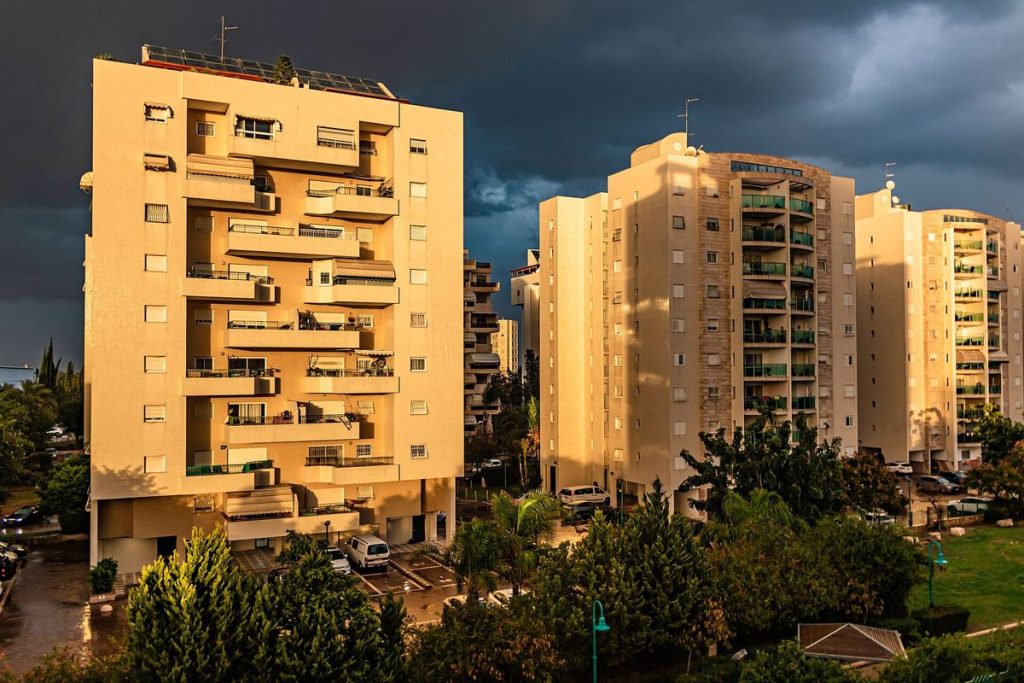
Water heater maintenance in Ashkelon requires specific attention to two areas: protection against salt corrosion and the proper functioning of the solar component. To avoid winter breakdowns or costly leaks, we recommend having a professional inspect the sacrificial anode and the solar collector before each season. A failing system leads to excessive electricity consumption for the tenant and risks of water damage to the building.
How the doud shemesh works and its specifics in Ashkelon
In Ashkelon, most residential installations use the doud shemesh, a solar water heating system. This device relies on thermal collectors installed on the roof that transfer heat to a water tank. Unlike a standard electric water heater (boiler) that operates solely via a heating element, the solar system is a hybrid circuit. We systematically check the condition of the solar collector on the roof to detect any leaks in the heat transfer fluid or cracks in the glass, which would reduce thermal efficiency.
The system also includes a backup electric heating element. This component is essential during winter months or extended periods of cloud cover. If the element is scaled with lime or burned out, the water will remain cold despite the sunlight, generating immediate complaints from the tenant. Maintaining a doud shemesh differs from maintaining a standard boiler: it involves not only the internal tank but also the watertightness of the circulation circuit on the roof. We advise having a professional inspect the condition of the exterior piping, which is often exposed to salt-laden coastal winds.
- Check the condition of the solar collector on the roof to prevent fluid leaks.
- Monitor the operation of the backup electric heating element, which is essential during winter.
- Distinguish between solar system maintenance and standard electric boiler maintenance.
Managing limescale and corrosion in coastal zones
The immediate proximity to the sea in Ashkelon imposes a major technical constraint: air salinity and water hardness. Salt accelerates the corrosion of metal components, while limescale obstructs the pipes. We perform inspections of the sacrificial anode, a metal rod placed inside the tank. Its role is to corrode instead of the water heater walls. If the anode is depleted, the tank itself begins to oxidize, which inevitably leads to a perforation leak.
Descaling the tank is a necessary preventive maintenance operation to maintain constant water pressure and efficient heating. Excessive limescale buildup on the heating element can cause overheating and failure. We also check the watertightness of connections and seals. A minor leak on a water heater connection can quickly spread to the walls or ceilings of lower floors. As part of our property management services, we monitor these points to limit emergency interventions.
- Inspect the sacrificial anode against corrosion, which is accelerated by the proximity to the sea in Ashkelon.
- Schedule tank descaling to maintain constant water pressure.
- Check the watertightness of connections to prevent water damage in adjacent rooms.
Allocation of responsibilities between owner and tenant
Managing thermal repairs can become a source of conflict if the lease agreement is not explicit. In Israel, the distinction is based on the cause of the failure: natural wear and tear or abnormal use. The owner is responsible for structural elements and aging, while the tenant is responsible for routine maintenance and damage caused by negligence.
| Technical Element | Owner Responsibility | Tenant Responsibility |
|---|---|---|
| Anode replacement | Structural maintenance | None |
| Heating element replacement | Equipment aging | Daily use (e.g., leaving water running) |
| Solar circuit leak | System maintenance | Immediate reporting |
We recommend precisely defining what constitutes routine maintenance in the lease agreement. For example, replacing a faucet washer may be the tenant’s responsibility, whereas replacing a solar collector on the roof falls to the owner. To resolve disputes, we use written findings from the technician. If the professional notes that the failure is due to lack of maintenance or improper handling, the invoice can be charged to the tenant. This approach is similar to that applied to penthouse blind maintenance in Israel: responsibilities and management.
- Define routine maintenance in the lease agreement to avoid disputes.
- Distinguish between repairs for abnormal use and repairs related to natural wear and tear.
- Use the technician’s report to justify the allocation of costs.
The impact of thermal installations on arnona and utilities
While the water heater does not directly influence the calculation of arnona (municipal tax), a technical failure has indirect repercussions on housing costs. A poorly maintained solar system forces the tenant to rely heavily on the electric heating element to compensate for the lack of solar heat. This increases the electricity bill, which can create tension if the tenant believes the equipment is defective. We advise checking the system’s proper operation before reactivating water and electricity meters in Israel during a new rental period.
Furthermore, the maintenance of thermal installations can sometimes involve common areas. If the solar tank is located on a shared roof, repair costs may be integrated into the vaad bayit charges. In this case, the decision to repair is made by the building committee, and costs are shared among co-owners. It is therefore useful to know if your installation is strictly private or if it depends on common infrastructure managed by the vaad bayit.
- Check if the condition of the water heater influences municipal water consumption readings.
- Evaluate the impact of a solar system failure on the tenant’s electricity bill.
- Understand the link between common installation maintenance and vaad bayit fees.
Inspection procedure before renting
Before handing over the keys to a new tenant, a technical verification is essential. We recommend bringing in a professional for a complete inspection of the hot water circuit, from the tank to the outlets. This step ensures that no slow leaks are occurring and that the heating power meets expectations. A temperature test at the faucets and in the shower validates the efficiency of the doud shemesh and the backup heating element.
We document the condition of the installation with a technical report or a signed checklist. This document serves as evidence during the move-out inspection. If the tenant has damaged the installation through improper use, the owner can rely on this initial assessment to request repairs. This rigor protects the investment and avoids endless discussions regarding the cause of a breakdown at the end of a lease.
- Bring in a professional for a complete inspection of the hot water circuit.
- Test water temperature at all outlets (faucets and showers).
- Document the equipment condition for key handover and owner protection.
Technical intervention and emergency management in Ashkelon
In the event of a sudden leak, responsiveness is the priority. A leak in a water heater circuit can quickly flood adjacent rooms or seep into the building’s structure. We recommend identifying a local plumber specialized in solar systems in the Ashkelon region in advance. A generalist may not have the specific parts for the solar collectors or the tank models used locally.
Emergencies must be managed methodically: shut off the main water supply and the water heater’s electrical power to prevent any short circuits. If the leak is located in a technical room or a mamad, intervention must be immediate to protect the integrity of the secure room and prevent damage to electrical equipment located there. After the intervention, we verify the installation’s compliance with Israeli safety standards to ensure the work performed by the technician is lasting and secure.
- Identify a local plumber specialized in solar systems in the region.
- Manage leak emergencies to protect the mamad or neighbors’ ceilings.
- Verify the intervention’s compliance with Israeli safety standards.
For owners in Ashkelon, we recommend performing a sacrificial anode inspection every two years. The proximity to the sea makes this operation more critical than in inland areas. Preventive replacement costs only a fraction of the price of a full tank replacement.

Gestion locative en Israël pour propriétaires francophones. Bureaux à Netanya, 26 Dizengoff. Une question sur votre bien ? Écrivez-nous.