Water Infiltration on a Penthouse Terrace: Who Pays in Israel?
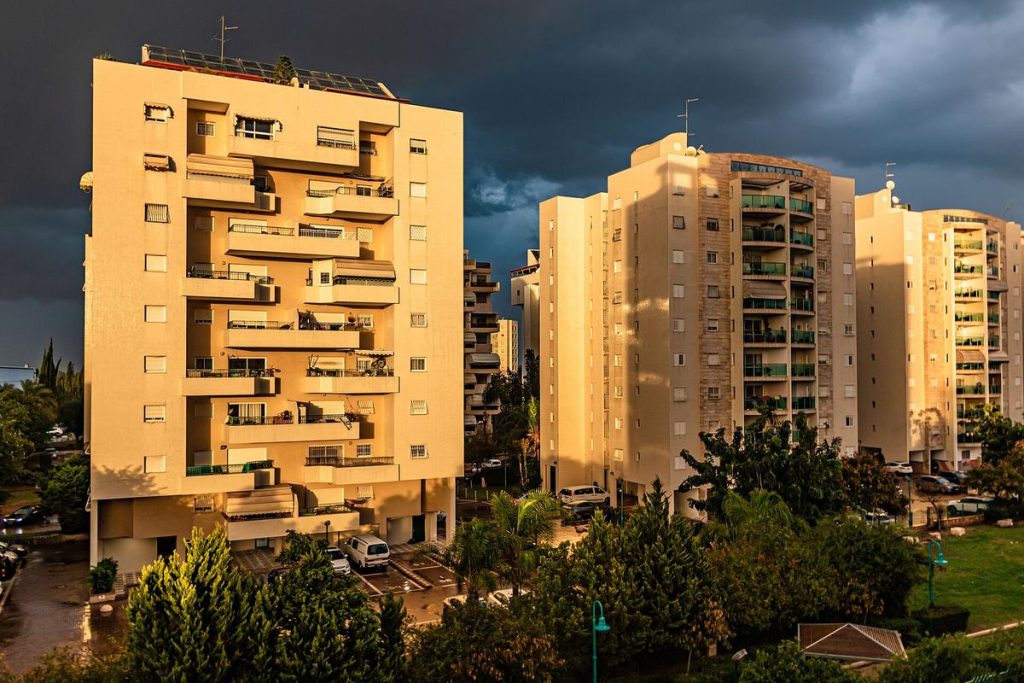
In Israel, liability for the waterproofing of a penthouse terrace is determined by the strict distinction between private areas and the building’s common elements. The owner of the top floor covers the costs related to their terrace, while the vaad bayit manages the roof above it, if one exists. To establish the exact cause of the leak, you must hire an independent expert for a bedek bayit, as there is no mandatory legal inspection requirement like in France.
Locating the leak: the difference between a private terrace and common areas
The first step is to identify the precise source of the water. In an Israeli residential building, the top-floor terrace is a private area. It belongs exclusively to the owner of the apartment below. In contrast, the roof above this terrace, if it exists, is a common element managed by the vaad bayit. This legal distinction is fundamental for determining who must act. If the water comes from the terrace’s own waterproofing membrane, the penthouse owner is responsible. If the infiltration passes through the upper slab, the co-owners’ association must act.
The presence of a mamad (safe room) can complicate the analysis. You must check if the infiltration bypasses this area to reach the living room or bedroom ceiling. A simple visual inspection is not enough. It is essential to bring in a professional for a bedek bayit. This term refers to a building inspection by an expert. Unlike in France, where usage inspections frame transactions, Israel does not provide for systematic legal expertise before repairs. The decision to have damages assessed by a professional is solely up to the parties involved. Without this technical report, it is impossible to settle liability in case of a dispute. The professional must isolate the source: is it a failing expansion joint on the private terrace, or a structural crack in the common slab? This technical precision guides the rest of the procedure.
Who pays? Cost allocation between the owner and the association
Once the cause is identified, the funding question arises. The analysis relies on the sales deed and the cadastral plan. If the leak results from normal wear and tear of the private terrace materials, the owner must cover the repair costs. However, if the damage is caused by unauthorized work performed by the owner, such as installing a pergola that pierced the membrane, the burden is entirely personal. No reimbursement can be claimed from the vaad bayit in this case.
Conversely, if the infiltration comes from the common roof, the cost is shared among all co-owners via fees. GII manages this allocation during rental management. If the tenant is responsible for the damage, for example by leaving a bucket of water that overflowed and damaged the waterproofing, the owner can recover the costs. The recovery mechanism is done through rent deductions or, as a last resort, via a shtar ‘hov (promissory note) signed by the tenant and their arev (guarantor). This document constitutes an acknowledgment of debt. It is not an immediate payment, but a legal guarantee. If the tenant refuses to sign, the owner must initiate legal proceedings to obtain a payment order. The cash flow for advance repair costs is managed by GII, which then debits the tenant’s or owner’s account based on the liability established by the expert.
Technical expertise: the bedek bayit as legal proof
The expert report is the key piece of the file. In Israel, proof of damage does not rely on a systematic bailiff’s report, as is sometimes the case in France for neighbor disputes. Legal validity comes from the detailed technical report and timestamped photos. The expert must identify the failing material: EPDM membrane, silicone joint, or concrete slab. They specify the nature of the necessary repair, without replacing the contractor.
For this report to be enforceable against the vaad bayit, a formal procedure is required. The owner must send a written invitation to the association to have the damage assessed. This invitation must specify the date and time of the intervention. If the vaad bayit refuses to attend, the owner can still have the inspection done, but must document their refusal in writing. The report must mention this attempt at consultation. In case of a court dispute, this document proves that the owner acted in good faith and respected the building’s governance rules. The expert must also assess the urgency of the repair. If the infiltration threatens the structure, the report must clearly signal it. This mention justifies rapid intervention, even if the vaad bayit has not yet voted on the budget. The precision of the report avoids future disputes over the severity of the damage.
Procedure in case of refusal by the vaad bayit
It happens that the vaad bayit refuses to fund repairs, mistakenly believing it is a private area. In this case, the owner should not act alone. The first step is to send a registered formal notice to the association president, with a copy to the manager. This letter sets a precise deadline for the work. If silence follows, the district court is the way to go. The goal is to obtain a mandatory order, a decision that forces the association to perform the work or allows the owner to do so at their own expense with reimbursement.
This procedure is faster than a damages lawsuit. The court can order the repair under penalty. However, a major risk exists: joint liability. If the owner performs the work without prior agreement or a court order, the vaad bayit can refuse reimbursement. They will cite a lack of transparency on costs and the absence of consultation. To avoid this, you must obtain a written quote before any intervention. If the owner must advance the costs, they must keep all invoices and the expert report. The court will then determine the exact amount. This legal step is crucial to protect the owner’s assets. GII assists the client in drafting these letters and preparing the legal file, ensuring that each step complies with Israeli law.
Managing the tenant during works
The presence of a tenant complicates the management of works. The owner has the obligation to keep the apartment habitable. This involves setting up protective tarps and suction pumps to prevent water from damaging the tenant’s belongings. Communication is essential. The tenant must receive a written notification of the bedek bayit and the intervention times. These times must respect working hours and the Shabbat, when noisy work is prohibited.
If the works render the apartment unusable for a prolonged period, the lease agreement must be adapted. An early termination clause can be invoked if the uninhabitability is total. In this case, the security deposit must be returned to the tenant. GII manages this interaction to avoid conflict. If the tenant refuses to leave despite the uninhabitability, an eviction procedure is necessary, but it is long. It is therefore preferable to negotiate an amicable departure. For urgent situations, such as a major leak that makes the apartment immediately uninhabitable, consult our article on penthouse pool emergency absent owner Israel, which details remote management protocols. The key is to document the state of the premises before the works and photograph the damage to the tenant’s belongings.
Insurance and damage coverage
Insurance plays a decisive role in financing repairs. The vaad bayit generally subscribes to an insurance policy covering common elements. This policy covers water damage to the building walls and the common roof. If the infiltration comes from the roof, this insurance intervenes. The owner must check the terms of this policy, particularly the deductibles and exclusions.
The owner must also subscribe to an « all-risk » insurance for their apartment. This policy covers damage to personal belongings (furniture, appliances) located in the apartment. It does not cover structural repair costs, which fall under the vaad bayit insurance or civil liability. In case of damage, the claim must include the bedek bayit report and repair invoices. The insurance company will assess the damage based on these documents. If the tenant is responsible, the owner’s insurance can exercise a recourse against them. GII helps with the damage claim and the follow-up of indemnities. It is crucial not to repair before the insurer’s expertise, except in cases of absolute urgency. Otherwise, the indemnity may be refused.
Prevention and terrace maintenance
Prevention is more economical than repair. GII integrates the annual inspection of the waterproofing membrane and siphons into the rental management contract. This inspection allows detecting micro-cracks before they become major leaks. The management of plants on the terrace is also a critical point. The lease must contain a clause prohibiting overloading the terrace or planting trees whose roots can crack the slab. Heavy pots must be placed on suitable supports.
The maintenance of drainage channels is essential. Regular cleaning prevents the accumulation of debris that causes overflow during winter rains. In Israel, winters can be humid, and poor water drainage is the first cause of infiltration. The doud shemesh (solar water heater) installed on the terrace must also undergo an annual check. Leaks from this system can damage the terrace’s waterproofing. GII coordinates these interventions with specialized craftsmen. This preventive maintenance reduces the risk of damage and preserves the property’s value. For complex technical systems, such as a private elevator, the owner’s liability is detailed in our article on private elevator breakdown penthouse: owner’s liability in Israel. The regularity of maintenance is the best guarantee against costly infiltrations.
| Element | Responsibility | Required Action |
|---|---|---|
| Private terrace membrane | Owner | Repair at own expense, lease verification |
| Common roof (if present) | vaad bayit | Formal notice, court recourse if refused |
| Tenant’s belongings | Owner’s insurance | Damage claim with bedek bayit report |
| Damage caused by the tenant | Tenant | Rent deduction or shtar ‘hov |
Documentation and repair follow-up
Closing the repair file requires rigorous documentation. All invoices, the expert report, and before/after photos must be archived. These documents serve as proof in case of future disputes or for the resale of the apartment. A complete maintenance history is an asset during a real estate transaction. It reassures the buyer about the state of the waterproofing. GII centralizes these documents in the rental management file.
The follow-up of works must be done by a single point of contact. The owner should not multiply calls to craftsmen. GII coordinates the intervention of plumbers, masons, and experts. Compliance with deadlines is verified. If the works are delayed, the owner is informed immediately. This transparency avoids misunderstandings. The acceptance of works must be done in the presence of the expert who established the initial report. They verify that the repairs correspond to the recommendations. This double verification guarantees the quality of the repair. In case of non-compliance, the owner can demand the work be redone. The final documentation includes the contractor’s warranty. This warranty, often two years, covers manufacturing defects. GII keeps this warranty and transfers it to the new owner in case of sale. Administrative rigor is as important as technical quality to secure the investment.
Never sign a shtar ‘hov without having the damage assessed by an independent expert. This document engages your financial responsibility. Before repairing, send a written formal notice to the vaad bayit if the leak concerns common areas. Keep all invoices and the bedek bayit report for your insurance and rental management file.

Gestion locative en Israël pour propriétaires francophones. Bureaux à Netanya, 26 Dizengoff. Une question sur votre bien ? Écrivez-nous.