Water Leak from Your Neighbor: Who Pays in Israel?
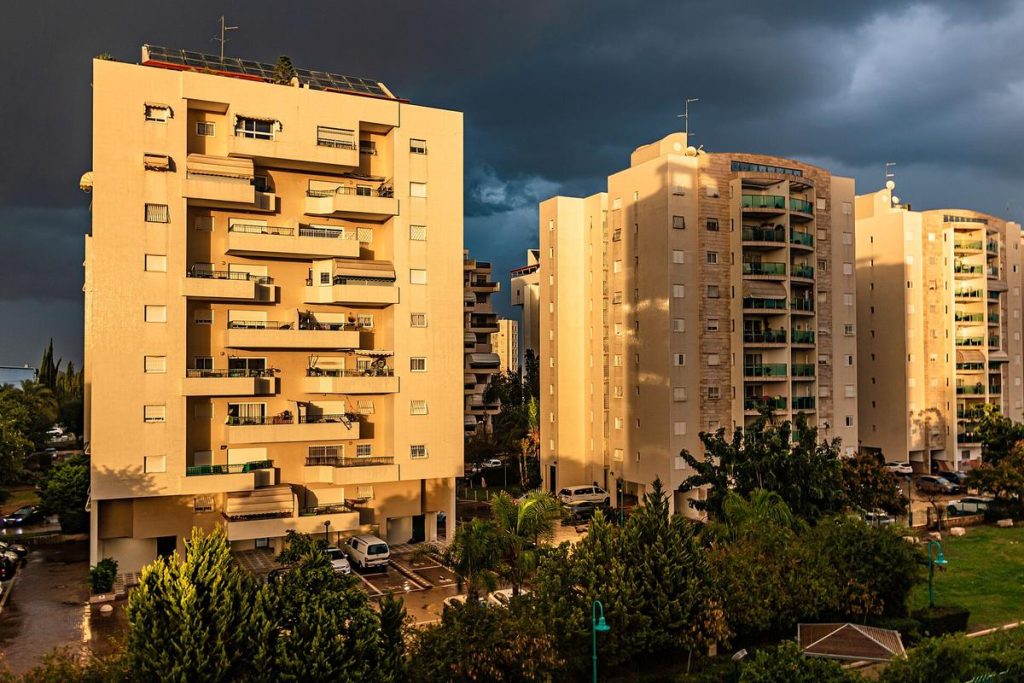
In Israel, liability for water damage stems from civil law and case law, not from strict regulatory texts. The building manager must have a professional identify the source of the leak before allocating costs. If the source is identified in a neighbor’s unit, that neighbor compensates for the damages. If the issue involves shared plumbing or a party wall, costs are shared or covered by insurance. Proof relies on a technical assessment rather than a mandatory legal inspection.
The role of the vaad bayit in identifying the source
The first step is technical, not legal. The vaad bayit cannot arbitrarily decide who pays. It must distinguish between private plumbing, located inside the apartment, and shared plumbing, which runs through walls or the subfloor. This distinction determines initial liability.
Unlike in many jurisdictions where a manager might act on a resident’s declaration alone, Israeli practice requires a professional assessment. The vaad bayit hires a plumber or a certified inspector to locate the leak. This professional prepares a report specifying whether the pipe is private or shared. Without this document, any cost allocation is untenable.
Party wall cases are common. If the leak originates from a pipe within the wall’s thickness, the burden of proof is shared. The professional must determine if the leak comes from one side or the other, or if it results from general wear. In the absence of proven negligence on one side, the repair of the pipe within the wall is often shared. The vaad bayit bills both parties. If the leak clearly comes from one apartment, the owner of that apartment covers the costs.
We recommend always requesting the professional’s written report. This document is the basis for any negotiation or legal proceedings. It avoids debates over the leak’s source. The vaad bayit must share this report with all affected owners. To understand the structure of fees and collective responsibilities, read our article on Vaad bayit in co-ownership: who pays the fees in Israel?.
Who pays for party wall repairs: the 50/50 rule
Israeli case law treats party walls as co-owned by the two neighbors. In the absence of proven fault, the costs of repairing the wall itself are split equally. This rule applies to the wall’s structure, not to damages caused inside the apartments.
The difference from other legal systems is significant. In Israel, there is no legally mandated usage inspection required before billing. The agreement of the parties or a court decision determines the allocation. The professional provides the assessment, but it is not a binding legal document like a statutory inspection. It is technical proof.
Concrete example: A neighbor drilled through a wall to install a mazgan (air conditioner) and damaged the shared duct. The shared duct is the responsibility of the co-ownership, managed by the vaad bayit. The neighbor must pay to restore the duct if they caused the damage. However, the drywall on your wall, which is your private property, must be repaired by the neighbor if their fault is established. The vaad bayit may bill all owners for the duct repair, but the at-fault neighbor must reimburse that share if identified as responsible for the damage.
We always verify the nature of the damaged plumbing. If it is shared plumbing, the vaad bayit initiates the work. If it is private plumbing, the owner of the affected apartment pays. This distinction is crucial to avoid disputes. To better understand property-related costs, read Buying an apartment in Israel: who pays which fees?.
Damage to interior finishes: fault vs. force majeure
The legal distinction relies on the concept of fault. A leak due to normal wear and tear of plumbing is considered an inherent risk of ownership. The owner bears the damages within their own apartment. If the leak comes from shared plumbing, damages are often shared or covered by the co-ownership insurance.
If the leak is due to a neighbor’s negligence, such as a loose faucet or a poorly secured pipe, that neighbor is responsible for the damages in your unit. They must compensate you for your walls, floors, and furniture. There is no mandatory expert appraisal to estimate these damages. You have the damage assessed by a specialist, such as a mason or a painter, who provides a detailed quote. This quote is your proof.
The shtar ‘hov (acknowledgment of debt) is sometimes used in neighbor disputes. You can ask the neighbor to sign a shtar ‘hov for the damages caused. This document is not insurance; it is an acknowledgment of debt. It strengthens your position if payment is refused. The neighbor must be informed that this document is a legal obligation. We use this tool to formalize the agreement between the parties.
If the neighbor refuses to pay, you can take them to court. The specialist’s quote and the plumber’s report are the primary evidence. The court evaluates the damages based on these documents. There is no official rate schedule. Compensation is proportional to the actual damages. We advise always keeping photos before and after repairs.
Home insurance in Israel: what the policy covers
Israeli home insurance is structured differently from policies in the United States. The basic policy covers fire and lightning. Water damage coverage is often a paid add-on or included in a comprehensive package. Check your policy. If you only have the basic coverage, you are not covered for a leak.
The concept of liability insurance is central. If your apartment is the source of the leak, your insurance covers the damages in the neighbor’s unit. If the neighbor is the source, their policy must compensate you. The neighbor’s insurer appoints a certified assessor to estimate the damages. You do not need to pay for your own expert if you are insured.
You must cooperate with the opposing insurer’s assessor. They visit your apartment, take photos, and prepare a report. This report determines the compensation amount. You sign the report. If you agree, the insurer pays the compensation. If you do not agree, you can contest it. The court can make the final decision.
We systematically verify our clients’ coverage. If your policy does not cover water damage, you are exposed. We help you choose an appropriate policy. Insurance is a protection tool, not a magic solution. It does not cover gross negligence. If you caused the leak through negligence, the insurer may refuse to pay.
Procedure in case of neighbor refusal: from assessment to court
The first step is a written formal demand. You send a letter in Hebrew to the neighbor and the vaad bayit. You request repair or compensation within a specific timeframe. You attach the plumber’s report and the specialist’s quote. This letter is your proof of good faith.
If the neighbor refuses, you hire a real estate attorney in Netanya. The threshold for conflict is the refusal to pay after the formal demand. The attorney sends a new formal demand. If the neighbor does not respond, you file with the district court. Small claims procedures are used for neighbor disputes. They are faster and less expensive than ordinary proceedings.
The court evaluates the evidence. Photos, the plumber’s report, the quote, and testimonies are examined. There is no mandatory legal inspection. The judge relies on the credibility of the evidence. They may order a judicial expert if the evidence is insufficient. This expert is paid by the party that loses the case.
We guide our clients through this procedure. We provide the technical documents. The attorney manages the legal proceedings. The court renders a decision. If the neighbor loses, they pay the damages and attorney fees. If you lose, you pay the fees. It is a risk, but technical proof is often decisive.
Specific case: the rented apartment and the at-fault tenant
If your tenant is the source of the leak in the neighbor’s unit, you are jointly liable with them. The neighbor can bill you directly. You cannot oppose this by claiming your tenant caused the leak. You are the owner; you are responsible for the condition of the apartment.
Recourse against the tenant is done through the written lease. The lease must contain a liability clause for damages caused to third parties. If this clause exists, you can recover the amounts paid to the neighbor. You deduct these costs from the security deposit or sue the tenant. The lease is your only protection.
The security deposit can be used to cover the neighbor’s repair costs. The legal limits of this deduction are defined by the lease. In Israel, the security deposit is often used to cover damages caused by the tenant. You must inform the tenant of the deduction. If the deposit is insufficient, you can sue the tenant for the balance.
We manage disputes between tenants and neighbors. We verify the lease and the liability clause. We negotiate with the neighbor and the tenant. If necessary, we take the case to court. The tenant must be informed of their responsibility. A well-drafted lease avoids most disputes. For peaceful management, entrust your property to our property management.
Prevention and maintenance: your duty as an owner
Regular maintenance is your best protection. You must check the condition of your private plumbing. Hire a plumber once a year. They check the connections, faucets, and traps. A written report is recommended. This report proves that you performed the maintenance.
The doud shemesh (solar water heater) is a frequent source of leaks. The connections are exposed to the elements. They must be checked regularly. The vaad bayit can organize collective maintenance of the doud shemesh units. You share the costs. This maintenance prevents collective leaks.
You must inform your tenant of their obligations. The tenant must report any leak immediately. They must not repair it themselves. They must contact you. You hire a professional. This procedure prevents aggravation.
The mamad (safe room) and the mamak (protected common space) are not affected by water leaks, but they are part of overall security. Building maintenance includes checking for watertightness. The vaad bayit can organize a building inspection (bedek bayit) to check the general condition. This inspection is not mandatory, but it is recommended for older buildings.
In case of a leak, do not pay anything before receiving the professional’s report. Demand the distinction between private and shared plumbing. If you are a landlord, verify that your lease contains a liability clause for damages to third parties. Insurance is your first recourse, but it does not cover negligence. Keep all evidence: photos, reports, quotes. In case of dispute, technical proof is decisive.

Gestion locative en Israël pour propriétaires francophones. Bureaux à Netanya, 26 Dizengoff. Une question sur votre bien ? Écrivez-nous.