Steps to delegate apartment management from abroad
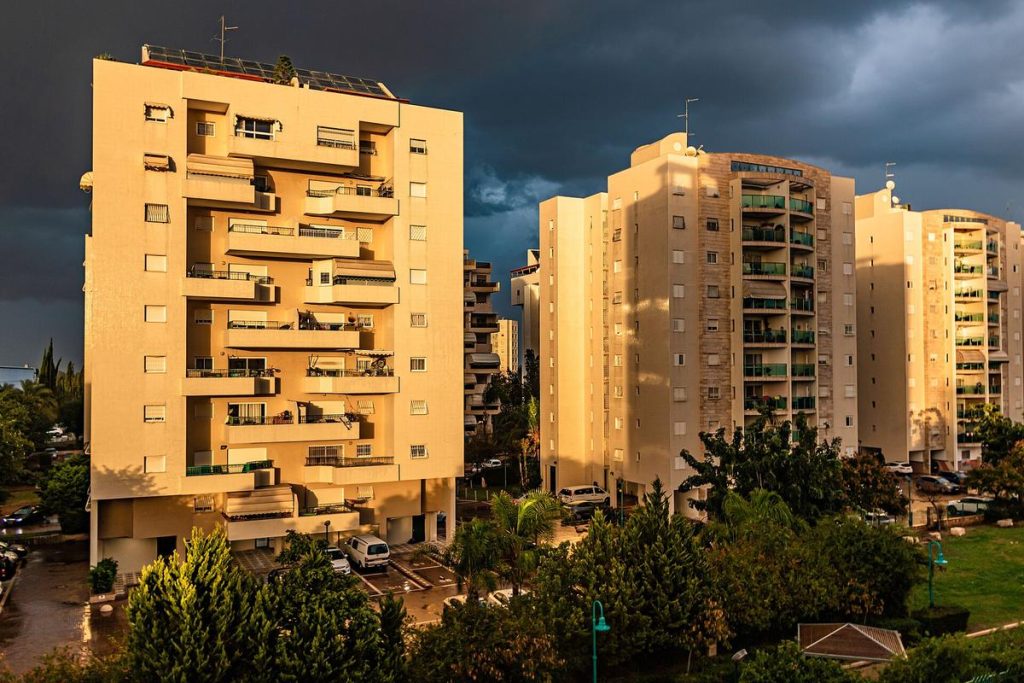
To manage an apartment in Israel from the United States, you must delegate technical, administrative, and tax management to a local representative. This delegation begins with verifying your title at the tabou and drafting a specific power of attorney. It includes establishing financial guarantees such as the shtar ’hov and managing local obligations like the arnona or the vaad bayit. A professional manager acts as the interface with the reshut ha-misim and supervises technical interventions on the mazgan or the doud shemesh.
Securing property at the tabou and appointing a representative
Before any remote management steps, verifying the legal status of the property is the initial step. We examine the tabou extract to confirm that you are the registered owner and that no mortgage or lien affects the property. In Israel, ownership is strictly recorded in this land registry, and any discrepancy between your deed and the tabou will block smooth rental management.
Appointing a representative requires drafting a very precise power of attorney (Poaka). We systematically distinguish between a rental management mandate and a power of attorney for sale. A management mandate allows you to delegate lease signing, rent collection, and the management of common disputes. A power of attorney for sale is much broader and would allow the representative to transfer the property, which is not your intention. To rent from the United States, the clarity of this document is your only real legal protection.
We recommend never using a general power of attorney. We draft mandates that limit the manager’s powers to routine management acts, excluding any disposition of the real estate asset. This distinction prevents encroachment on your property rights and clarifies the responsibility of each party in the event of litigation in Israeli courts.
Organizing the collection of local financial guarantees
Securing rent in Israel does not follow the same model as in the United States. We do not require a blocked bank guarantee, but we implement a shtar ’hov. This promissory note is a debt recognition signed by the tenant. In the event of non-payment, this document allows for faster collection procedures. It is crucial to understand that the shtar ’hov is not insurance, but a legal and financial pressure tool.
To strengthen this security, we identify an arev. This arev is a third party, often a family member or a friend of the tenant, who signs the lease to guarantee compliance with obligations. We verify the solvency of this arev by requesting income verification and their teoudat zeout. A tenant without an arev or without a shtar ’hov represents a high risk for a non-resident owner.
| Type of guarantee | Mechanism | Usage in Israel |
|---|---|---|
| shtar ’hov | Debt recognition | Collection of unpaid rent and damages. |
| arev | Personal guarantor | Binding the responsibility of a solvent third party. |
| Bank guarantee | Blocked funds | Rarely used for standard residential leases. |
Managing these guarantees requires constant vigilance. We verify the validity of signatures and the compliance of documents during lease signing. If you attempt to manage alone by entrusting keys to a friend, you risk having no effective recourse. Entrusting your property to a relative: why it often ends poorly is a reality we frequently observe when local guarantees are not properly formalized.
Transferring responsibility for municipal charges and taxes
Remote management requires disconnecting your personal accounts from the apartment’s cash flows. The first step is setting up the payment of the arnona. This municipal tax is due by the occupant, but as the owner, you remain responsible for its payment to the municipality. We transfer the billing to an automatic withdrawal or integrate the arnona payment into the management mandate to avoid late penalties.
Settling vaad bayit fees is the second point of vigilance. The vaad bayit manages the common areas of the building. A payment delay can cause tension with the building committee and harm your property’s reputation. We monitor invoices issued by the building committee and settle charges to ensure the continuity of services (elevator, cleaning, common area lighting).
We also perform administrative updates with the municipality. If your status changes or the property’s use changes, the billing address and arnona payment methods must be adjusted. This administrative coordination prevents invoices from remaining pending and generating late interest that would reduce your yield.
Preparing the apartment for technical rental readiness
Before introducing a tenant, we conduct a building inspection called bedek bayit. Unlike mandatory contrôle procedures in some countries, the bedek bayit is a voluntary step we recommend to identify structural or technical defects. We bring in a professional to inspect the condition of the plumbing, electricity, and window seals. This allows us to address problems before they become disputes with the tenant.
Technical equipment is an absolute priority in the Israeli climate. We systematically check:
- The operation of the doud shemesh (solar water heater) to ensure hot water production without extra electricity costs.
- The condition of the filters and the cooling power of the mazgan (air conditioner).
- The seal of the window joints to limit energy consumption.
- The water pressure at all faucets.
Finally, we verify the compliance of the mamad. This secure room is a standard in Israeli housing. A well-maintained and functional mamad is a major selling point for rentals. We check that the reinforced doors and locking systems are operational. A rigorous inspection during the rental process is the foundation of incident-free management, as explained in our guide Apartment viewing and relocation in Israel: the keys to success.
Managing taxes and filings with the reshut ha-misim
Rental management generates tax obligations that you cannot ignore, even while residing in the United States. We calculate the mas hachnasa (income tax) base based on collected rents. To do this, we maintain a precise register of all receipts. It is essential to keep every receipt for deductible expenses, such as vaad bayit fees or technical repairs, to reduce taxation.
We prepare the necessary documents for your annual filings with the reshut ha-misim. Financial flow management must be transparent to avoid complex tax audits. We clearly distinguish gross income from net income after deducting management and maintenance fees authorized by Israeli law.
A crucial point concerns anticipating the mas shevach. This real estate capital gains tax is calculated upon the resale of the property. How you manage your rental income and maintenance expenses today can influence the capital gains calculation tomorrow. We advise documenting every investment made in the apartment, as these amounts can be used to adjust the taxable base during the sale of the property.
Directing technical maintenance and emergency interventions
A remote owner cannot travel for a water leak or an air conditioning failure. We establish a list of trusted local providers specializing in rapid interventions on the mazgan or the doud shemesh. We call these technicians and supervise the work to ensure quality meets expected standards.
To avoid contacting you for every detail, we define spending thresholds. For example, we may be authorized to carry out repairs up to a certain amount without your prior consultation. This allows for immediate reactivity in emergencies. For higher amounts, we submit a quote for your approval. This distribution of responsibility ensures the apartment remains functional without increasing your mental load.
We also manage interventions related to common areas. If a problem occurs in the building that impacts your apartment, we handle the liaison with the vaad bayit. We follow up on repair requests with the building committee and ensure that work is completed, protecting the integrity of your property and the peace of your tenants.
Managing the transition in case of succession or inheritance
Real estate management can be disrupted by family events. If the owner passes away, apartment management must be integrated into the framework of a tzava’a (will) or a yerusha (inheritance) procedure. In these cases, ownership does not automatically transfer to the manager, but the manager must be informed to ensure the continuity of income.
We present the tsav yerusha (inheritance order issued by the family court) to the relevant authorities and banking institutions to validate the legitimacy of the new heirs and the designated manager. Without this official document, the management of accounts and lease contracts can be completely blocked.
We manage cash flows in the absence of an heir residing in Israel. This involves coordinating the transfer of rents to the heirs’ accounts or maintaining a dedicated management account to cover local charges. This transition management requires absolute accounting rigor to avoid conflict between heirs or with the reshut ha-misim.
For peaceful management, do not just delegate the keys; delegate the administrative and technical responsibility. A clear mandate, guarantees like the shtar ’hov, and rigorous monitoring of local taxes are the only defenses against non-payment and the degradation of your assets in Israel.

Gestion locative en Israël pour propriétaires francophones. Bureaux à Netanya, 26 Dizengoff. Une question sur votre bien ? Écrivez-nous.