A Neighbor Reports an Issue in a Vacant Apartment: What to Do in Israel?
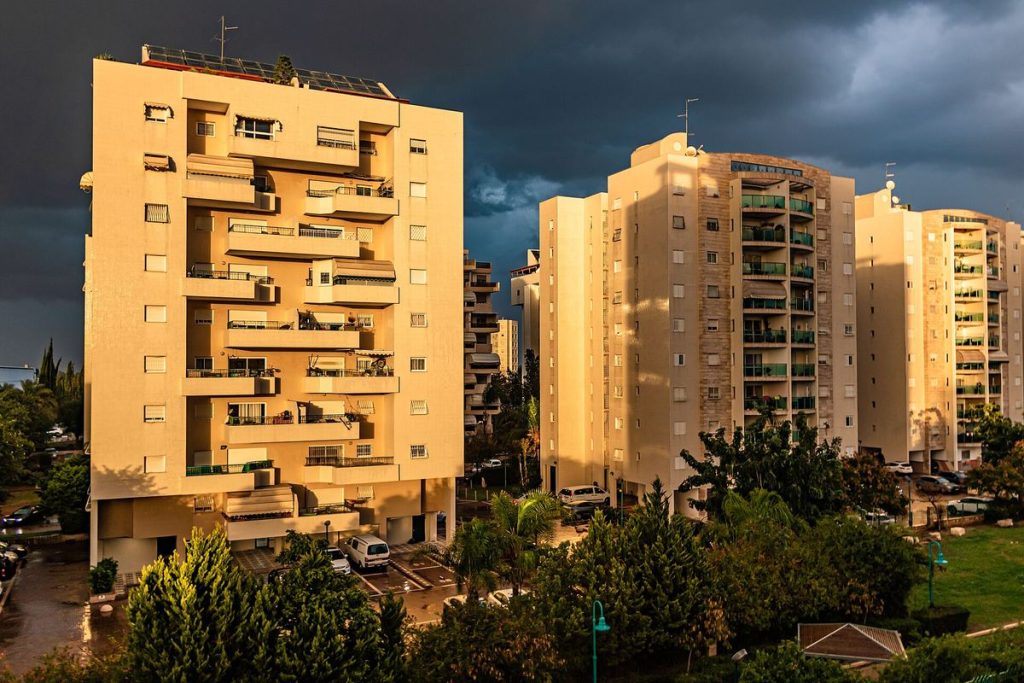
A neighbor reporting an issue in your vacant home in Netanya has no legal obligation to do so. In Israel, the responsibility for monitoring the building rests with the owner or their agent. If you are absent, you must react immediately to prevent the damage from becoming the responsibility of the condominium association or triggering city enforcement for neglect. The goal is to secure evidence and mobilize a professional before the damage spreads.
Receiving the alert: who has the right to enter?
The first step is to verify the legitimacy of the caller. In Israel, the right to enter a private residence is strictly regulated. A resident neighbor has no authority to open your door, even if they claim to detect a suspicious odor or a leak. Only the president of the condominium association, acting on behalf of the assembly, can consider forced entry, and only in cases of force majeure that threaten the building’s structure.
You must distinguish between a simple rumor and a formal alert. If the call comes from an isolated resident, demand immediate visual proof: photos of the leak, or videos of the odor or moisture on the neighbor’s ceiling. Without proof, you should not initiate any procedure. If the call comes from the president of the vaad bayit, the situation is more critical. They may have already contacted the building’s security services.
In this case, you need to know if entry has already occurred. If the door was forced open by firefighters or police due to a fire or gas risk, it is an absolute emergency. Otherwise, no entry can occur without your explicit consent or a court order. In the United States, we sometimes speak of « imminent danger » with heavy administrative procedures. Here, the reaction is more direct and local. The vaad bayit can decide to cut off the water or electricity to your unit if the threat is proven, but this must be documented.
If you are in the United States, you cannot be present. This is where the role of your property manager becomes essential. We verify the legitimacy of the request and the actual urgency before any on-site intervention. We contact the neighbor to obtain proof and the condominium president to understand the building’s official position. This triage step is crucial to avoid paying for unnecessary repairs or, conversely, ignoring a risk that will cost you dearly. If you manage your property alone, you need a trusted local contact who can arrive within hours. The speed of the response often determines the final severity of the damage.
The role of the vaad bayit and common charges
Understanding the boundary between private space and common space is vital for knowing who pays. The vaad bayit covers common areas: hallways, elevator, façade, and the main pipes that run through the building. The interior of your apartment, including the horizontal pipes that serve only your unit, is your exclusive responsibility.
If a leak originates from a vertical pipe that supplies multiple floors, the repair is the responsibility of the condominium association. If the leak comes from your faucet or your individual doud shemesh, you pay. This distinction is not always clear without expertise. The vaad bayit can hire a plumber to assess the source of the damage. You have the right to attend this inspection or designate your own expert. In Israel, there is no « usage inspection » before work as there is in the United States. The vaad bayit can hire a professional to assess the damage.
If a neighbor accuses your apartment of causing damage in their home, the vaad bayit can intervene to mediate. Refusing to cooperate can lead to disciplinary sanctions or civil lawsuits from the neighbor. The Netanya municipality, through the arnona, can also intervene if the building’s condition becomes unsanitary. A vacant apartment that leaks and whose owner does not repair it exposes the entire building. The vaad bayit can then vote a resolution to force the owner to make repairs, at the owner’s expense.
It is common for neighbors to turn to the vaad bayit for funds. If the issue is internal, the vaad bayit should not pay. But if negligence affected the common areas (for example, an infiltration that damaged the hallway), the vaad bayit will repair the hallway but will seek reimbursement from you. This is a liability mechanism that has no direct equivalent in standard US property management. Prevention is therefore paramount. Read our article on Humidity in a vacant apartment: prevention in Israel to understand how to avoid these situations before they become disputes.
Technical emergency: water, electricity, and mamad
In case of a water leak, the priority is to stop the flow. If you have access to your apartment’s water meter (often located in a technical room of the building), shut off the supply. Otherwise, ask the vaad bayit to cut the building’s main valve. Water is a major risk for rapid degradation of neighboring ceilings. In Israel, buildings are often older, and lead or iron pipes can corrode. A small leak can become a flood in hours if not detected.
For an electrical failure or fire risk, contact the electric utility (Israel Electric Corporation) via the emergency number. They can cut power to your specific line if the installation is dangerous. Never attempt to repair it yourself if you are not an electrician. Installations in Israel can differ from US standards, and the risks are real.
Check the condition of the mamad (safe room). If the issue concerns the door or locking system, the mamad must remain sealed. A forced door voids the mamad protection and can affect your insurance. If the apartment is equipped with a doud shemesh (solar water heater), verify that the leak does not come from the tank on the roof. This is a common area often neglected, but the responsibility for the individual tank lies with the owner. The doud shemesh is a mandatory installation in many buildings in Netanya. Its maintenance is often misunderstood. A leak on the roof can run into the apartments on the top floor.
If you are absent, you cannot check these points. This is why it is crucial to have a manager who can go on site. We check the condition of valves, electricity, and solar equipment. If intervention is necessary, we have it performed by a licensed professional. The cost of this intervention is at your expense, but it is far less than the cost of a flood that destroys the apartment below. Technical prevention is cheaper than repairing the damage.
Evidence and expertise: the bedek bayit
Bringing in a professional for a building inspection (bedek bayit) is the first step to secure your position. It is not a legal usage inspection, but it is essential proof to determine the cause of the anomaly and the responsible party. The professional’s report must detail the state of the premises at the time of intervention, the nature of the damage, and the probable cause. This document will serve as the basis for any claim to the insurance or the vaad bayit.
In Israel, there is no « technical inspection » in the US sense. There is no list of usage checks before renting or selling. Proof is established through expertise. The bedek bayit can be requested by the owner, tenant, or condominium association. It is a voluntary act, but essential in case of dispute. The professional can be a civil engineer, a certified plumber, or a licensed electrician. The choice of professional must be neutral to be accepted by all parties.
The report must include photos, measurements, and clear conclusions. It must indicate if the damage is recent or old. If the damage is old, it may mean the owner neglected maintenance, which can work against you in case of lawsuits. If the damage is recent and caused by a manufacturing defect or force majeure, you are better protected. The bedek bayit also allows for estimating the cost of repairs. This estimate is necessary to request compensation.
If you are in the United States, you cannot attend the inspection. Your manager must send you the complete report, with photos and conclusions. We verify the consistency of the report and the legitimacy of repair requests. If the report is ambiguous, we can request a counter-expertise. This step is less common in Israel than in the US, but it is possible. The important thing is to have a solid file. A solid file protects your asset and avoids long and costly disputes.
Civil liability and insurance
In Israel, the owner’s civil liability is broad. If your vacant apartment causes damage to a neighbor, you are responsible. Home insurance generally covers damage caused by sudden events (leak, fire). But it does not cover damage caused by negligence or lack of maintenance. If you leave a faucet open or ignore a leak for months, the insurer may refuse to pay.
Your insurance must be informed of the apartment’s vacancy. Some contracts require a specific declaration for vacant properties. If you do not declare the vacancy, the insurer may cancel the contract or refuse compensation. This is a crucial point that many US-based owners ignore. In the US, vacancy is often tolerated if the apartment is maintained in good condition. In Israel, prolonged vacancy without supervision is a high risk.
If damage occurs, you must report the claim to your insurer quickly. Provide the bedek bayit report and proof of intervention. The insurer will send their own expert to assess the damage. This second expert may contradict the first. This is why it is important to have a complete and neutral file. If the insurer refuses to pay, you can appeal. But this process is long and costly.
The best protection is prevention. Regular maintenance, supervision by a professional, and appropriate insurance are the three pillars of managing a vacant property. If you cannot ensure these three points, you expose your asset to a major financial risk. Professional property management covers these aspects. We manage insurance, maintenance, and emergencies. This protects you from the uncertainties of distance.
Remote management and the role of GII
Managing a property in Netanya from the United States is complex. Distance creates a time zone difference and a language barrier. In case of emergency, you cannot be on site. This is where professional property management makes sense. We are on site, we speak Hebrew, and we know the local professional networks.
We manage the relationship with the vaad bayit, neighbors, contractors, and insurers. We are your legal and operational representative. In case of an alert, we intervene immediately. We verify the situation, secure the premises, and call in the necessary professionals. You receive a detailed report with photos and invoices.
This proactive management prevents escalation. An unhappy neighbor can easily turn a small incident into a legal dispute. With a manager, communication is professional and structured. The vaad bayit knows the property is managed by a professional, which changes the dynamic. Neighbors are more inclined to cooperate with a manager than with an absent owner.
If you have not yet entrusted the management of your property, it is time to consider it. Distance is a risk factor. A poorly managed property can lose value and generate unexpected costs. Property management is an investment in the security of your asset. We guide you through this process with transparency and efficiency. Discover how we work by visiting our property management page.
Pitfalls to avoid and best practices
The first pitfall is minimizing the alert. A neighbor reporting a problem is often right. Never underestimate an odor or a small stain. The second pitfall is reacting alone. Without knowledge of local law and networks, you risk making mistakes. The third pitfall is neglecting evidence. Without photos and an expert report, you cannot prove your good faith.
Best practices are simple: monitor regularly, maintain equipment, and have a trusted manager. Monitoring can be done by a trusted neighbor or a manager. Maintenance must be preventive: check pipes, the doud shemesh, and electricity. The manager must be reactive and transparent.
If you are an owner in Netanya, you must adapt to the Israeli system. It is not identical to the US system. The law, practices, and institutions are different. Ignoring these differences can cost you dearly. Educate yourself or get assistance. Do not let distance be an obstacle to the good management of your property.
| Element | Responsibility | Action to take |
|---|---|---|
| Internal leak (faucet, doud shemesh) | Owner | Cut off water, call a plumber, request a bedek bayit. |
| Leak on common pipe | Condominium (vaad bayit) | Have a professional confirm the common origin, request repair from the vaad bayit. |
| Damage to a neighbor | Owner (if internal cause) | Compensate the neighbor, report the claim to insurance. |
| Forced door entry (emergency) | Emergency services / vaad bayit | Verify legitimacy, secure the premises, have damage assessed. |
Tax and administrative impact
A major incident can have tax consequences. If the apartment is rented, repairs may be deducted from rental income. If the apartment is vacant, repair costs are not deductible in the same way. The Israeli tax authority (reshut ha-misim) is strict on documentation. You must keep all invoices and expert reports.
If the apartment is vacant, you continue to pay the arnona. This municipal tax is due even if the property is unoccupied. An incident that makes the apartment uninhabitable may justify a temporary reduction of the arnona, but you must request it from the city. This is an administrative process that takes time. Your manager can handle it.
If the apartment is sold after the incident, the history of repairs and insurance is important. A well-kept file reassures the buyer. An empty or contradictory file can lower the selling price. Transparency is therefore a commercial advantage.
Taxation in Israel is complex. Do not make decisions without the advice of an accountant or tax specialist. Rules change and interpretations can vary. A professional can help you optimize your tax situation. But be careful, optimization must be legal and documented. Tax evasion is severely punished in Israel.
Never leave a vacant apartment without supervision. Distance is not an excuse. Entrust management to a professional who can react on site. Prevention costs less than repair. And peace of mind is priceless. Contact us to discuss your situation.

Gestion locative en Israël pour propriétaires francophones. Bureaux à Netanya, 26 Dizengoff. Une question sur votre bien ? Écrivez-nous.