AC Repair in Your Rishon LeZion Apartment: Who Pays for the AC?
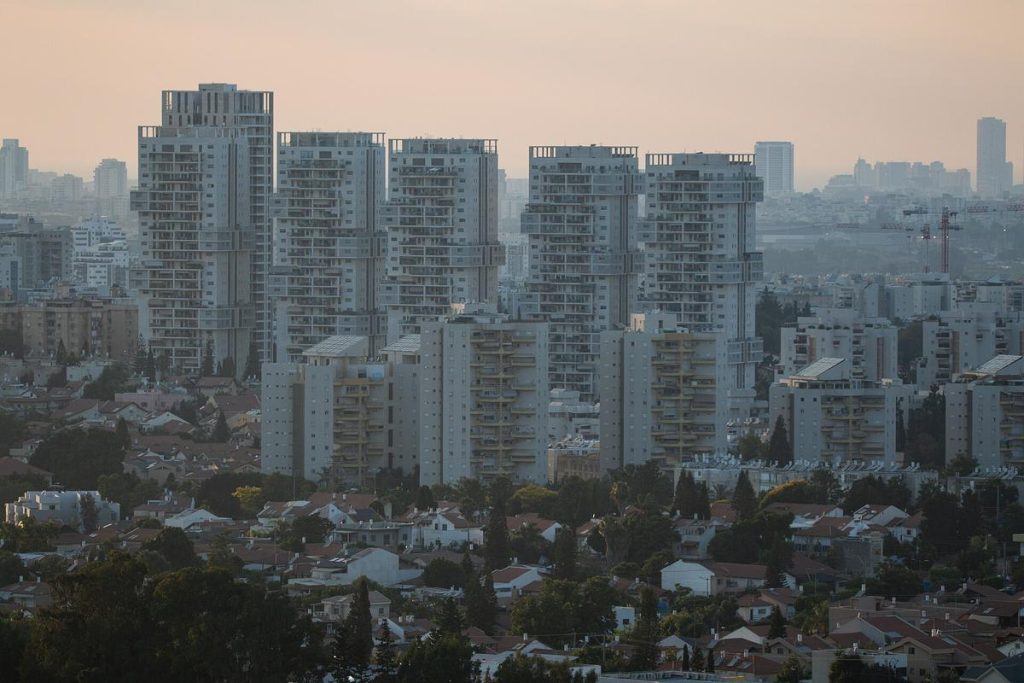
In Israel, the repair of a mazgan is governed by the lease agreement and the distinction between normal wear and tear and negligence. The owner generally covers mechanical failures related to the age of the equipment, while the tenant bears the cost of damages caused by their negligence or improper use. In Rishon LeZion, it is essential to verify whether the system is individual or connected to the building’s common network, as this determines whether the cost falls on the owner or the vaad bayit.
The contract takes precedence over usage: what the lease says before you open the unit
Before contacting a technician, read the specific lease clause regarding the mazgan. In Israel, there is no single national law that dictates who pays for air conditioning. Everything depends on the signed text. If the contract states that the tenant handles routine maintenance, the bill for cleaning filters falls to them. If the contract is silent, case law tends to consider air conditioning as equipment necessary for habitability, which obligates the owner to ensure its proper functioning.
The legal distinction rests on the nature of the failure. Normal wear and tear of parts, such as worn seals or compressor fatigue after several years of service, is the owner’s responsibility. This is the trade-off for providing the property. Conversely, if the failure results from an impact, intentional blockage, or basic maintenance neglect attributable to the tenant, the cost is charged to the tenant.
Be careful with the shtar ’hov. This document, signed by the tenant and their guarantor, serves to secure the payment of rent and charges. It does not cover repairs to the property in any way. Do not count on it to finance an emergency intervention. If you are an absent owner, we manage this distinction during the lease signing to avoid future ambiguities. To understand how to manage the other financial aspects of the property, consult our article on Who pays the arnona for an apartment whose owner has died in Israel?.
Rishon LeZion and vaad bayit charges: the trap of shared ownership
In Rishon LeZion, as in many Israeli cities, many buildings have centralized cooling systems or shared networks. This is where the trap lies. The vaad bayit (building association charges) covers the maintenance of common areas. If your mazgan is an individual split unit, it is your exclusive property. The vaad bayit has no obligation to repair it.
However, if the building is older or is a municipal project with specific standards, the ventilation or cooling system may be connected to a central network. In this case, the failure of the central compressor or common piping is the responsibility of the vaad bayit. You must check the building association bylaws. They indicate whether cooling installations are considered common areas or individual equipment.
The case of the doud shemesh (solar water heater) is instructive. Although it is a thermal equipment, it is often integrated into the building’s water network. If the failure concerns the common pump that supplies the doud shemesh on all floors, the vaad bayit pays. If the failure is in the individual tank of your apartment, it is your responsibility. This distinction is crucial to avoid paying fees that belong to the building association. We systematically check these bylaws when taking over a property.
The bedek bayit inspection: proving who is at fault
A simple quote from an air conditioning technician is not enough to settle a dispute. The technician is paid to repair, not to establish legal liability. To know who must pay, a neutral assessment is required. In Israel, a professional is hired for a building inspection, or bedek bayit, at the initiative of the parties. This is not a legal obligation like mandatory surveys in other countries, but a tool for proof.
The procedure is simple: the owner and the tenant agree to bring in an independent expert. This expert examines the mazgan unit and identifies the cause of the failure. Is it wear and tear? Is it a leak caused by an impact? Is it a manufacturing defect? Their written report is valid in case of court proceedings.
The cost of this inspection is often shared equally between the two parties if the dispute is sincere. If the expert concludes that the failure is due to the tenant’s negligence, the tenant reimburses the full cost of repairs as well as the inspection fee. If the failure is related to wear and tear, the owner pays. This step avoids sterile conflicts and accusations of bad faith. It provides a factual basis for the discussion. For a similar case concerning appliances, read Who pays for appliance repair in a Herzliya kitchen.
The mamad and air-conditioned zones: a technical exception
Newer buildings in Rishon LeZion often integrate air conditioning into the safety room, the mamad. This room must remain cool and secure in case of a crisis. If the cooling system of the mamad is connected to the building’s central system, responsibility often shifts to the vaad bayit. The failure of a fan or compressor dedicated to the mamad is then a matter for the building association.
Conversely, if the apartment has an independent mazgan for the living room and the mamad, the logic changes. The owner is responsible for the unit that supplies the mamad if it is considered part of the apartment’s main equipment. The tenant reports the failure, but it is the owner who must act.
For the absent owner, the question is: who to contact first? If the tenant reports a general failure, we first contact the building manager or the head of the vaad bayit to verify if the problem is central. If the problem is localized to the indoor unit of the apartment, we dispatch a technician. This technical distinction avoids paying for unnecessary interventions or neglecting a failure that falls under the building association.
Normal wear and tear vs. tenant fault: concrete cases
The line between wear and tear and fault is sometimes blurred. Here are the most frequent cases we encounter. Cleaning filters is the tenant’s obligation. If they ignore it, clogging can damage the compressor. In this case, the repair is their responsibility. Loss of refrigerant gas is often due to normal wear and tear of seals. The owner pays. But if the leak is caused by an impact on the outdoor unit, it is the tenant’s responsibility.
Replacing the outdoor unit is a major investment. It falls to the owner. During the period of inactivity, the tenant may request a rent reduction or a deferral of the payment date. We negotiate this compensation directly with the tenant to avoid unjustified financial harm.
A critical case is that of the tenant who modifies the installation without authorization. For example, if they install an additional mazgan or modify the gas circuit. This action voids the manufacturer’s warranty and makes the tenant responsible for all damages, even those that might have been covered by normal wear and tear. The shtar ’hov does not cover this either. You must act quickly to limit the damage.
The shtar ’hov and the recovery of repair costs
The shtar ’hov is a strict financial instrument. It guarantees rent and charges. It is not used to recover repair costs. If a repair is charged to the tenant, you cannot deduct the amount from the shtar ’hov. You must request payment from the tenant.
The recovery procedure begins with a written formal notice. You send a registered letter to the tenant and their arev (guarantor), detailing the failure, the inspection report, and the amount due. If the tenant does not pay, you must take the matter to court. The role of the arev is to guarantee the payment of the tenant’s debts to the owner. If the failure is due to their negligence, the arev is jointly liable for the payment.
The difference with other jurisdictions is important. There is no « security deposit » in the traditional sense, which is refundable. The shtar ’hov is a signed debt. If the tenant leaves without paying, you can enforce the shtar ’hov for unpaid rent, but not for repairs. For repairs, it is a standard legal action. We manage these legal procedures for you, in coordination with a lawyer if necessary.
Taxation and depreciation: what the reshut ha-misim says about repairs
The reshut ha-misim (tax authority) distinguishes between repair and improvement. A repair, such as replacing a compressor with an identical one, is a deductible expense from your rental income. It reduces your taxable base for mas hachnasa (income tax).
Conversely, if you replace an old mazgan with a more efficient model, with higher capacity or new technology, this may be considered an improvement. In this case, the expense is not immediately deductible. It is depreciated over several years. This distinction has a direct impact on your annual taxation.
The impact on mas shevach (capital gains tax) in case of resale must also be considered. Improvements increase the value of the property, which can increase the taxable base at the time of sale. It is crucial to keep all invoices and inspection reports. An Israeli accountant is essential to perform this calculation. Do not attempt this calculation alone from abroad. The rules are specific and complex. We collaborate with local accountants to ensure that your expenses are properly treated for tax purposes.
Before signing a lease, require a clear clause on the maintenance of the mazgan. Specify who cleans the filters and who pays for the gas recharge. If the system is centralized, request a copy of the vaad bayit bylaws. In case of failure, do not let the tenant act alone. Have the condition assessed by a professional before any repair. This is the only way to know who must pay. For complete management of your property in Netanya or Rishon LeZion, entrust the monitoring and maintenance to our property management.

Gestion locative en Israël pour propriétaires francophones. Bureaux à Netanya, 26 Dizengoff. Une question sur votre bien ? Écrivez-nous.