Air Filtration in an Israeli Mamad: Installation and Safety
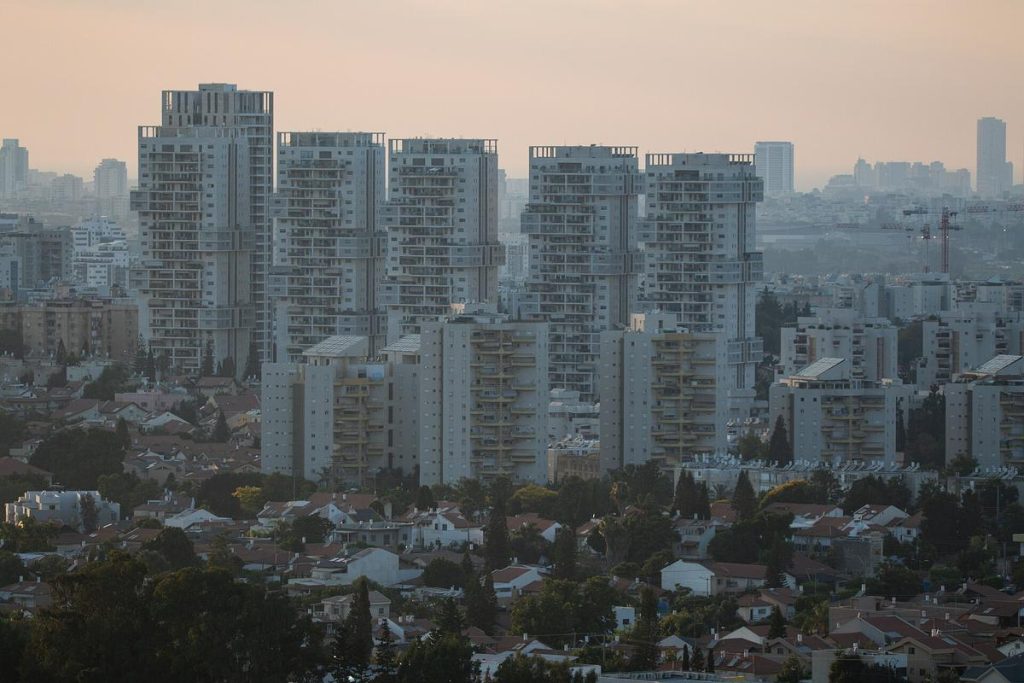
Installing an air filtration system in a mamad first requires verifying the compatibility between the chosen device and the building’s existing ventilation ducts. You should hire a ventilation specialist to ensure the system does not compromise the airtightness of the reinforced door or the integrity of the protective shutters. This intervention must account for local climate specifics, particularly sand dust and marine humidity, to guarantee air renewal that meets civil safety standards.
Verifying existing ventilation system compliance with civil safety standards
The mamad is a room designed for protection. Its primary function is to ensure airtightness during a threat. Adding a filtration system must under no circumstances alter this capability. We advise starting with a compatibility check between the new filtration system and the protective shutters. If the device requires drilling into the structure or modifying openings, you must ensure this does not create a structural weakness.
The reinforced door of the mamad is the central security element. A poorly designed filtration installation can create gaps or air leaks around the door seals. We recommend having a professional certify the door’s airtightness after any modification to the ducts. A lack of airtightness would render the room ineffective during confinement.
An examination of the current ventilation ducts is an essential preliminary step. These ducts, often integrated into the structure during construction, can present entry points for dust or smoke. There is a major difference between natural ventilation, which relies on external openings, and forced mechanical ventilation. In the event of confinement, natural ventilation is impossible; the filtration system must therefore be capable of operating autonomously to ensure a constant airflow without depending on the outside.
- Compatibility check with protective shutters.
- Verification of the reinforced door’s airtightness.
- Examination of ventilation ducts to identify particle entry points.
- Validation of mechanical ventilation capacity in confinement mode.
Selecting the filtration type suited to the local climate and environment
Filter selection cannot be universal. In Israel, and particularly on the coast like in Netanya, the air carries specific particles. Sandstorms and desert winds bring fine dust that can saturate a standard filter very quickly. You must choose filters capable of capturing these particles without an immediate loss of airflow. A filter that is too dense could strain the ventilation motor, leading to excessive power consumption or failure.
Marine humidity is another determining factor. Salt-laden air can accelerate the corrosion of the filtration system’s metal components. During selection, we verify the resistance of the materials used in the purification units. A system installed in an apartment near the sea requires components treated against saline oxidation.
There are two approaches to equipping a mamad:
| System Type | Advantages | Disadvantages |
|---|---|---|
| Centralized filtration | Invisible integration, treats all air entering through the ducts. | Complex installation, requires modifications to the ventilation structure. |
| Standalone purification units | Simple installation, possible mobility, lower initial cost. | Floor space usage, localized noise, does not treat air entering through ducts. |
Finally, the management of local allergens, such as seasonal pollen, must be integrated into the planning. A high-performance system should be able to alternate between heavy particle filtration and fine filtration for allergens.
Technical planning and integration within the limited space of the mamad
The mamad is by definition a room with limited surface area. The installation of a filtration system must not hinder movement or the use of the room. We perform precise measurements of the floor and wall footprint before any equipment is ordered. A system that is too bulky could prevent the installation of furniture or obstruct access to emergency exits.
The electrical aspect is a technical point of vigilance. Installing a new ventilation motor requires studying the location of electrical outlets. We verify that adding the system does not overload the circuit dedicated to the mamad, which often already powers the mazgan (air conditioner). An overloaded circuit can cause circuit breakers to trip during the simultaneous use of security and comfort equipment.
Coordination with the mazgan is essential. The airflow from the air conditioner and that of the filtration system must be studied to avoid conflicts. If the filtration system exhausts air or creates turbulence too close to the air conditioning unit, it can distort temperature sensors and reduce cooling efficiency. Similarly, we verify the flow capacity to maintain effective air renewal without generating excessive noise, which is crucial for acoustic comfort during periods of confinement.
Coordination with professionals and installation management
Installing a filtration system is not a general electrical task. We recommend hiring a technician specialized in ventilation systems or climate engineering. A standard electrician can perform the wiring, but they will lack the expertise to balance airflows or verify duct airtightness. The quality of the installation depends on understanding air pressure and circulation flows.
Once the installation is complete, we recommend performing a specific bedek bayit on the installation. This building inspection, focused on the new device, allows for the validation of the installation and ensures that no air leaks have been created in the structure. This confirms that the system fulfills its function without compromising the room’s security.
When ordering, request a detailed quote that includes:
- The supply of the main unit and replacement filters.
- Labor costs for installation and connection.
- Costs for any necessary modifications to existing ducts.
- A warranty on the installation’s airtightness.
We also verify that connections comply with Israeli electrical safety standards to avoid any risk of fire or short circuit, particularly in a closed and potentially humid room.
Maintenance and air quality monitoring for the owner
Owning an apartment with an equipped mamad implies rigorous maintenance management. An unmaintained filtration system quickly becomes a dust trap and can even degrade the air quality it is meant to protect. We advise establishing a filter replacement schedule. This schedule should be adjusted based on the apartment’s usage: a short-term rental or an apartment with pets will require more frequent replacements than a low-occupancy primary residence.
Monitoring the condition of the ducts is another periodic task. Particle accumulation in the ducts can reduce airflow and increase electricity consumption. Having a professional clean the ducts is an operation to plan for every few years.
The allocation of costs is crucial for a landlord. Following the principles of The mamad in the lease: obligations, maintenance, and compliance, the distinction between routine maintenance and structural repairs must be clear. Generally, the replacement of consumables (filters) is the responsibility of the tenant, while replacing a defective motor or repairing a damaged duct falls to the owner. We advise integrating these maintenance terms into your lease agreement to avoid disputes.
Monitoring electricity consumption is also a useful indicator. A filtration system running continuously can impact the tenant’s electricity bill. Regular monitoring allows for the detection of operational anomalies (a straining motor, a clogged filter) before a breakdown occurs.
Impact of filtration on the value and attractiveness of the rental property
Equipping an apartment with a high-performance filtration system in the mamad is a distinguishing factor in the Israeli rental market. In newer buildings, where construction standards are already high, offering superior air quality and enhanced security allows a property to stand out from standard units. This can justify a different pricing strategy for demanding clients, particularly families or expatriates.
For an owner, it is essential to document the installation in the apartment’s technical file. Keep invoices, filter technical data sheets, and installation reports. This documentation serves as proof of good asset management and facilitates resale or rental via our property management services.
The impact on acoustic comfort must be evaluated. A noisy system can become a nuisance for both the tenant and the owner during viewings. We recommend testing the system’s noise level during continuous operation before finalizing the installation.
Finally, air quality has an indirect impact on the preservation of equipment. Filtered air reduces the amount of fine dust settling on furniture, electronic devices, and textiles inside the mamad. This limits premature wear and the buildup of grime on valuable items, contributing to the general preservation of the apartment’s condition. For owners, ensuring the maintenance of the door and access points is equally vital, as explained in our article on Mamad door maintenance in Israel: key points of vigilance.
Before ordering a filtration system, have a ventilation professional perform a technical survey. This survey must confirm the flow capacity of your current ducts and the electrical compatibility of your panel to avoid costly structural modifications after purchase.

Gestion locative en Israël pour propriétaires francophones. Bureaux à Netanya, 26 Dizengoff. Une question sur votre bien ? Écrivez-nous.