An Heir Wants to Sell an Apartment in Israel Alone
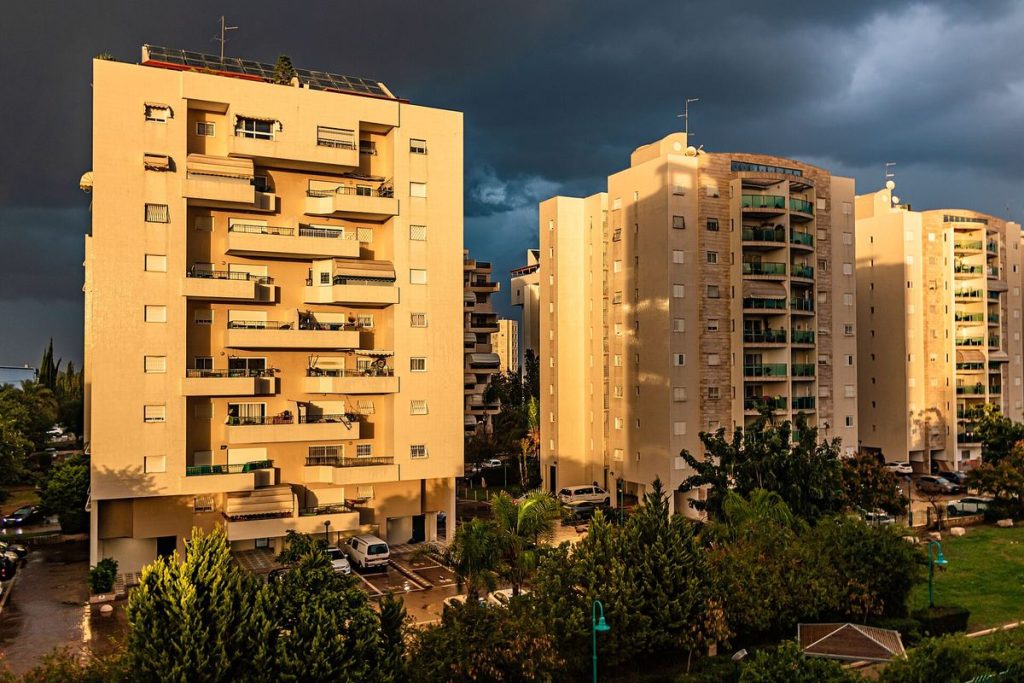
An heir cannot sell an inherited apartment in Israel alone. Joint ownership requires the consent of all heirs for any real estate transaction. Without unanimous agreement or a specific court order, the sale is legally impossible. This blockage protects each person’s rights, but it can paralyze the transfer if the family cannot reach an agreement.
Quick answer: Selling an inherited apartment in Israel requires a specific legal process to transfer ownership before the sale can proceed. You must obtain a court order for inheritance or a notarized agreement among all heirs to establish clear title. Consulting a specialist real estate lawyer is essential to navigate these requirements and ensure a compliant transaction.
The legal blockage: joint ownership and the Tabu
Under Israeli law, an estate creates a joint tenancy. The property does not belong to a specific heir, but to all heirs proportionally based on their shares. This legal structure is strict. Unlike in the United States, where mechanisms for forced partition can be initiated more easily by one party, here the consent of all title holders is an absolute prerequisite for the transfer.
The tabou, the centralized land registry, only allows the registration of a sale if the signatures of all co-owners are present. A notary or real estate agent cannot bypass this rule. If a single heir refuses to sign, the transaction is blocked, even if the others hold the majority of the shares. There is no simple administrative procedure to force a unilateral sale.
This rigidity has immediate practical consequences. An heir who wishes to sell alone cannot sign a valid purchase agreement. Any private agreement between a minority party and a buyer is unenforceable against the other heirs and transfers no real rights. The risk for the buyer is total: they could pay without obtaining ownership. For an overseas owner, this means the first step is not finding a buyer, but verifying the exact composition of the joint tenancy and obtaining the written agreement of each person involved.
The weight of the Tsav Yerusha on the ability to sell
Before discussing price, you must establish who has the right to sell. The fundamental document is the tsav yerusha, the succession order issued by the family court. This document certifies the identity of the legal heirs and the distribution of their shares. Without this paper, no Israeli bank will lend to the buyer, and no notary will close the transaction.
The difference with the United States is significant. In the US, a notary or attorney can often establish the succession with a simple affidavit. In Israel, the court validates the list. If an heir is a minor, or if an adult heir is absent and cannot sign, the court must appoint a guardian or specific legal representative to act on their behalf. This representative has powers limited to managing the property, not selling it, unless there is explicit judicial authorization.
A common case is the heir residing abroad. If they cannot travel, they must provide a notarized and legalized power of attorney, or authorize a local representative via the tsav yerusha. If one of the heirs has died since the initial owner’s death, their share is integrated into their own estate, further complicating the chain of consent. We always verify the authenticity of the tsav yerusha with the court before listing a property for sale.
Compensation for refusal: recourse to the District Court
When unanimous agreement is impossible, heirs who want to sell can petition the District Court. They request a judicial « forced sale. » The judge does not systematically order the sale. They examine whether the sale is in the interest of all parties or if the joint tenancy has become harmful.
The assessment criteria are concrete. The judge looks at the condition of the property: is it in poor shape and does it require major repairs? Are the heirs unable to agree on maintenance? Is the property value lower than the cumulative management costs? If the property is rented, the judge also examines the stability of the lease.
The reshut ha-misim, the tax authority, is often involved in these proceedings. The judge must ensure that the taxable base for capital gains is correctly calculated. A tax error can impact the decision. If the judge orders the sale, they often set a minimum price or appoint an expert to evaluate it. Compensation for those who refused is calculated based on this value, minus any personal contributions. This process is long and costly, which often encourages families to find an amicable agreement before going to court.
Calculating the price: how to set the value without agreement
The sale price is not negotiated on feelings. It must reflect the current market value. If the heirs do not agree on the amount, the standard method is to engage two accredited experts. Their reports are compared. If the discrepancies are too large, a third expert is appointed to decide.
You must include current charges in the calculation. Unpaid vaad bayit (association dues) and arnona (municipal tax) are deducted from the net price received. If the apartment has debts to the city or the building association, these amounts are subtracted from the sale price before distribution.
A common case is the heir who lived in the apartment. If they paid the charges for years without rent, they may demand compensation. This compensation is calculated based on the market rent they could have received. This calculation is often a source of conflict. You must document the payments made and the work performed. The goal is to arrive at a « net » price that accounts for these elements, to avoid the sale being blocked by discussions over the gross amount.
Distribution of funds: beyond equal shares
Each heir’s share of the sale price is not always equal to their share in the estate. You must distinguish between the hereditary share and personal contributions. If an heir financed major renovations, such as the installation of a doud shemesh (solar water heater) or a new mazgan (air conditioner), they may claim reimbursement of these costs before the split.
The principle of compensation for use also applies. The heir who occupied the property without paying rent must often return a portion of the price as compensation for unpaid use. This amount is calculated based on the market rent during the period of occupation.
To avoid a second dispute over the distribution of funds, it is essential to sign an agreement protocol before the sale. This written document specifies the sale price, the deductions (unpaid charges, work, use), and the net share of each heir. Without this protocol, each heir can challenge the distribution after the deed is signed. We recommend having this protocol validated by an attorney before presenting the property to buyers.
Tax impact: mas shevach and mas rechisha
The sale of an inherited property triggers distinct tax obligations for the buyer and the heirs. The buyer pays the mas rechisha, the real estate purchase tax. The heirs pay the mas shevach, the capital gains tax.
The mas shevach is calculated on the difference between the sale price and the acquisition value by the deceased. This acquisition value is often the cadastral value at the time of death, or the deceased’s initial purchase value, depending on the rules in force. Potential exemptions exist. If the apartment was the deceased’s primary residence and they lived there for a certain period, part of the capital gain may be exempt.
Each heir must declare their share of the gain to the reshut ha-misim. The legal deadline is strict. In case of delay, penalties and interest apply. The declaration is individual. Each heir receives a tax receipt. This document is essential to justify the source of the funds. If the sale is blocked by a dispute, the tax declaration must be deferred, but it remains mandatory once the transaction is finalized.
The buyer’s risk: guarantee of the joint tenancy
The buyer must require proof that all heirs consented to the sale. This proof is the tsav yerusha completed by the signatures of all heirs or their legal representatives. The buyer must also verify that the property is not encumbered by mortgages or tax debts.
If the joint tenancy is disputed, the buyer takes a huge risk. They could end up paying for a property they cannot register. To protect the buyer, we require title insurance in most transactions involving an estate. This insurance covers the risks of hidden defects or challenges to ownership.
If the apartment is rented, the buyer must know that the lease survives the sale. They become the new landlord. They must verify the validity of the lease and the tenant’s rights. The tenant has the right to remain in the premises until the end of the lease. The buyer must therefore accept this situation. If the tenant is an heir, the situation is more complex. You must verify if the lease complies with Israeli laws on residential leasing.
After the signature: management and key handover
Once the deed is signed and registered at the tabou, the question of property management arises immediately. Who receives the keys? Who handles the restoration? Who finds the tenant?
If the property is sold empty, the buyer takes immediate possession. But if the property is rented, the buyer inherits the lease. They must contact the tenant to announce the change of ownership. If the property is empty and the heirs wish to rent it before the sale to generate income, this transition period must be managed by a professional.
The Friday evening problem often arises. A pipe bursts, the mamak (protected common space) is flooded, or the mamad (secure room) has a defect. Who responds? If the heirs are scattered around the world, no one can react quickly. This is where property management intervenes. We manage the relationship with the tenant, urgent repairs, and rent collection. For an overseas owner, this continuity of service is essential. our property management ensures this local interface, guaranteeing that the property is maintained and that income is received, even in the physical absence of the owners.
To go further: invest in Israel, Heir lives in a rented apartment: what to do in Israel?, Selling a rented apartment in Israel: the lease survives the sale.
Before selling an inherited property, verify the existence of the tsav yerusha and the agreement of all heirs. If the joint tenancy is disputed, consult an attorney specializing in Israeli real estate law. Do not sign any purchase agreement without a condition precedent clause linked to the unanimous agreement of the co-owners.
Frequently asked questions
Can an heir sell an inherited property without the other heirs?
Generally, no. All legal heirs must agree to the sale and sign the necessary documents. If one heir refuses, the property may need to be divided through a court process, which can delay or complicate the sale.
What is the first step to sell an inherited apartment?
The first step is to secure legal proof of inheritance. This usually involves obtaining a court order or a notarized inheritance agreement that officially transfers the ownership rights from the deceased to the heirs.
How long does the process of selling inherited property take?
The timeline varies significantly depending on the number of heirs and whether there are disputes. If all parties agree, the process can be relatively quick. However, if court intervention is required, it may take several months or even longer.
Do I need a lawyer to sell an inherited property in Israel?
Yes, it is highly recommended. A lawyer specializing in real estate and inheritance law will ensure that all legal documents are correct, that the title is clear, and that the transaction complies with Israeli regulations.

Gestion locative en Israël pour propriétaires francophones. Bureaux à Netanya, 26 Dizengoff. Une question sur votre bien ? Écrivez-nous.