Delegating Rental Management in Israel: Power of Attorney and Proxy
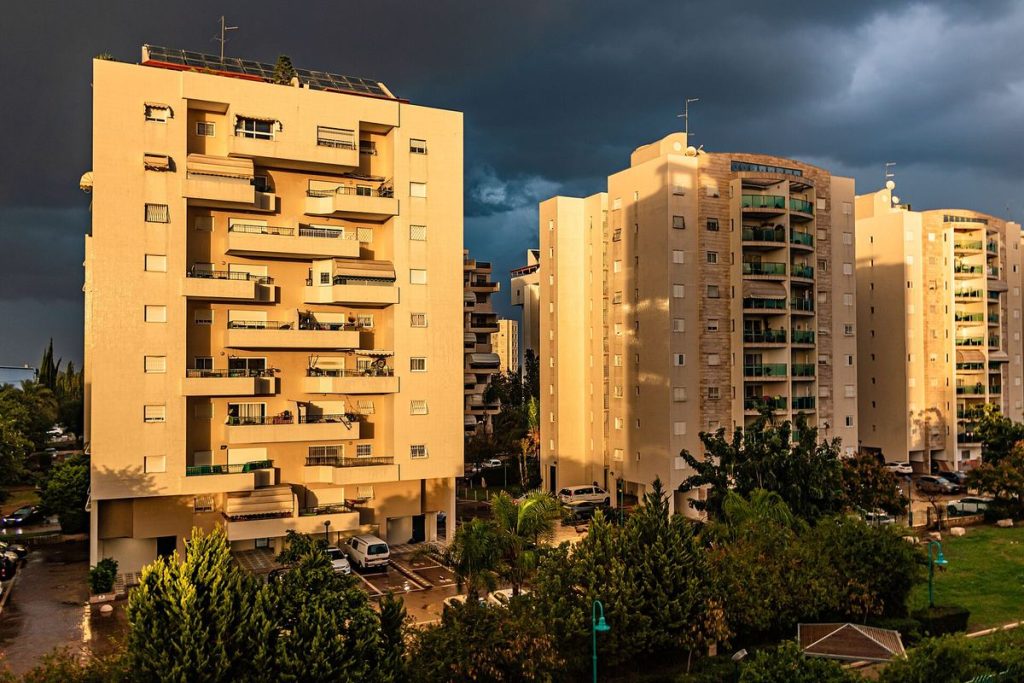
Delegating the management of a property in Israel requires appointing a representative capable of acting legally on your behalf with local authorities. This delegation relies on a specific power of attorney that allows for the management of taxes, maintenance contracts, and tenant relations without your physical presence. You must distinguish between the agent who executes the transaction and the manager who ensures daily technical and administrative follow-up.
Selecting a representative and establishing power of attorney
The first step is to differentiate between the real estate agent, whose mission often ends at the signing of the lease, and the property manager. For an owner residing abroad, the manager ensures the continuity of the property’s operation. We proceed with the drafting of a power of attorney (Poaka) that precisely defines the scope of their authority. Without this document, the representative cannot act autonomously for routine administrative procedures.
This power of attorney must allow the manager to intervene with the reshut ha-misim regarding tax matters and with the municipality for tax management. We include financial intervention thresholds in this mandate for emergency repairs. For example, the manager can independently decide to repair a broken mazgan or a problem with the doud shemesh if the cost does not exceed a pre-agreed amount. This prevents stagnation in the event of a breakdown during a weekend.
The transmission of documents is a critical point for the validity of legal acts. We require the secure transmission of copies of your teoudat zeout and property titles extracted from the tabou. These elements constitute the foundation of the management file. An incomplete file prevents any rapid legal action in the event of a dispute with a third party or a tenant.
- Verification of the representative’s legal capacity to sign maintenance contracts.
- Definition of spending limits for immediate technical interventions.
- Establishment of a communication protocol for equipment emergencies.
- Collection of property titles from the tabou to prove ownership status.
Securing the lease and local payment guarantees
In Israel, the guarantee system differs radically from models used in other countries. There is no rent default insurance that covers the risk of a tenant failing to pay. Security relies on the strength of the arev (the guarantor) file and the signing of a shtar ’hov. The shtar ’hov is a promissory note by which the tenant and their guarantor commit to paying a specific sum in case of default. This document is not an immediate payment, but a recognition of debt that allows for collection proceedings to be initiated.
We verify the solvency of the arev by requesting their income documentation and teoudat zeout. The construction of the tenant file must be exhaustive to limit the risk of non-payment. We also check the validity of the identity documents of each occupant. An incomplete file is a major risk for an investor who wishes to invest in Israel with peace of mind.
The lease agreement must imperatively include an indexation clause. Unlike in some other countries, rent in Israel is adjusted periodically according to the cost-of-living index. This clause allows the real value of the rent received to be maintained against local inflation. We integrate this calculation method directly into the lease templates we use to protect the owner’s yield.
| Guarantee Element | Legal Nature | Practical Role |
|---|---|---|
| shtar ’hov | Recognition of debt | Allows for claiming a specific sum in case of non-payment. |
| arev | Personal guarantor | Ensures financial responsibility in addition to the tenant. |
| Indexation | Contractual clause | Adjusts rent according to the cost-of-living index. |
Transferring responsibility for charges and taxes
Remote management requires separating the responsibility for public payments from the owner’s name to avoid the accumulation of debt. The first item concerns the arnona, the municipal tax. If the tenant does not pay the arnona, the municipality will turn to the owner. We implement payment monitoring to ensure the tenant settles this tax with the municipality. This requires constant coordination between the tenant, the manager, and municipal services.
Next, we manage the fund calls from the vaad bayit. These condominium charges cover the maintenance of common areas, the elevator, and the cleanliness of the building. A failure to pay the vaad bayit can lead to disputes with the building management and harm the property’s reputation. We verify that receipts are properly issued and that condominium accounts are up to date.
Monitoring water and electricity consumption is also a routine management task. In Israel, billing methods vary by region and provider. We monitor bills to detect any anomaly or service interruption that could impact tenant comfort. Finally, we apply a strict allocation of maintenance costs: the tenant is responsible for repairs related to daily use, while the owner assumes structural repairs or those related to the aging of equipment.
Organizing the inspection and technical maintenance
To avoid disputes when a tenant moves out, we organize a bedek bayit before move-in. This is a building inspection performed by a professional. While not a legal obligation, it is an essential practice to document the initial state of the installations. This inspection allows for precise documentation of the condition of plumbing, electricity, and woodwork. We keep this report as technical proof in case of later damage.
Particular attention is paid to the mamad, the apartment’s secure room. Its compliance and sealing must be verified, as it is a major structural element of the home. We also check the proper functioning of the doud shemesh (solar water heater) and the mazgan (air conditioner). These pieces of equipment are subject to intensive use in Israel and require regular maintenance to avoid costly breakdowns.
We create a digital maintenance log for each property. This document lists the dates of technician interventions and equipment references. When a repair is necessary, we bring in a professional to perform the work. We do not merely pass on a request; we verify the completion of the service and the accuracy of the invoice before closing the intervention. This follow-up is crucial for property management in Netanya: specificities and property maintenance.
Managing taxation and reporting obligations remotely
Managing a property in Israel involves reporting obligations to the reshut ha-misim. The owner must declare rental income for the calculation of mas hachnasa (income tax). To ensure this calculation is accurate, we collect and organize all supporting documents for deductible expenses: management fees, taxes, repairs, and loan interest. Without these documents, the owner risks paying tax on gross income, which penalizes profitability.
We also prepare the necessary elements for the mas shevach declaration. This capital gains tax is due upon the resale of the property. Rigorous management of expenses related to maintenance and property improvements throughout the holding period allows for the creation of a solid file to reduce the tax base at the time of the final transaction. We clearly distinguish rental income from other taxable income in Israel to avoid any confusion in tax filings.
The monitoring of withholding taxes or income declarations depends on the owner’s tax status (resident or non-resident). We ensure that financial flows between the tenant, the manager, and the owner comply with reshut ha-misim rules. To understand the terms of remuneration for these services, you can consult our article on Property management in Israel: prices and fee structure.
Anticipating transfer and estate management
Property management can be complexly affected by estate events. If the owner passes away, the management of the property is impacted by the presence or absence of a tzava’a (will). A will facilitates the designation of persons authorized to manage the property, but it does not replace legal property transfer procedures. In the absence of a will, management may be suspended while waiting for the issuance of a tsav yerusha by the family court.
The tsav yerusha is the essential succession order for the manager to recognize the new owners. Until this document is produced, the representative may find themselves in a legal gray area regarding the signing of new leases or the execution of major works. We manage properties that are part of an ongoing yerusha by maintaining prudent management and isolating rental funds in secure accounts.
We perform regular updates of the heirs’ contact information in the management file. This allows for fluid communication with the beneficiaries, even during the legal transition period. This anticipation prevents the property from being left without an effective manager or a legal contact during months of judicial proceedings.
Once the property deed is signed, operational management begins immediately. The manager collects the keys, organizes the tenant’s move-in, and performs the first bedek bayit. If a pipe bursts on a Friday evening, it is the manager who contacts technical emergency services and coordinates the intervention, without you having to intervene from abroad. To delegate all these tasks, consult our property management services.

Gestion locative en Israël pour propriétaires francophones. Bureaux à Netanya, 26 Dizengoff. Une question sur votre bien ? Écrivez-nous.